
Some of the strongest relationships a person can have throughout a lifetime are those with their siblings. It doesn’t necessarily mean the trip is easy just because something endures. In the same way that only a parent can love their child, you can only love your sibling(s) in the same way.
In this article, we’ll dive into activities to help siblings get along.
Sibling Conflict: Is It Common?
Siblings fight, and if you were fortunate enough to have one growing up, you already know this. Sibling rivalry is a typical stage of development. Furthermore, healthy levels of sibling rivalry can be advantageous for them. Conflict between siblings is common, but how can you ensure that it stays within your siblings? It’s not simple, but it is possible. Continue reading to learn the amazing activities to help siblings get along including the one parenting technique that could make a difference!
Why Is It Important To Have Siblings Relationships?

Relationships between siblings form a crucial component of the family. Siblings can rely on one another for support just as parents and other caregivers can. You will reap the rewards for years to come if you can manage to cultivate a good relationship with your siblings with activities to help siblings get along. The following are some of the ways siblings can influence one another during their formative years, according to a 2012 study on sibling relationships and their impact on childhood and adolescence:
Development:
Siblings influence a child’s social, cognitive, and emotional development by serving as role models, social companions, and rivals.
Friendship:
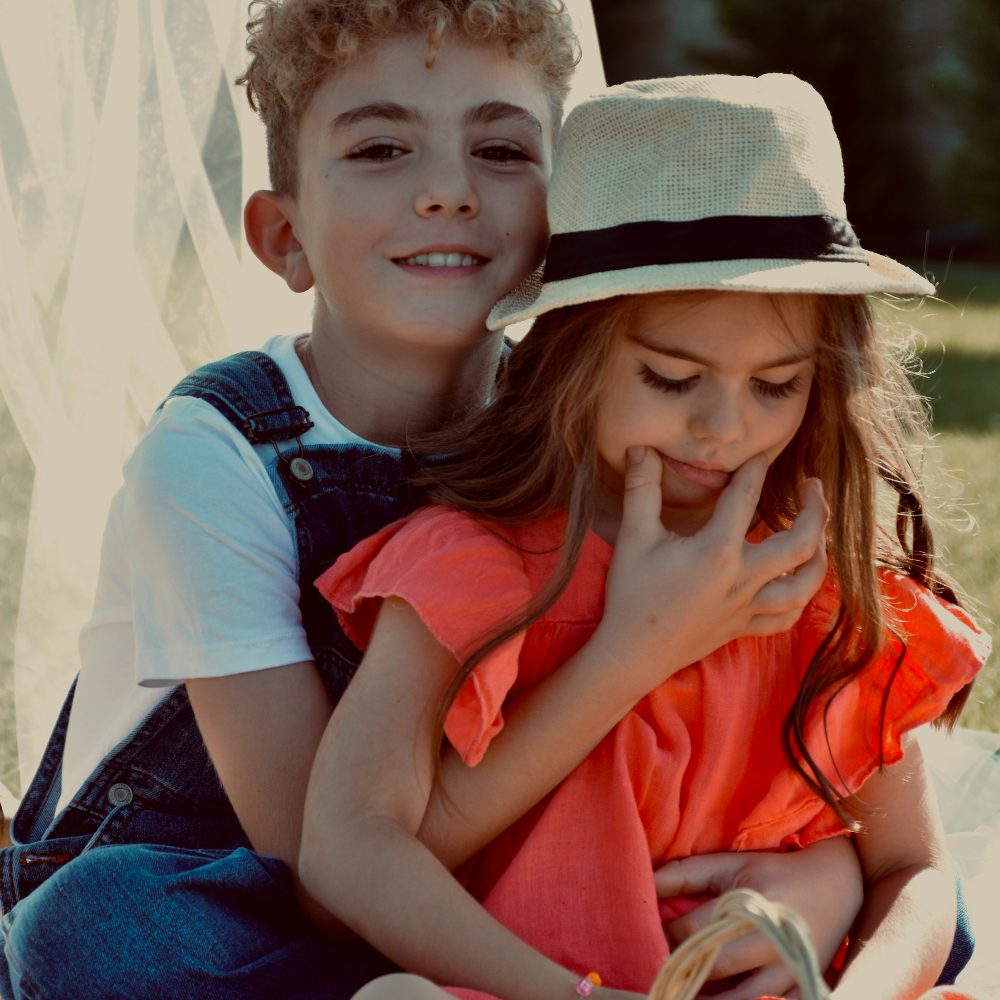
Our siblings provide us the chance to learn what to appreciate in others and activities to help siblings get along help foster strong relationships. Close encouraging siblings can act as a built-in support system for some of life’s most challenging situation
Emotional Control:
By acting as one another’s practice partners, siblings can teach one another how to control their emotions. Kids can practice handling situations like aggressiveness with activities to help siblings get along before they encounter it in the real world on a safer training ground—their own homes.
Identity:
Siblings frequently adopt (or reject) the habits and passions of their parents and other siblings. The psychology of sibling relationships and how siblings define themselves about one another aid in developing individual identities.
When To Be Alarmed When Siblings Fight
However, how do you stop the arguments between siblings when they get out of hand? When is it OK to request more help? Parents and caregivers are frequently advised to let siblings settle their disputes whenever possible. However, it may be necessary to pay extra attention if sibling disputes frequently interfere with activities to help siblings get along. Here are several indicators that the situation is becoming dangerous:
–Fighting occurs everywhere; it’s common for siblings to fight nonstop, fiercely, and for extended periods. The fights also occur in the community, at school, and home.
–Conflict between siblings seems to either induce or exacerbate mental health problems including anxiety, depression, or violence.
–Your concern on sibling abuse is sibling rivalry that is mildly joking, mocking, or aggressive can be addressed with activities to help siblings get along to keep things from getting out of hand. However, it is seen as sibling abuse when siblings bully each other (repeated, cruel mocking that is emotionally draining), attack each other (kicking, biting, punching, or injuring with weapons), or violate physical boundaries in other ways (sexual assault).
–To deal with suspected abuse among siblings, caregivers should get assistance right away.
–Estrangement: When a disagreement becomes so severe that the relationship is completely severed, it is cause for concern. Sibling estrangement is uncommon in children, but when it does happen, parents and other adults must take action with activities to help siblings get along.
Amazing Activities To Help Siblings Get Along
You will not only stop conflict from getting worse by encouraging the ideal family structure, routines, and activities to help siblings get along that combine sensible limits with enjoyable opportunities for bonding, but you will also bring your family closer as a result. Your kids will be pleading for more time together before you know it! With these techniques, your family’s sibling relationships will quickly improve. Continue reading to learn about activities to help siblings get along.
1. Identify Sibling Conflict To Effectively Manage It
Quickly assess the severity of your children’s disputes. Stay out of minor to moderate conflicts. Give your children the opportunity to settle their conflicts on their own. However, it could be necessary to intervene if the altercation becomes more serious with activities to help siblings get along.
2. Encourage Sibling Bonding Time By Their Very Nature, Siblings Don’t Always Want To Spend Time Together.
Parents must instill this bond and establish the tone for their children. Designate a weekday specifically for activities to help siblings get along. Make it special; parents are not permitted. Start a fun custom like a kids-only movie night, a sibling scavenger hunt, or a play that they develop and perform for the rest of the family (or if you’re scared, maybe parents sit nearby).
3. Put Quality First Individual Time
Set aside regular, unique times to spend with each child separately. Although it may seem counterintuitive to the idea of sibling bonding, giving each child some particular time reserved only for them makes room for more constructive sibling connection. When they get plenty of your attention, they don’t require as much rivalry and competition. You might be amazed at how much respect your children have for one-on-one time with their parents, even when it’s not their turn.
4. Apply Fair (But Not Equal) Rules
“Life’s Not Fair” was my mother’s catchphrase when I was a child, and I could have sworn she said it all the time. As a child, I detested it, but as an adult, I realized that my mother was usually right about most things. Fairness and equality don’t always provide the desired results. Giving your children the same treatment can be more detrimental than helpful.
They might receive the same care, but it’s doubtful they’ll get what they require. Every child is unique, and each developmental stage is accompanied by a unique set of needs. Make rules, penalties, and expectations specific to the requirements of each child. By doing so, you can ensure that your kids are prepared for success and that they take responsibility for their actions. As an illustration, you might mandate that your 17-year-old daughter perform her laundry as part of her chore duties.
5. Keep In Mind That Everyone Plays A Part
You must keep in mind that every youngster contributes to any unfavorable interaction. A 5-year-old is not necessarily completely innocent just because his 10-year-old sister who just yelled at him is younger than him.
6. Define Sensible Boundaries
Clearly define the emotional, social, and physical boundaries between your children early on. When someone engages in teasing or bad interactions, step in as soon as they do so for the first time. Kids can then see where the line is drawn. Everyone needs to have a private, secure environment where they may feel safe. When it becomes apparent that the children are no longer capable of making their own decisions, use separation.
7. Turn Teamwork Into A Reality
Put your children on a team whenever it’s feasible with activities to help siblings get along. Pitting children against parents typically fosters positive relationships between siblings, even if it means you have to play on a team by yourself.
8. Teach Win-Win Solutions Through Negotiation
Start by respecting the disagreement. Children are only encouraged to dig in, escalate, or strengthen their stance when parents downplay the importance of the issue they are arguing over. Verify the cause of their angst to alleviate the issue. They will advance as a result of this. Remember that every behavior has a cause, even if the child isn’t aware of it, as you model it for the youngster.
Kids learn how to solve problems more quickly when you assist them in sharing and communicating the initial source of their annoyance. They learn empathy from this as well. They are more equipped to propose win-win solutions after they can understand their brother’s or sister’s point of view. Encourage your children to choose original solutions to problems so that everyone receives assistance.
9. Avoid Picking Favorites
Most parents, according to research, have a favorite child, but try your best not to let that show. Your children will feel more secure the more you avoid showing preference. Also, resist the need to compare your children to other children. Although you can be sure it won’t make your kid behave better, asking him “Why can’t you sit still and be quiet like your sister?” will make him grow to dislike his sister.
When dealing with undesirable habits and sibling conflict, be direct and concise while avoiding taking sides. Your children mustn’t feel they are being treated differently to foster a positive relationship with their siblings. Resentment will contaminate the sibling bond well in no time.”Put Your Children in the Same Boat” is a potent strategy that some professionals recommend. Offer both kids a recommendation when you witness a sibling quarrel and feel the need to intervene. For instance, suggest a remedy by stating something like, “Would you both like to take some time in your cool down spaces?” without assuming the role of judge and jury over who was at fault.
10. Keep Calm And Carry On
When kids get into an argument, things can get out of hand quickly because their developing brains are not equipped to handle intense emotions. They frequently lose their cool faster than makes sense to us parents. Take a moment to appraise the circumstance, collect your thoughts, and inhale deeply as necessary. Just pause for 30 seconds to gather your thoughts and formulate your strategy. By maintaining your composure, you’ll have a better chance of successfully managing the disagreement and de-escalating the issue.
11. Encourage Collaboration Despite Discord
A therapeutic dad I know once said to me that his best parenting technique was to force his children to cooperate while they were engaged in conflict. whenever his son and daughter would come running, crying out some version of how their sibling had wronged them and ready to tattle on the other. Naturally, they were best portrayed in their version.
Activities To Help Siblings Get Along
There are so many enjoyable techniques to encourage sibling bonding that can develop a good relationship between siblings and make it easier for them to get along. The below-listed activities to help siblings get along are simple to carry out and your kids will adore them. These are some of my favorite activities to help siblings get along that you can do together, according to this list.
NOTE: A few of these activities to help siblings get along make excellent sibling therapy exercises and can be utilized in therapy sessions.
1. Family Movie Night
What family member doesn’t like a good movie night? Give your children a special treat by allowing them to go to the movies with their siblings on their own. Create a unique movie experience as activities to help siblings get along, complete with snacks, comfortable chairs, and a private “screening room.”
Pick a title out of a hat or plan many movie nights so that everyone gets a chance to choose to prevent arguments about the film to watch. You can host a theme night to make it even more entertaining. Decorate for a Disney double feature with lovely elements. Let them put on their preferred Marvel superhero costume. Or simply allow the Force to be with them and spend the entire day watching Star Wars.
2. Artistic Family Collages
Give your kids some old magazines, and a large piece of poster board, and instruct them to make the best collage ever! Suggest a subject, such as “Why Our Family is the Best” or “What Makes Having a Sibling So Fun.” Offer to hang their creation on the wall when they are finished.
3. Go On A House Scavenger Hunt
For your activities to help siblings get along, set up a scavenger hunt with everyday objects. Put them in groups so that they can cooperate to locate a list of household items that you have previously hidden about the house. Make sure to consider your children’s varying ages on activities to help siblings get along so that they can all find the goods to some degree. To make sure they are cooperating, you might even assign an older child to assist a younger one in finding some items.
4. Family Game 🌃
Plan an exclusive family game night for the kids as activities to help siblings get along. Even while the thought of playing board games will likely be enough to get your kids to the table, you can make it extra memorable by preparing entertaining snacks and embellishing the gaming area. Playing cooperative games with the kids is a great example of activities to help siblings get along, so be sure to surprise them with some goodies at the end of each game. The “Most Encouraging Gamers Award” or the “Best Teamwork Ever Award” are just a couple of the ridiculous prizes you may invent to give to everyone.
Additionally
Here’s another example of activities to help siblings get along that could change things. This therapist/parent would dismiss their arguments and give them the following straightforward assignment:
“Leave and don’t return until you both concur on what happened,” Say
The concept was that they would both face consequences if they couldn’t agree on what happened (or who was the more accountable side). The tactic spared the parent from having to play detective while also encouraging them to cooperate. He didn’t care whether they gave a true account of their battle at the end of the day.
After all, he wasn’t present to witness it and would never be able to confirm what occurred. His strategy for intervention was to inspire cooperation and consensus among his kids. He discovered that they frequently told the truth, even if it meant that one of them would suffer a penalty. (I know, he spied on them to check the veracity of their story.) His children would return to him repeatedly, carrying a single shared tale and prepared to face the consequences.

Leave a Reply
You must be logged in to post a comment.