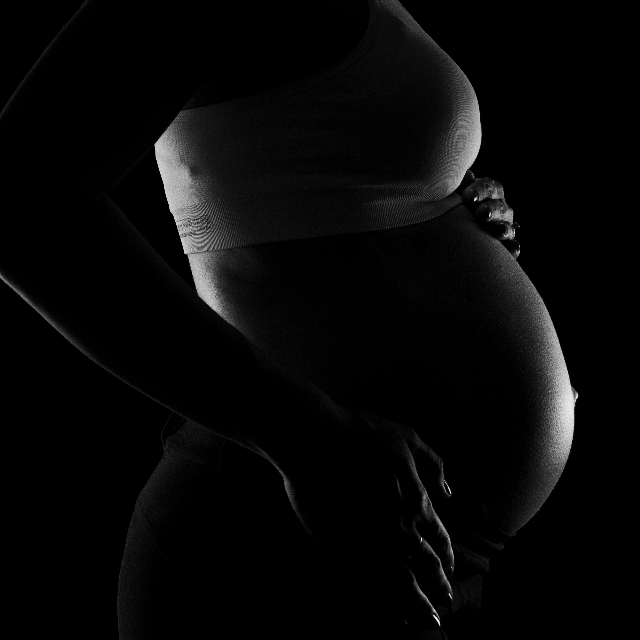
During pregnancy, many women expect their breasts to leak as a sign of preparing for breastfeeding. But what if my breasts do not leak during pregnancy? It’s important to know that this is completely normal and not a cause for concern. Every woman’s body reacts differently to pregnancy, and the absence of leaking does not necessarily indicate a problem with milk production or breastfeeding capability.
Leaking breasts during pregnancy typically occurs due to the production of colostrum, the first form of milk your body makes. Some women may experience this early, while others may not see any leakage until after their baby is born. It’s essential to understand that the presence or absence of leaking is not a reliable indicator of your body’s ability to produce milk for your baby.
If you are worried about not leaking, focus instead on other signs that your body is preparing for breastfeeding, such as breast tenderness, growth, and changes in the nipple and areola. Additionally, consult with your healthcare provider or a lactation consultant if you have concerns about breastfeeding or milk production.
In this article, we’ll explore why some women do not leak during pregnancy and provide reassuring information to help you understand this aspect of your pregnancy journey
What If My Breasts Do Not Leak During Pregnancy?

What if my breasts do not leak during pregnancy? – Many women worry about this, but it’s entirely normal. Is it common? – Yes, it is. Leaking or not leaking varies among women. It is a frequent concern, but it doesn’t affect your ability to produce milk. Focus on other signs like breast tenderness and growth. Consult your healthcare provider for reassurance.
When Do Breasts Leak While Carrying A Baby?
According to research, nipple discharge—also known as colostrum or fetal discharge—during the last few weeks or third trimester of pregnancy is thought to be completely normal. However, breast milk production in pregnancy starts before the breasts start to leak milk. The first trimester is often when the production starts. A woman’s breasts leaking milk shortly after giving birth and while she is breastfeeding is also frequently not a cause for alarm.
What Leads To Breasts Leaking During Pregnancy?
All expectant mothers should be aware that breast milk leakage is totally normal and typically not a cause for concern. During pregnancy, specific circumstances lead to this nipple discharge. The hormones at play are the cause of breast leakage during pregnancy, whether it is clear fluid or fluid that looks more like milk. The hormones estrogen, progesterone, and prolactin prevent you from actively manufacturing much lactose up until the time of delivery. According to studies, prolactin and oxytocin are the hormones responsible for nipple discharge (first colostrum, then breast milk). When the breasts are aroused during sex or if they are brushed against your bra when exercising or engaging in another strenuous activity, the likelihood of leakage increases.
Breast Leaking In The Second Trimester Of Pregnancy
As estrogen levels rise in the second trimester of pregnancy, breast leakage is frequent. As the milk ducts grow, your breasts will inevitably feel heavy or full. During your second trimester of pregnancy, you can start seeing leaking breasts. This is due to the fact that your breasts will start to generate colostrum, the precursor of breast milk. You might not be aware that your body is producing colostrum at this time, or you might start to suffer breast milk leakage. Checking to see whether any colostrum is coming out is acceptable, but avoid overstimulating the nipple as this could result in preterm labor.
Third Trimester Breast Leaking With Pregnancy
Proteins, immunoglobulins, and antibodies are abundant in colostrum. It will assist the infant pass its first meconium feces and shield it from contagious infections. It is the ideal food for a newborn’s first few days since it is easily digestible and has the ideal ratio of nutrients. By the time you give birth, the colostrum will probably be light in color or clear. During pregnancy and for a few days after delivery, it will continue to leak from the nipple before changing into mature breast milk. Pick up a few nursing pads for the time being to absorb the milk; no one will notice.
Does Breast Milk During Pregnancy Mean Something Is Wrong?

According to study, pregnant women’s breasts experience some important physiological changes throughout pregnancy. Hormones are primarily to blame for these alterations. Usually, the changes are normal and not always a symptom of concern. It just so happens that pregnancy may not be the only reason for the changes in your breasts that you experienced during (or were able to witness throughout) pregnancy. They may occasionally be a sign of some underlying benign tumors. It is strongly important that you communicate with your gynecologist frequently and go over any physical changes you see. Do not assume that your changes are ‘normal’ ones brought on by pregnancy.
Female Breast Discharge And Hormones
When it comes to breast discharge during pregnancy, hormones are involved. When a woman is pregnant, hormones significantly influence the amount of milk that is released. Although right after birth is when colostrum is most likely to be produced, some pregnant women may also do so. This early production is frequently a result of the body’s hormonal fluctuations. However, pregnancy is not always a factor in cases of milk leakage or breast discharge.
There may be more factors, such as:
thyroid issues and hormone-related disorders, such as polycystic ovary syndrome (PCOS), in persons who take medications, such as contraceptive pills or antidepressants. during sex, in reaction to the nipple or breast stimulation when taking a hot shower.
Normal release typically does not point to an issue. However, if the pattern of discharge changes or if discharge starts spontaneously, it may indicate an infection or other major issue.
How To Prevent Breast Bleeding
It’s not always possible to stop breast discharge. Some advantageous choices consist of:
–Refusing to stimulate your breasts
–Taking warm baths and squeezing the boobs
–Nurse your baby more frequently if you see an odd discharge in your milk or think a duct is clogging.
What Circumstances Call For Medical Advice?
Doctors should be consulted by women:
–Whenever a woman has breast pain, enlargement, or alteration
–If a person noticed a breast lump
–Too much work goes into breastfeeding.
–Not by itself does the red or bloody discharge go away.
What Age Do Women First Start Making Milk?
When do women start producing milk cannot be answered with a precise or appropriate response. While the production of colostrum should start as early as the 16th week of pregnancy and shortly after delivery, there are considerable differences between its presence and concentration in the newborn. This is due to the fact that while both breast milk and colostrum are essential for your baby’s health and development, colostrum, also known as “first milk,” serves a different role for your infant. While most newborns lose weight, moms should be aware that expressing modest amounts of milk just after delivery is common.
In A Nutshell: Is Breast Leakage Normal During Pregnancy?
Breast or “boob” leakage is regarded as a usual pregnancy symptom during the third trimester. Visit a gynecologist right away if you observe a persistent leak or if the liquid has a concerning color.
Frequently Asked Questions
When Do Pregnant Women Start Leaking Milk?
While the body begins to produce colostrum during the first trimester of pregnancy, breast milk does not often start to leak until much later in the pregnancy, if at all. So when does milk begin to flow during pregnancy? The hormone that affects milk production after your baby is born is called prolactin. During the third trimester, it starts to rise. When you’re pregnant, especially early on, breast milk production isn’t very high. High levels of the hormones progesterone and estrogen, which regulate the production of milk, are to blame for this. If prolactin levels slightly exceed those of progesterone and estrogen, some colostrum may flow out.
Why Does Milk Leak When A Woman Is Pregnant?
Your body is making every effort during pregnancy to get ready for the impending delivery of your child. Your breasts are prepared to feed your baby if they arrive earlier than expected when your second trimester comes to a finish and your third trimester starts. When your baby is delivered, the colostrum your body is generating will be “on tap.” Sometimes it might leak even before the baby is born. Why some people leak more colostrum than others is unclear. Colostrum can leak from your nipples without you seeing it until you discover yellowish streaks or dried-up colostrum flecks there. There is typically not much liquid present.
It’s crucial to understand that leaking colostrum during pregnancy doesn’t necessarily indicate that you’ll produce an excessive amount of milk after giving birth. And not having a milk leak while pregnant does not indicate that you will have less milk after the baby is born. While every person’s body is unique, some simply seem to leak more milk than others, both during and after pregnancy.
How Soon Does Milk Start To Leak From Your Breast While You Are Pregnant?
For the majority of pregnant women, discharge from the nipple begins sometime in the third trimester. However, keep in mind that some expectant women might not even have to deal with breast leakage at all!
Breast Leakage During Pregnancy: A Labor Sign?
During pregnancy, leaking breast milk is totally natural and typically has little to do with the beginnings of labor. Breast milk leakage during the final few weeks of pregnancy is a sign that your hormones are finishing the final round of preparations for the baby’s arrival.
Is Breast Squeezing Allowed While Pregnant?
When it is advised for pregnant women to collect colostrum, they typically “express” the first few drops of fluid by manually awakening their breasts rather than utilizing a breast pump. Women may gather nothing, a few drops, a tablespoon, or even more.
By stimulating their breasts and expressing milk during pregnancy, women could cause frequent uterine contractions and give birth before due date. This is due to the hormone oxytocin, which is involved in milk let-down and womb constriction, being increased by breast stimulation. Therefore, it is advised that pregnant women who need a cesarean delivery refrain from expressing themselves.
Can My Wife Breastfeed While Pregnant?
It’s normal to worry about your partner breastfeeding. For instance, if your partner breastfeeds as well, you can estimate if you’ll have enough breast milk to nurse your child, especially if you have trouble producing enough milk. The increased arousal, however, may actually encourage you to create more breast milk. To make sure your baby has a balanced diet and adequate water, you can feed them before engaging in sexual activity with your partner.
Are Leaky Breasts A Sign Of Impending Labor?
Breast leaking during pregnancy—is it an indication of labor? Colostrum leakage frequently starts a few weeks before labor. However, this does not always mean that labor is about to start. Some pregnant women start producing colostrum as early as 16 weeks during the pregnancy, while some may never have a leaky bosom.
What Should You Do If Your Breast Milk Spills When You’re Pregnant?
Do not become alarmed if you experience some milk leakage while pregnant. It could surprise you, especially if you weren’t aware that this was a usual pregnancy occurrence, but it’s common and occurs frequently. You could be worried about what’s happening, though. You can be concerned that you don’t have enough or that milk is leaking.
When To Seek Medical Attention If A Pregnant Woman’s Milk Is Leaking
–Yellow, orange, or red breast milk leaking during pregnancy are possible.
If you roll or squeeze your areola, this milk can spill on its own.
–On your clothes or bra, you can discover stains or dried flakes. Also possible are flakes on your nipples. Everything there is typical throughout pregnancy.
However, you should discuss some breast changes with your healthcare provider. Inform your doctor or midwife if you see blood dripping or staining your clothing from your breasts. According to study from 2020, you might sporadically exhibit breast cancer symptoms while you’re pregnant. The symptoms listed by ACOG include:
Breast skin blisters that are heated, red, and puffed out (ulcers)
The nipple skin is continuously scaling or crusting; this is distinct from crusted milk, which can be rubbed off.
Variations In Nipple Form
However, the majority of breast changes, including as enlargement, tenderness, areola darkening, and milk leaking, are typical of pregnancy and not alarming.
Lastly
The quantity of leakage you experience—or whether you have any leakage at all—does not predict how much milk you will produce once your child is born. When it comes to leaking milk during pregnancy, every person is unique. You should speak with your OB-GYN, a midwife, or a lactation consultant if you have any questions or concerns about what is happening.

Leave a Reply
You must be logged in to post a comment.