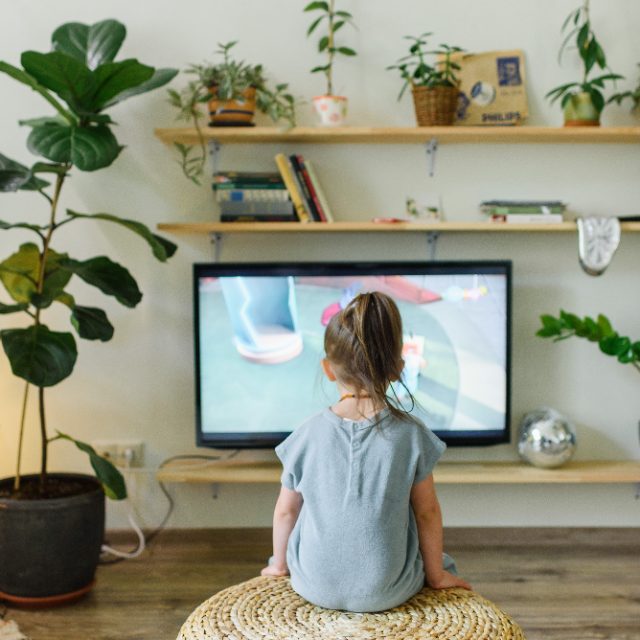
SCREEN-FREE PARENTING – Children are growing up surrounded by screens in today’s digital world. Technology is everywhere, from smartphones to tablets and laptops, and it’s not uncommon to find young toddlers addicted to screens for hours on end.
While technology has its advantages, many parents are concerned about the effects of excessive screen time on their children’s development. As a result, an increasing number of parents are resorting to “screen-free parenting” to limit their children’s screen time and encourage more thoughtful and deliberate use of technology.

In this article, I will look at screen-free parenting, its benefits and drawbacks, as well as techniques for applying it in your own home.
The Concept Of Screen-Free Parenting And What It Is All About
Screen-free parenting is a developing movement among parents who want to minimize their children’s exposure to screens and digital devices while encouraging more aware and intentional technology use.
The idea is to create an atmosphere in which children may participate in meaningful activities and experiences that are not concentrated on screens, such as spending time outside, reading books, playing board games, and engaging in creative and imaginative play.
Screen-free parenting emphasizes the significance of developing physical and cognitive skills, as well as encouraging good habits and routines. The goal is to foster a healthy, deliberate relationship with technology that allows children to grow and develop into well-rounded persons.
The Benefits Of Screen-Free Parenting And Why Parents Are Opting For It
Screen-free parenting has numerous advantages for both children and parents. Here are some of the most compelling reasons why parents are choosing screen-free parenting:
- Improved Social Skills: Screen-free parenting enables children to interact with others in person and develop stronger social skills.
- Enhanced Creativity: When kids aren’t continuously distracted by devices, they have more time to engage in imaginative and creative play, which can help them be more creative.
- Better Sleep: Excessive screen time in children has been linked to sleep problems, and screen-free parenting can help encourage better sleep hygiene.
- Healthier habits: Limiting screen time can assist youngsters in developing better habits such as physical activity, reading, and spending time outside.
- Reduced tension: Because it fosters a more relaxed and attentive approach to daily living, screen-free parenting can help reduce tension and anxiety in both children and parents.
- Strengthened family bonds: Family Bonds Can Be Strengthened: Spending time together as a family without screens can help develop family bonds and foster deeper connections between parents and children.
Overall, screen-free parenting can aid in the development of well-rounded children who are more connected to their families, communities, and the world around them.
Implementing Screen-Free Parenting And Strategies And Tips For Parents
Screen-free parenting might be intimidating at first, especially if your family is accustomed to using devices for pleasure and communication. It is, nevertheless, possible to build a screen-free atmosphere that works for your family with some planning and preparation. Here are some ideas and ways for practicing screen-free parenting:
- Establish explicit Boundaries: Set explicit boundaries surrounding screen time, such as restricting screen time to a set number of hours per day or designating specific times of day for screen use.
- Create Screen-Free Zones: To encourage more face-to-face connection and discussion, designate specific sections of your home, such as the dinner table or bedrooms, as screen-free zones.
- Plan Activities: Plan non-screen activities and outings such as going for a hike, visiting a museum, or playing a board game.
- Encourage Reading: As a screen-free alternative to digital media, encourage your children to read books or listen to audiobooks.
- Model Screen-Free Behavior: It is critical for you as a parent to model screen-free behavior for your children. Set a good example by limiting your own screen time and engaging in non-screen activities.
- Be adaptable: Be willing to change your screen-free plan as needed. Allow for some trial and flexibility to determine what works best for your family.
Parents may create a screen-free environment that encourages healthy behaviors and meaningful connections by applying these methods and tips. Remember that the purpose of screen-free parenting is to encourage more thoughtful and intentional use of technology, not to completely eradicate it.
Mindful And Intentional Screen-Free Parenting And Sticking A Balance
Screen-free parenting entails being mindful and purposeful about how you use technology and devices around your children. To guarantee that your children have a good connection with technology and that it does not interfere with their physical and emotional well-being, you must establish boundaries and restrictions.
Here are some pointers to help you strike a balance and apply thoughtful and purposeful screen-free parenting:
- Set clear boundaries: It’s critical to set clear boundaries for both you and your children when it comes to screen usage. Set aside specified times during the day, such as meal times and before bed, when screens are not permitted. Consider limiting the amount of time your children spend on screens during the day.
- Children learn by watching and mimicking their parents, so it’s critical to model the conduct you want them to emulate. Limit your own screen time in front of your children and engage in other activities such as reading, playing board games, or spending time outside.
- Encourage alternative activities: Encourage your children to participate in non-screen-related activities such as reading, sports, and art projects. Provide them with the opportunity to pursue their interests and hobbies, and encourage them to do so.
- Use technology mindfully: When screens are permitted, utilize them mindfully and intentionally. Select age-appropriate content and limit exposure to violent or unsuitable stuff. Consider utilizing parental controls to prevent your children from accessing inappropriate stuff.
- Be adaptable: As your children grow and mature, you must adapt your approach. Consider their specific demands and tweak your approach to ensure that you are satisfying their needs while still teaching healthy screen habits.
To summarize, thoughtful and deliberate screen-free parenting entails being attentive to your technology use, setting clear boundaries,
leading by example, supporting alternative activities, utilizing technology mindfully, and being flexible. By applying these tactics, you may strike a good balance for your family and promote healthy screen time.
Screen-Free Parenting Activities And Ideas To Keep Them Engaged And Entertained

Here are some screen-free activities and ideas to keep your children engaged and entertained:
Books to read together: Reading books to your children is a fantastic method to stimulate their imaginations
and develop their language skills. You can read aloud to them or they can read on their own.
Board games are an excellent way to educate children on problem-solving skills while also encouraging social engagement. Choose age-appropriate activities and include the entire family in this enjoyable pastime.
Make arts and crafts with your children:
Making arts and crafts with your children may be a fun and interesting way to spend time together.
You can do anything from paper crafts to painting or making jewelry.
Take a nature walk:
Walking in nature is a terrific way to get some fresh air, exercise, and connect with nature. You can point out different trees, flowers, and wildlife to your children and encourage them to ask questions.
Cooking together may be a fun way to teach your children essential life skills while also preparing tasty meals. You can get your kids involved in meal planning, grocery shopping, and dinner preparation.
Build with blocks or Legos:
Building with blocks or Legos is an excellent approach to improving fine motor skills and fostering creativity. Set challenges or themes, or simply allow your children to make whatever they like.
Playing musical instruments is an excellent approach to improving coordination and creativity.
Encourage imaginative play: Imaginative play is critical for the social and emotional development of children. Encourage your children to dress up, pretend, or perform a puppet show.
Scavenger hunts are a fun approach to improving problem-solving and critical-thinking skills. Make a list of items or hints for your children to find around the house or in the garden.
Learning a new skill together may be a wonderful bonding experience. You can learn a new language, knit, code, or any other skill that your family is interested in.
The Role Of Parents In Modeling Screen-Free Parenting And Leading By Example
Parents must set a good example for their children by modeling screen-free parenting. Children learn through seeing and imitating the actions of others around them, particularly their parents.
Parents can help their children to develop healthy screen habits and lessen their reliance on technology by modeling screen-free activities and leading by example. Here are some examples of how parents can model screen-free parenting and set a good example:
Set clear boundaries: Parents can set clear boundaries for their children’s screen time and explain them clearly to them. Parents may model healthy screen behaviors for their children by limiting their own screen time and avoiding the use of screens during meals, family time, and other crucial occasions.
Find other activities: Parents can engage their children in alternate activities that do not involve screens. Outdoor activities, board games, crafts, reading, and cooking are all possibilities.
Be present:
By putting aside their phones and other screens during family time, parents can be present and involved with their children. Parents can exemplify the significance of face-to-face interaction and teach their children that they value their time together by giving their children their undivided attention.
Create screen-free zones in the home: To encourage their children to disconnect and focus on other activities, parents can create screen-free zones in the home, such as the bedroom or dining room.
Finally, parents should be cautious of their screen use and refrain from using devices excessively in front of their children. Parents can show their children that screens are a tool to be used in moderation, rather than a constant distraction, by modeling appropriate screen habits.
Overcoming Resistance To Screen-Free Parenting And Addressing Concerns And Objections
Screen-free parenting can be difficult to execute, particularly if your child is accustomed to spending a significant amount of time on electronic gadgets. Here are some suggestions for dealing with concerns and objections to screen-free parenting:
- Describe the advantages: Help your child realize the benefits of screen-free parenting, such as more time for creative play, higher physical activity, better sleep quality, healthier relationships, and so on.
- Lead by example Children frequently learn by witnessing their parents’ actions. If you’re devoted to screen-free parenting, set a good example by limiting your own screen time and engaging in other activities.
- Encourage alternatives: Provide alternatives to screen time, such as reading, playing outside, creating art, playing board games, or participating in sports.
- Be patient: Children may initially oppose screen-free parenting, particularly if they are accustomed to spending a lot of time on electronic gadgets. Be patient and consistent in your approach, and your youngster will most likely adapt to a screen-free lifestyle with time.
- Address concerns: Listen to and answer your child’s worries about screen-free parenting. For example, if your child is concerned about missing out on social media, consider alternatives such as phone calls, video chats, or in-person visits to keep connected with friends and family.
- Set firm boundaries around screen use and communicate these guidelines to your child. Make sure your child knows the repercussions of breaking these rules, such as losing screen time.
- Seek Support: Reach out to other parents who are also practicing screen-free parenting, or hire a parenting coach or therapist to help you manage this difficult shift.
Final Thoughts
Finally, screen-free parenting can be a difficult but gratifying experience for both parents and children. It takes deliberate effort, clear guidelines, and alternate activities that promote creativity, learning, and family togetherness.
Families may establish a good and healthy environment that fosters physical, mental,
and emotional well-being by limiting screen time and finding exciting ways to engage with one another.
While resisting the attraction of screens may be difficult, the benefits of screen-free parenting are worth the effort and can help children develop good habits and a positive connection with technology. So, let us embrace a screen-free lifestyle and watch our families flourish!

Leave a Reply
You must be logged in to post a comment.