
Organic peas that cost more than your lunch? Sweet potato purée in a pouch that promises to save the planet and your baby’s future? It’s no wonder so many parents are asking the same thing: are organic baby foods worth it?
With shelves overflowing with organic labels and Instagram mums swearing by “clean” feeding, it’s easy to feel the pressure. But let’s be honest—just because it’s organic doesn’t mean your baby will actually eat it. Or like it. Or not fling it across the kitchen.
So we asked the big question: are organic baby foods worth it? And we didn’t stop at ingredients—we tasted them. Yep, grown adults trying spoonfuls of baby mush and reporting back with full honesty (and maybe a little trauma).
In this article, you’ll find our 5 totally real, slightly hilarious taste confessions and a breakdown of what’s actually behind that organic label. Because while your baby’s health is top priority, so is your sanity—and your budget.
So if you’ve ever stood in the baby food aisle wondering are organic baby foods worth it?, this one’s for you. Get ready to laugh, learn, and maybe rethink that $4 jar of mashed banana.
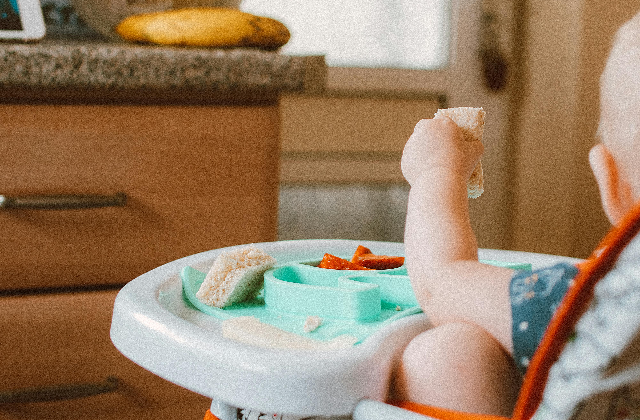
The Ingredient Label Showdown: What’s Really Inside That Organic Jar?
Let’s be real—one of the first things you do when holding a fancy jar of baby food is flip it around and squint at the ingredients. If you’ve ever asked yourself, “are organic baby foods worth it?” the label is a good place to start. Spoiler: sometimes it’s enlightening… other times, it’s just a pricey version of mashed carrot.
Most organic baby foods claim to be pure and simple—just peas, water, maybe a dash of lemon juice. No preservatives, no artificial stuff, no weird unpronounceable ingredients. Sounds great, right? But here’s the twist: a lot of non-organic baby foods also keep it that clean. Yep, the ingredients lists often look shockingly similar.
So if the ingredients are nearly identical, are organic baby foods worth it for the label alone? That depends. Certified organic products must follow stricter farming practices—no synthetic pesticides, no GMOs, and tighter standards for soil and animal welfare. If you’re all about clean farming and environmental impact, that might tip the scale for you.
But if your goal is simply to feed your baby healthy, nutritious food, then guess what? That non-organic jar with the exact same ingredients may do the job just as well. The big difference isn’t always in the contents—it’s in the certification and the price tag.
It’s also worth checking whether that organic jar has any added juices or concentrates to sweeten things up. Some do. And while they’re technically organic, they might not be what you expect when you think “just apples.”
Bottom line? Reading labels is key. If you’re wondering are organic baby foods worth it, the answer lies in what you value most—clean farming practices, environmental impact, or just getting your baby to actually eat something green. Either way, don’t let the word “organic” be the only thing driving your cart. Your baby’s nutrition (and your wallet) will thank you.
Taste Test Time: We Ate the Peas So You Don’t Have To
Let’s be honest—at some point, you’ve stared into a jar of green mush and wondered, “Does this actually taste like food?” We asked the same thing while diving into our mission to find out: are organic baby foods worth it? So naturally, we did what any curious (slightly nervous) adult would do… we tasted them.
First up: organic green pea purée. It looked harmless enough, but the flavor? Surprisingly earthy and weirdly sweet—with a strong “fresh out of the garden but left too long in the sun” aftertaste. Not offensive, but definitely not snackable. If you’re wondering are organic baby foods worth it just for the taste, the answer might depend on how brave your baby is.
Then we tried an organic carrot blend. This one was actually decent! Smooth, slightly sweet, and not too watery. A solid option for first tastes. Things took a turn with organic quinoa-apple-spinach. It smelled like sadness and had the consistency of regret. One taste tester whispered, “Why is it sour and sweet and gritty… all at once?”
We also compared a few non-organic versions, and guess what? In many cases, the flavors were nearly identical. One non-organic apple-banana pouch was even preferred by our adult panel. It was smoother, fresher, and honestly—not bad at all.
So, are organic baby foods worth it when it comes to taste? Sometimes. But not always. Some brands nailed the balance of texture and flavor, while others left us wondering if babies just don’t have enough vocabulary to complain.
Our big takeaway? Just because it’s organic doesn’t mean it’s delicious. If your baby turns their nose up at that $4 pouch of kale and mango, don’t take it personally—they might just have great taste. When deciding are organic baby foods worth it, trust your baby’s reaction (and maybe your own taste buds) just as much as the label. Because no one wants to spend extra for something that ends up on the floor.
Price Check: Are You Paying More for the Same Squash?
Let’s talk numbers—because when you’re asking are organic baby foods worth it?, price plays a huge part in the answer. One quick scroll through the baby food aisle and you’ll see it: organic jars and pouches often cost double (or more!) than their non-organic twins. But are you really getting double the value?
We did a little shelf-stalking and found that while standard baby food jars hover around $1 to $1.50, organic ones can go up to $3, sometimes more if they include “superfoods” like chia seeds or quinoa. One organic pouch we found cost $4—and it was just sweet potato and water. That’s one expensive spoonful.
So… are organic baby foods worth it if your grocery bill goes through the roof? That depends on your priorities. If choosing certified organic is important to you for environmental or farming reasons, then yes—paying extra might feel totally justified. But if your main goal is simply feeding your baby wholesome, clean food, you might find that many non-organic options deliver the same nutrition without the budget squeeze.
What’s wild is how similar the ingredients often are. Remember our label showdown? Organic and non-organic versions of the same food sometimes list identical ingredients—no preservatives, no additives, just mashed fruit or veg. The main difference? That shiny green label and the price tag attached to it.
You’re also paying for packaging, branding, and buzzwords. “Cold-pressed,” “farm-fresh,” and “superfood blend” sound fancy, but they don’t always mean better. And when you’re buying in bulk (because babies eat a lot), those extra dollars add up fast.
So, are organic baby foods worth it for your wallet? Not always. Sometimes you’re paying more for peace of mind. Sometimes you’re just paying more. And if that pouch ends up smeared across your baby’s high chair instead of in their belly, you might wish you went with the $1 version. Your baby won’t know the difference—but your bank account definitely will.
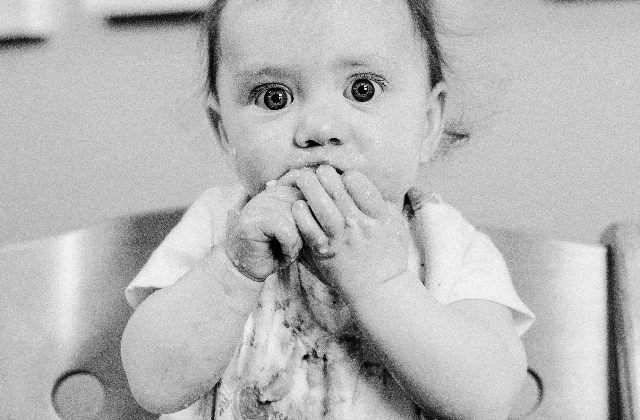
Texture Trouble: Why Some Organic Foods Just Don’t Pass the Spoon Test
You’d think with all the hype, every jar of organic baby food would be silky-smooth perfection, right? Nope. When we asked “are organic baby foods worth it?” we weren’t just looking at ingredients—we were watching how that mush behaved on the spoon. Spoiler alert: some textures were… questionable.
First off, organic doesn’t always equal creamy. We tried a few organic blends that were oddly gritty, weirdly watery, or both. One spinach-quinoa purée separated like salad dressing, and we’re still not over it. Another one had the exact texture of wet chalk, and we wish we were joking.
Texture matters. Babies are picky, and they notice these things. A weird mouthfeel can lead to gagging, total refusal, or dramatic full-body shudders (10/10 for drama, zero stars for lunch). And when you’re trying to get your baby to take just one bite, the last thing you need is weird lumpy peas ruining your moment.
Interestingly, some non-organic baby foods had a more appealing, smoother consistency. The applesauce? Spot on. The mashed carrots? Velvety. In some cases, organic brands seemed to skip on texture testing altogether in favor of ticking off “natural” ingredients.
So, are organic baby foods worth it if the texture turns your baby into a tiny food critic? Maybe not. If your baby won’t eat it, you’ve basically paid extra for food that’s going straight to the bin—or the walls.
When evaluating if organic baby foods are worth it, don’t just stop at the label. Open it up, give it a stir, and see how it feels. Your baby’s first impression is everything. A great texture can mean clean plates and happy babies. A bad one? Let’s just say you might end up wearing that kale purée yourself.
The Baby Verdict: Will They Actually Eat It (or Spit It Out)?
At the end of the day, no matter how organic, farm-fresh, or beautifully packaged a baby food is—your baby is the final judge. So when asking are organic baby foods worth it?, the real test is simple: will your little one actually eat it, or will it end up in their hair, on the wall, or launched across the room like a veggie missile?
We put a variety of organic pouches and jars to the ultimate test—hungry babies. The reactions? Hilarious, surprising, and brutally honest. One baby loved the organic apple-peach blend and couldn’t get enough. Another took one bite of an organic lentil-kale combo, looked deeply offended, and let it dribble down their chin in protest.
What we learned is this: babies care a lot more about taste and texture than whether something is labeled organic. Some organic foods got enthusiastic claps and happy kicks. Others? Immediate side-eye and tightly clamped lips. Meanwhile, a basic non-organic banana mash was devoured like it was dessert at a five-star restaurant.
So, are organic baby foods worth it based on baby approval alone? Not always. If your baby’s face lights up for it, go for it! But if they act like you’ve just offered them pureed punishment, it doesn’t matter how natural or pesticide-free it is—it’s a no from them.
The key is finding what your baby likes. Organic or not, if they enjoy eating it, you’ve won. When deciding are organic baby foods worth it, trust your instincts—and your baby’s expressions. Because at the end of the day, no food is worth the battle if it gets spit out faster than you can say “but it’s organic!”
So, are organic baby foods worth it? The answer isn’t a simple yes or no—it’s more like “sometimes.” If you value organic farming practices and have the budget, go for it. But if your baby turns up their nose at that pricey purée or you’re just trying to make it through the week with food actually getting eaten, non-organic options can be just as healthy and delicious. Taste, texture, and your baby’s preferences matter just as much as the label. Trust your gut (and your baby’s reaction), mix it up, and do what works best for your family—messy high chair and all.

Leave a Reply
You must be logged in to post a comment.