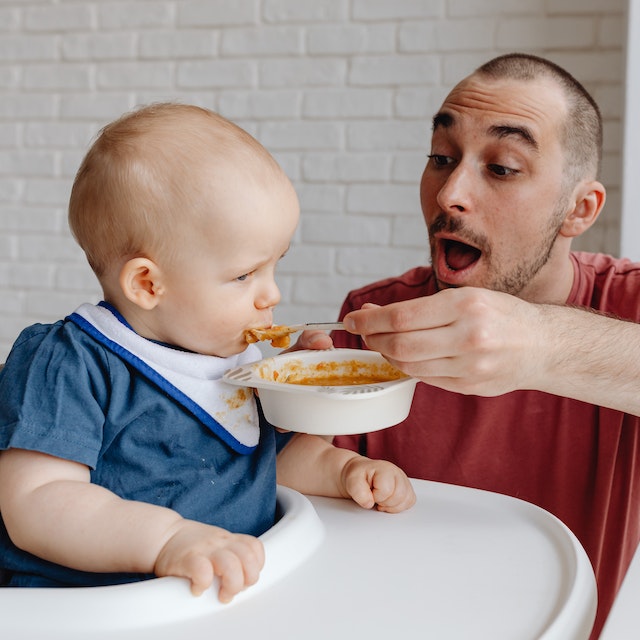
In the first few months, babies require adequate nutrients in their food for their bodies to develop properly. Iron, calcium, vitamins, and other essential nutrients are crucial for a baby’s growth and development. As a result, many parents are concerned about what kinds of foods they can safely give to their children.
One question that frequently arises is whether babies can eat jello. While jello is a delicious treat that many adults enjoy, parents may wonder if it’s healthy and safe for their babies to consume. In this post, we’ll provide some information to help you make an informed decision.
- What Is Jello?
- Can Babies Eat Jellos?
- Why You Should Not Feed Your Baby Jello
- When Can Babies Eat Jello?
- What Is In Jello?
- Can Jello Choke Your Baby?
- What Size Of Food Can Choke Your Baby?
- What Type Of Food Is Suitable For Your Baby?
- Other Dangerous Foods For Babies
- Is It Okay To Give My Baby Jello?
- Can Babies Have Sugar-Free Jello?
- Can A 6-Month-Old Eat Jello?
- Can A 1-Year-Old Eat Jello?
- Can A 2-Year-Old Eat Jello?
- Can Babies Play With Jello?
- Homemade Jello
- How To Make Your Homemade Jello
What Is Jello?

Jello is a dessert made from gelatin and other artificial additives, which gives it a slimy texture and a sweet taste. Due to its appealing taste and texture, babies may be attracted to it.
The gelatin used in making jello is derived from the skin and bones of animals, with calf foot being the most common source. However, some of the ingredients in jello may not be safe for babies, making it potentially unsafe for them.
Can Babies Eat Jellos?
While babies can eat jello, it may not be the best choice for them. Jello is a dessert that contains high levels of sugar and fat, but very little nutritional value.
Studies have shown that infants under 24 months should not consume added sugars, as it can cause complications in their growth such as type II diabetes and tooth decay.
Additionally, laboratory studies have indicated that some of the ingredients in jello may cause side effects when combined with certain medications. Therefore, it may be best to avoid giving jello to your baby and opt for healthier options that are rich in nutrients.
Why You Should Not Feed Your Baby Jello
1. No nutritional value
Apart from its sweet taste due to artificial sweeteners, jello has no nutritional value- It only makes your child a depot of sugar. At the early stage of their development, babies need nutrients at every chance.
Therefore, unless your baby is above 24 months, you might need to find an alternative healthy snack for your baby.
2. Choking hazard
Jello tends to clump together. If not properly monitored, your baby might take a size bigger than her windpipe; this could result in choking for your baby.
3. Very high sugar content
Jello wouldn’t have bothered anyone if it had a net zero effect on the baby. However, jello has almost zero nutrition benefits and a high sugar content to harm your baby. Jello has added sugar that can be dangerous and cause tooth decay, type II diabetes, and obesity.
Interestingly, natural sugars are not known to have adverse effects on your baby. Added sugars are, however, hazardous to your baby’s health.
4. Potentially harmful ingredients
The ingredients used in preparing jello may be unsafe for your baby. FDA declares 6 flavorings to be linked to cancer after a lab test. The artificial sweeteners used in making jello have also been observed to cause cell damage and inflammation.
Moreover, these additives cause behavioral changes in babies (hyperactivity).
When Can Babies Eat Jello?

Medical studies around the globe have advised against the supply of added sugar to babies below 24 months old. Jello contains a lot of calories with little nutritional value. Babies less than 24 months old need all their calories to have nutrients; they need as many nutrients as possible.
So, feeding them valueless calories over time could result in medical complications.
What Is In Jello?
The ingredients of jello make it a threat to your baby’s health. The jello is made with the following ingredients: gelatin, artificial flavorings, artificial colorings, maltodextrin, sweetening agents, and Adipic acid
1. Gelatin
Gelatin is a protein-based product extracted from the skin or bones of certain animals. The most common jelly is Calf’s foot jelly; this is because the gelatin was extracted from the calf’s foot.
Gelatin is the only natural ingredient in jello and it gives it a slimy texture.
2. Maltodextrin
This is what gives the Jello its smooth texture.
3. Artificial flavoring
According to the FDA, 6 flavorings have been flagged as unhealthy and could cause cancer after being tested in the lab. This puts all flavoring as potentially harmful to your developing infant.
4. Artificial coloring
These colorings help give the jello variety of colors. However, studies have shown that these colorings have been linked with causing behavioral changes in babies.
5. Sweetening agents
The most common sweetening agents known are Aspartame and Sucralose. These two sweeteners have been found to cause cell damage and inflammation.
6. Adipic acid
This is what gives the Jello its tart flavor
Can Jello Choke Your Baby?
Jello has a slimy nature that enables it to form a clump together. This clump state could pose a choking hazard for your baby. In addition, if your baby is still very sensitive to solids, they’d probably gag on the jello. So, yes, your baby could choke on jello.
What Size Of Food Can Choke Your Baby?
Young children have a windpipe diameter about the size of a regular straw. Children younger than 4 years should not be given food bigger than that.
Also, hard, gooey, sticky, and coin-shaped food must be avoided due to the high risk of choking.
What Type Of Food Is Suitable For Your Baby?

Babies are very fragile and need to be taken care of. They need a lot of nutrients for their healthy growth. The following foods are nutritious and healthy for babies from 6 months.
1. Soft fruit
Soft fruit is appropriate to feed babies due to its texture. Babies in their early days need soft food. These fruits are healthy because they contain essential vitamins and minerals needed for nourishment and antioxidants that protect the body from oxidative stress.
2. Vegetables
Vegetables are a health-friendly food class capable of supplying your baby with the needed vitamins, minerals, and antioxidants.
Even more, vegetables help to keep bowel movements in check; they avoid constipation in your kid. A good example of a vegetable is your carrot. But they should be marched and mixed with the right meals before they are consumed
3. Pasta
This is a whole-grain food. It can satisfy your baby and give them energy (It’s a complex carbohydrate). They can be cooked to extra softness and seasoned to your baby’s preference.
4. Fish
Fish is another healthy food to be incorporated into your baby’s meal. It’s a good source of protein for your developing baby; capable of supplying the baby with protein, vitamins, and minerals.
Further studies have shown that eating fish helps in brain and eye development.
5. Scrambled eggs
Eggs are perceived to be the best meal to give babies. It provides the baby with needed proteins and minerals. But watch out for allergies. Some kids react quite badly to eggs. I remember the first time i fed my third child some egg, she had a bad allergic reaction. Her eyes became swollen and puffy. And we had to see the pediatrician.
Other Dangerous Foods For Babies
1. Fast food
Fast foods like French fries, chicken nuggets, hamburgers, and so on should never be on your baby’s menu. They are packed with saturated fat, sugar, and salts which are useless for your baby.
Vital nutrients needed such as Vitamins and minerals are not available. High sugar content in fast food can lead to being overweight.
2. Unpasteurized food
Unpasteurized foods like milk, cheese, cider, and so on contain bacteria that can cause your baby to be sick. So watch out for those.
3. Fruit drinks and Soda
Fruit drinks and Soda are not recommended for babies under the age of 1. They have very little benefit and have high sugar content; this can in turn affect your baby’s teeth (tooth decay) and sometimes obesity.
4. Honey
Honey is taboo for babies under 12 months. Babies below 12 months of age are not advised to take honey whether cooked or uncooked. Honey contains Clostridium botulinum; this in babies can lead to serious medical issues.
Is It Okay To Give My Baby Jello?
It’s probably not very okay to give your baby jello. Jello has zero nutritional value but high calories. Babies in their first month need all the nutrients they can have. Jello won’t provide them with that.
If you had been giving them as a snack before now, it is okay; do not panic. Don’t give them anymore. Find alternative healthy food for them.
Can Babies Have Sugar-Free Jello?
There’s no healthy jello at the store. Packages with the label tag “sugar-free” happen to still contain sugar. As long as you didn’t make your homemade jello, the ingredients used might still be potentially dangerous.
Sugar-free is made with artificial sweeteners and high amounts of sodium; this is as dangerous for your baby as sugar-filled jello.
Can A 6-Month-Old Eat Jello?
The sugar level of jello is too high for a six-month-old. Six-month-old babies are just developing to eat solid food and need all the nutrients they can get.
In addition, they are probably just learning to eat with little or no teeth. There’s a danger of clumsiness and choking on the gelatinous jello.
Can A 1-Year-Old Eat Jello?
The danger of choking from jello for an old is not as much as for a 6-month-old as they’ve had more practice with eating solids.
However, the high sugar content remains a worry. Babies at one year of age are not to take jello, because it contains empty calories and no nutritional value.
Can A 2-Year-Old Eat Jello?
According to the American Heart Association, babies under 24 months are not to be given added sugar. This association further added that babies above 24 months old are to be given 25 grams of added sugar in a day to maintain a healthy heart.
A single cup of jello contains about 16 grams of added sugar. If your baby does not take any other sugary snack, it’s okay to give them jello as a one-time snack per day.
Can Babies Play With Jello?
Jello or Jelly is very good to play with for babies. It helps in developing their motor skills. Jello can be shaped to look like regular toys – it can be shaped like a dinosaur, a human, a car, etc.
Playing with jello can help babies in the following ways:
- Development of gross motor skill
- Fine motor skill/ Small muscle development
- Hand-eye coordination
- Communication skill
- Social and Emotional Development
- Imagination and creativity
Homemade Jello
Making your jello in the comfort of your home might be your safest bet to keeping your baby healthy if you must feed them jello.
Homemade jello makes you eradicate the fear of high sugar content as with store-purchased jello.
As opposed to store-purchased jello, homemade jello promotes healthy bones, skin, and brain; you eliminate the potential fears of additives. You can make the jello to take any taste or any form you desire. There are different types of jello you can make at home.
Your ingredients would include
- Juice (2 cups of pomegranate and apple juice)
- Gelatin (Fruit juice and Gelatin powder) / Agar Agar (Fruit juice and Agar powder)
- Honey
NB: Do not use honey if your baby is less than 24 months old.
Gelatin can be replaced with Agar Agar for vegetarian-friendly homemade Jello. Agar powder is derived from seaweed- a plant source.
How To Make Your Homemade Jello
1. Fruit Juice and Gelatin
- Pour half of the juice into a bowl.
- Sprinkle the gelatin powder evenly.
- Let it wait out for 5 minutes.
- Put the rest of the juice in a separate pot and allow it to boil.
- Pour this boiled juice into your bowl and stir to dissolve the gelatin in the bowl.
- Transfer the new content of your bowl into a baking pan and put it in a refrigerator for hours until it is firm.
2. Fruit Juice and Agar Powder
- Combine all the ingredients in a small pot.
- Bring your ingredients to a simmer.
- Simmer till the powder is dissolved.
- After cooling the mixture a little bit, transfer it to a baking pan and refrigerate for several hours till it is firm.
As a parent, it’s crucial to prioritize your baby’s nutritional needs as they transition to solid foods. Although it can be tempting to give them a taste of what the adults are eating, it’s essential to consider the safety, health, and long-term benefits for your baby. Jello, with its high sugar and fat content and low nutritional value, may not be the best option for your little one.
It’s vital to make informed decisions when it comes to your baby’s diet and to seek advice from a pediatrician or a nutritionist if needed. Ultimately, as a parent, you are responsible for ensuring that your baby receives the nutrients they need for healthy growth and development. So, be mindful of what you feed your baby, and always prioritize their health and wellbeing.

Leave a Reply
You must be logged in to post a comment.