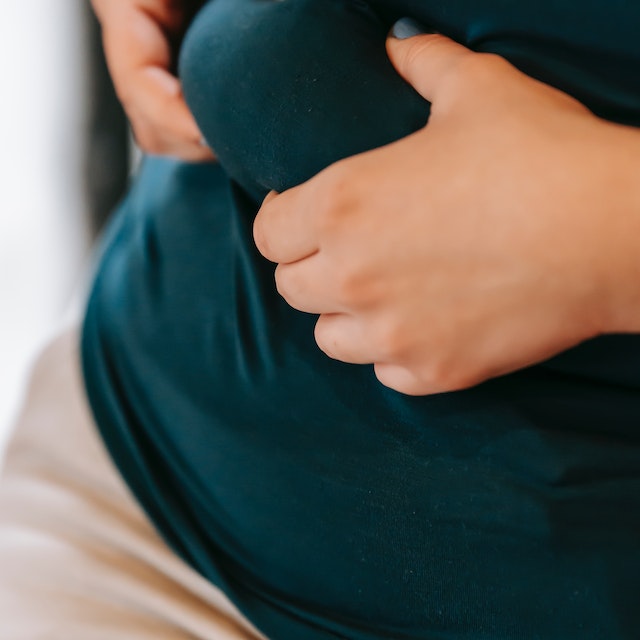
Feeling positive about your body at 40, just as you did at 20, is an important goal for every woman. As a mother, childbirth can have various effects on your body, including the appearance of your abdomen. Many mothers desire to address excess sagging skin and fat deposits in their stomach area, but it’s important to note that these concerns are not solely attributed to childbirth.
Several factors can contribute to the accumulation of fat in the stomach. This article aims to provide insights into the symptoms of torn internal stitches after tummy tuck, proper care for internal stitches, and important considerations related to tummy tuck procedures.
Tummy Tuck
A tummy tuck, or abdominoplasty, is a surgical procedure designed to remove excess fat deposits and skin from the abdomen, resulting in a more aesthetically pleasing appearance. During the surgery, the connective tissue in the abdominal area is reinforced with sutures.
It is worth noting that tummy tuck surgery has gained popularity in the United States, ranking as the 6th most performed surgical procedure, according to ASPS statistics. This is attributed to a significant number of individuals seeking to address large fat deposits and excess skin, particularly those who have undergone weight loss or mothers who wish to restore their pre-pregnancy abdominal appearance.
Is Torn Internal Stitches A Complication Of Tummy Tuck?

A tummy tuck is like every other surgical procedure; complications can occur. Many other complications can arise from a tummy tuck, but a torn internal stitch is the origin of most of them.
97% of the sutures done for tummy tucks are to be absorbable- a known characteristic of absorbable sutures is that they are tiny and very fragile.
While trying not to cause significant complications due to torn stitches, patients are to stay away from so many things; the heaviest object allowed to be carried is a toothbrush.
Torn internal stitches might be a severe complication of tummy tuck
These are the general symptoms of torn internal stitches after a tummy tuck:
Severe Pain Around The Incision: You might feel sharp pain around your abdomen. This is related to your connective tissue and muscles getting ripped apart.
Fever: You tend to experience a high degree of temperature from time to time.
Sign of infection around the incision: You might observe redness and swelling around the incision across your abdomen; this might also get itchy.
Wound reopening: this is common among torn stitches due to heavy activity (e.g., body stretching, sneezing, working out, etc.) stretching the abdominal muscle; this leads to the appearance of absorbable sutures right outside the body where they can’t be dissolved.
Fatigue: You might suddenly start feeling so tired.
How Is A Tummy Tuck Surgery Done?
A tummy tuck is a surgical operation that can take several hours; time ranges from 3 to 5 hours, depending on the result desired. Patients are given anesthesia (pain relief) before the whole procedure begins. This anesthesia can take 5 days to wear out. This is why it is advised to stay over or have someone accompany you to the clinic.
Tummy tuck surgeries are carried out with sutures.
Types Of Sutures
The kinds of sutures used in surgical operations are alike. There are two distinct categories of sutures; absorbable (permanent) and non-absorbable.
1. Absorbable Sutures
The enzymes inside your body can only break down absorbable sutures. The enzymes inside the body break down these groups of sutured materials. They do not need to be removed after healing. These kinds are used for stitches inside the body and might be challenging to open up to remove the stitches. In addition, absorbable stitches are very tiny and are more compatible to be used when suturing connective tissues. There are cases whereby a part of a supposed absorbable suture is outside, leading to the inability of the stitch to be absorbed.
2. Non-absorbable Sutures
These are a group of sutures that are not broken down by the enzymes inside the body. They are to be removed after the stitch shows signs of healing or after it must have healed. Non-absorbable stitches are more extensive when compared to absorbable stitches, they are never used inside the body. They are used right outside the muscle where they are reached for easily. Non-absorbable sutures are not advised for a tummy tuck.
Types Of Tummy Tuck
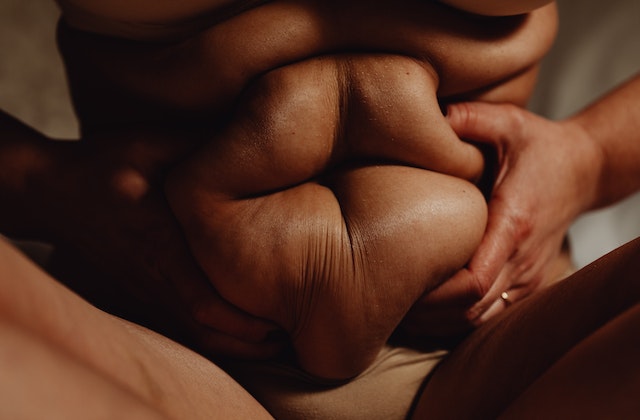
There are different types of tummy tucks which include:
1. Full Tummy Tuck
A full tummy tuck is the type of tummy tucker done for patients with a lot of excess skin. This tummy tuck has the highest incision length; it starts around the private area. The length of the scar made is dependent on the amount of extra skin available.
2. Half Tummy Tuck
Half Tummy Tuck is another type of tummy performed on people with less excess skin compared to patients of complete tummy tuck. They have short incision lengths.
3. Round Tummy Tuck
This kind of tummy tuck involves the removal of excess skin from the back whole and removes excess skin from the abdomen. Liposuction is a good substitute for this operation, but tummy tucks give a better post-op shape.
When Can I Have A Tummy Tuck?
A tummy tuck removes excess fat and skin that is not elastic from the abdomen; this considers excess fat. You can have a tummy tuck under these circumstances;
1. You Have Observed A Stable Weight For About 12 Months.
A tummy tuck is only possible after weight loss. It causes the overlapping excess fat deposited around the abdomen. Doctors should not put you through a tummy tuck until you’ve been observed to maintain a stable weight after your weight loss. You can have a tummy when certified to have stable health for 12 months.
2. You Don’t Smoke, or are Willing To Give Up Smoking For A While.
Nicotine is a substance that can make healing difficult for your body. Smokers tend to have a tremendous amount of nicotine in their blood. After a tummy tuck, nicotine would cause the incision to reopen during recovery. Therefore, smokers might be at tremendous risk. Non-smokers are the best candidates, but smokers who can stay away for a year are hopeful (but not always enough).
3. You Have Good Health, But Excess Skin.
Your body needs to be in perfect shape before you go on with a tummy tuck; it’d be crucial in your healing and recovery. A tummy tuck should only come to play when you experience fat deposits and excess skin around your abdomen.
4. You’re Done With Childbirth And Have No Plan Of Getting Pregnant Anymore
A tummy tuck does not affect whether you can or cannot get pregnant. Nevertheless, pregnancy might have a toll on your previous surgery; it comes with gaining weight and stretching your stomach; this might nullify the result of your first tummy tuck and require a second. Hence, mothers not done with childbirth are not good candidates for a tummy tuck.
5 Proven Tips To Care For Your Stitches After A Tummy Tuck

- Avoid exercise for a while; resume activities such as light walking after 10 days.
- Stay at least 8 weeks before attempting to carry anything heavier than a toothbrush or hairbrush.
- Stay away from smoking or ingesting nicotine; it interferes with your healing.
- Wear your post-surgery garment and your bandage; follow the doctor’s orders.
- Take care of your mental health. A wave of emotions might develop in the early weeks after your surgery.
What’s The Difference Between Abdominal Liposuction And Tummy Tuck?
Liposuction and tummy tuck have a lot in common; hence, why they get mistaken. Liposuction seeks to remove excess fat, while tummy tuck seeks to remove excess skin, fat cells, and undesirable tissue in your abdomen. None of these procedures is better than the other; they are different procedures and require different approaches.
You should go for a tummy tuck to remove excess fat and skin.
If you want to remove only fat, liposuction is the better option.
While liposuction is a surface surgery, tummy tuck requires dissection (it’s elaborate).
Nonetheless, these two procedures can be done together, as seen in cases like a round tummy tuck.
How Painful Is A Tummy Tuck?
The pain of a tummy tuck surgery is relative. The intensity of pain felt by patients depends on their level of sensitivity to pain.
However, tummy tuck surgery is less painful than other kinds of surgery. Hence the symptoms of torn internal stitches after tummy tuck aren’t severe.
What You Should Know Before A Tummy Tuck
1. It Takes Time To Heal
After you have realized and undergone some symptoms of torn internal stitches after tummy tuck surgery, it takes time to heal. It’s advised that you help in the healing process by staying away from strenuous activities for 8 weeks. Keep in mind that you’re not getting to your old self in 3 months. It takes time to heal.
2. You Might Not Be Able To Stand Straight For A While
The incision and sutures around your abdomen need time to heal before being stretched. You may be forced to bend while you stand. Standing straight might hurt you.
3. You Might Be Getting A New Belly Button
The incision is made across your belly button- there’s going to be a slight modification to the belly button. Nevertheless, the good part is that you can tell your surgeon what shape the belly button is.
4. Your Favorite Sleeping Position Might Hurt You
Lying flat has been studied to cause pain after a tummy tuck; you’re advised to lay with your shoulder high and head on the pillow. Doctor-Nir talks more about this fact in How To Sleep After A Tummy Tuck?
5. You Need To Understand It’s Going To Look Terrible Before It Gets Better
While the whole purpose of a tummy tuck is to look better, be prepared that it might look disgusting and way worse than it used to be for some weeks. Remember that it’ll be better, it’s just reacting to the surgery.
6. It Might Make You Look Fat For The First 2 Weeks
You might experience bloating over the first few weeks, but you’re not getting fat. Ironically, you did a tummy tuck to get rid of fat, only to observe yourself getting fat suddenly. You’re not fat, you’re bloated because of the effect of the surgery. You’ll be fine in a few weeks.
7. There’s The Tendency For Depression
The anesthesia provided might mess up your emotions with other changes you’d observe in your body. You’d probably regret the surgery and the discomfort it caused you. It’s alright. You’re fine.
Finally…
It is important to be aware of the symptoms that may indicate torn internal stitches after undergoing a tummy tuck procedure. These symptoms can vary and include fatigue, nausea, depression, and others. It is crucial to promptly report any of these symptoms to your doctor to ensure timely intervention and prevent potential complications.
Many individuals who struggle with excess fat in their body may consider a tummy tuck as a viable option. While it is understandable to desire this procedure, it is essential to exercise caution and prioritize safety throughout the process. By being vigilant and mindful, you can help ensure a successful and positive tummy tuck experience.

Leave a Reply
You must be logged in to post a comment.