
Sea moss, a type of seaweed scientifically known as ‘Chondrus Crispus’, is a well-known superfood due to its high concentration of nutrients. This seaweed, which grows in water and has an oceanic scent, comes in various colors such as brown, yellow, red, purple, black, and green, and is similar to other edible sea vegetables. One of the primary benefits of consuming sea moss is its probiotics content, which helps to maintain healthy gut bacteria and aids in digestion, providing relief from gastrointestinal issues such as gas troubles.
You can refer to sea moss as a superfood due to its high vitamin content and proven benefits for skin and hair health. When it comes to fertility, there is no single cause, and it can affect both men and women. However, sea moss while pregnant can be an effective supplement for women experiencing difficulties conceiving. This is particularly evident in the Caribbean, where many people believe that consuming sea moss is crucial for fertility. It is said to increase testosterone levels and sperm counts, leading to increased chances of conception. If you are wondering about other ways to improve female fertility, sea moss may be worth considering as a natural supplement.
- Can Pregnant Women Consume Sea Moss?
- How Safe Is Sea Moss?
- Advantages Of Sea Moss For Nutrition
- Why Sea Moss Is Important To Know While Pregnant
- Side Effects
- Classes Of Sea Moss
- Topical Cream
- Is Irish Sea Moss Capable Of Reducing Morning Sickness?
- Can A Pregnant Woman Eat Sea Moss?
- How Much Sea Moss Is Safe To Eat While Pregnant?
- Possible Risks
- Is Sea Moss The Solution For All Your Fertility Issues?
- Conclusion
Can Pregnant Women Consume Sea Moss?

Sea moss, also known as Irish moss, is a type of algae and seaweed scientifically known as Chondrus crispus. Despite its name, sea moss is considered safe seafood to consume in moderation during pregnancy, unlike other types of seafood that contain heavy metals and iodine that are best avoided during pregnancy.
This spiny edible plant primarily grows in tidal pools and on rocks in the northern Atlantic Ocean’s waters. It is highly beneficial as a food and as a topical remedy. While sea moss is a nutrient-rich food, it should not replace prenatal supplements.
How Safe Is Sea Moss?
Sea moss is considered safe to eat in moderation during pregnancy, despite containing some mercury which is present in all marine plants and animals. The levels of mercury in sea moss are relatively low compared to canned tuna, making it a safe option. In addition, darker purple sea moss contains anthocyanins, which are anti-inflammatory substances that can benefit individuals with inflammatory disorders.
On the other hand, bladderwrack is a different type of seaweed, and there isn’t enough research to determine whether it is safe to consume during pregnancy. Therefore, it is advisable to avoid bladder wrack even if you plan to breastfeed.
Advantages Of Sea Moss For Nutrition
Sea moss is a superfood that offers a variety of health advantages. 2 tablespoons, or 10 grams, of sea moss has the following ingredients:
- Calcium: 7.2 mg (milligrams)
- Magnesium: 14.4 mg.
- Phosphorus: 15.7 mg.
- Potassium 6.3 mg
- Iron: 0.9 mg.
- Zinc: 0.2 mg.
- Copper 0.02 milligrams
- Manganese 0.04%
Why Sea Moss Is Important To Know While Pregnant

1. Iodine
Because sea moss has a high concentration of the mineral iodine naturally, it is a good, secure, and all-natural way to increase your fertility. In comparison to the ordinary individual, pregnant women require 290 mcg of iodine. Iodine can have a beneficial effect on unexplained infertility.
2. Folate (Vitamin B-9)
Women who had taken folate-containing supplements had a higher chance of becoming pregnant within 12 cycles (Vitamin B-9). The study found that this possibility only accounts for 15 or 16 percent of cases. People with extremely brief cycles or irregular menstruation should take sea moss.
3. Iron
Healthy ovaries and iron supplementation are related. Iron content in sea moss is 9 milligrams per 100 grams. Therefore, every woman who is trying to conceive or who is pregnant needs to take 27 mg of iron daily.
Along with the aforementioned advice, it’s important to remember that you should abide by all laws that may be helpful while pregnant and abstain from doing anything risky or harmful. All of these minerals have numerous health advantages that help your body function normally.
For instance, iron is required to produce red blood cells for you and your unborn child as well as to transport oxygen throughout the body. Given that pregnant women need to produce more blood than usual, anemia is a common condition in this stage of life.
4. Potassium
Potassium controls the fluid and electrolyte balance throughout the body, which is crucial throughout pregnancy. Even more essential during pregnancy is the mineral calcium. A nutritious diet and supplements are essential during this time because many of these nutrients are rapidly depleted while the baby develops inside the mother’s body.
5. Vitamin D & C
Vitamin D and vitamin C are additional vitamins, with vitamin C being crucial for the immune system as well as the health of the bones and teeth. Your body’s capacity to absorb iron is decreased if you are deficient in this vitamin.
The amount of vitamin C your body can absorb is helped by vitamin D. Also containing vitamin A is sea moss. One of the reasons for taking sea moss in moderation is because too much of this vitamin can harm an unborn child.
Side Effects

Sea moss has many benefits, but there are also some things to be cautious of. One potential danger is an overdose of vitamin A, which can be harmful. It is unnecessary to consume additional amounts of this vitamin because it is naturally present in your diet. That’s why most prenatal vitamins either lack vitamin A or have very low levels of it in other forms, such as beta-carotene.
Iodine is another nutrient found in sea moss. It is beneficial in moderation because it supports the regular function of your thyroid, which is in charge of your metabolism and growth. The same goes for your developing child. However, excessive iodine consumption can lead to hypothyroidism, or an underactive thyroid, which can cause complications during pregnancy. Brown seaweed should be avoided during pregnancy because it has higher levels of iodine. Irish sea moss and red seaweed have lower concentrations and are considered safer alternatives. Nevertheless, moderation is key, and if you experience symptoms like skin irritation or itching, skin burning or reddening, nausea, vomiting, or diarrhea, you should consult a doctor.
Additionally, sea moss can absorb increasing concentrations of heavy metals such as mercury as it grows in the sea. If you consume too much sea moss, you risk a toxic buildup of these metals in your body. This accumulation of metallic poisons can also enter your baby’s bloodstream. Therefore, it is important to monitor how much sea moss you consume on a daily or weekly basis.
Classes Of Sea Moss
There are various methods for consuming Irish sea moss. The various methods you can include this food in your diet as part of a healthy lifestyle are covered in the sections below.
1. Supplements
The primary and most evident type of supplement is one that is taken orally in a similar fashion to how prenatal tablets are. Some tablets, as previously mentioned, include kelp and occasionally brown seaweed. Iodine concentrations in each of these are higher.
Verify the supplements’ labels thoroughly before purchasing, and only purchase from trustworthy producers. Don’t overdo it on the vitamins; consider taking them occasionally only.
The heavy metals can still accumulate in your body over time and harm your unborn child, thus some doctors advise against taking sea moss in pill form while pregnant. There is no genuine substitute for a high-quality prenatal supplement, which should be your primary supply of vitamins and minerals in addition to a balanced diet.
2. Powders
The powder form of this moss is another convenient way to consume it. This is readily available in most health food stores, and you can add it to a variety of dishes, including stews, smoothies, cereal, yogurt, and even soups. To ensure you are not consuming too much, check the serving recommendations for how much to add to food. Lactating mothers must also follow this rule.
3. Gels
Did you know that some foods, including smoothies, ice cream, and even baby formula, use Irish moss as a thickening agent? It is typically sold as a gel in jars and has a color spectrum of light beige to greenish yellow.
As with powders, you can add it to drinks to thicken them or simply add some extra nutrients. Even heated beverages like herbal teas can be made with it. To produce your gel, you can also purchase dried sea moss online.
Make sure to only purchase from trustworthy merchants because some less trustworthy ones won’t offer high-quality moss.
12 gallons of gel may be produced from around 2 cups of dry sea moss. Clean the dried moss, then soak it for 12 to 48 hours in spring water. Remove the water, then put the ingredients in a blender along with some fresh water.
Place in a jar in the fridge after blending until smooth. It hardens into a thick gel as it cools. As previously, if you buy them from a store, check the serving recommendations, and if you make your own, look for serving recommendations online from reliable websites.
Keep track of how much you are taking in because gels often contain more sea moss than either fresh or dried sea moss.
Topical Cream
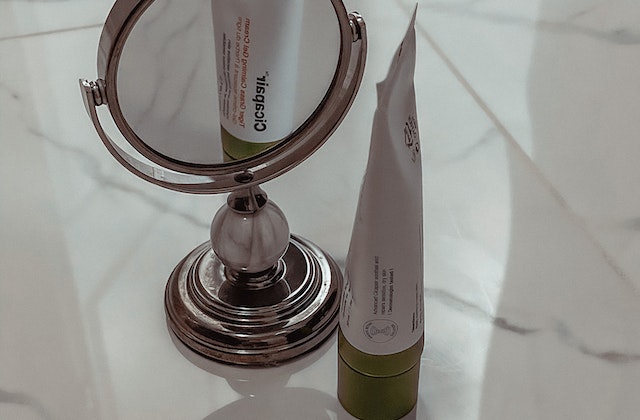
Topical creams also make excellent food supplements because of their various advantages. To aid with mild skin concerns, you can apply it directly to your skin. When used frequently, some people discover that it reduces the signs of age and the state of their skin.
Given that it’s excellent for all skin types, it should be wonderful for expectant mothers who have oily skin or really dry skin. It is excellent for treating small wounds and assisting in the battle against breakouts and blemishes since it has qualities that balance oil production and is antimicrobial.
Is Irish Sea Moss Capable Of Reducing Morning Sickness?
Although there isn’t much proof to back up claims that sea moss can aid with morning sickness, it does contain calcium and vitamin B6, which are both known to lessen nausea. Sea moss does not, however, contain sufficient amounts to aid in the dreaded morning sickness.
However, if you are one of the mothers who find it helpful, then this can just be another advantage the superfood has.
Can A Pregnant Woman Eat Sea Moss?
The consumption of sea moss during pregnancy has not been linked to any negative effects, but it is important to monitor your intake level to avoid any potential negative consequences. Pregnant women may experience conditions such as high blood pressure and hormonal imbalances, which sea moss can assist in treating. It can help maintain stable hormone levels and control blood pressure.
Sea moss is high in iodine, so it is important to regularly monitor iodine levels to avoid consuming excessive amounts of sea moss. Excessive zinc buildup caused by sea moss consumption during pregnancy is a real phenomenon. Sea moss contains 1.96 milligrams of zinc per hundred grams, and zinc deficiency may lead to difficulties in conceiving.
Furthermore, sea moss contains folate, a type of vitamin B that is crucial for healthy fetal development. Women with low folate counts have a higher risk of giving birth to babies with birth defects. Sea moss contains 183 micrograms of folate per hundred grams, which is half of the daily recommended intake of folate. This means that consuming sea moss during pregnancy may increase the chances of conceiving a healthy baby. It is important to consult a doctor or healthcare provider before adding any supplements to your pregnancy diet.
How Much Sea Moss Is Safe To Eat While Pregnant?
While sea moss is a natural supplement that may have benefits during pregnancy and fertility, it’s important to be mindful of potential drawbacks if consumed in excess. For example, sea moss contains 1.95 milligrams of zinc per 100 grams, which is an important element for pregnancy and fertility, but too much zinc can have negative effects. Additionally, while sea moss contains folate, with 183 micrograms per 100 grams, it only provides half of the recommended daily intake of 400 micrograms.
While sea moss hasn’t been studied specifically for its use in fertility, it is a natural supplement that can be used during pregnancy. However, as with any supplement, it’s important to be aware of its potential drawbacks and to consume it in moderation.
Possible Risks
Using sea moss while pregnant requires moderation. Heavy metals from the ocean are absorbed by sea moss. Additionally, if someone takes too much of it, it enters her bloodstream.
Furthermore, because it can be transferred to the fetus during pregnancy, its buildup in the bloodstream can be quite dangerous. If someone consumes sea moss and experiences an allergic reaction or is allergic to it, they should stop right away.
Is Sea Moss The Solution For All Your Fertility Issues?
Everyone’s body is unique, and various factors like exercise, diet, supplements, meals, and mental health can affect reproductive health. While sea moss is a nutrient-dense superfood, it can be consumed during pregnancy to supplement any lacking vitamins, minerals, and nutrients.
If you or your partner is having trouble getting pregnant, certain nutrients may be missing from your diet. To gain the necessary knowledge in this area, consulting with a doctor is advisable. Sea moss is not a remedy for infertility, and those who are unable to conceive should not rely solely on it.
Conclusion
In conclusion, incorporating Irish sea moss into your diet can offer various health benefits, but it is crucial to consult your doctor before doing so, especially during pregnancy or nursing. Every mother is unique, and what works for one may not work for another, so it’s important to understand your body’s needs and limitations. Additionally, it’s important to conduct thorough research before deciding to take sea moss to determine if it is the best option for you. Always prioritize your health and safety and make informed decisions in consultation with your healthcare provider.

Leave a Reply
You must be logged in to post a comment.