
Are you dealing with the tricky challenge of a baby refusing bottle? Don’t worry, you’re not alone in this journey. Many parents have felt the frustration of putting together the perfect bottle only to have their little munchkin reject it. But guess what? There are solutions out there to tackle this common issue of baby refusing bottle and bring back the peace during feeding time.
Figuring out why a baby refusing bottle can be a bit like solving a puzzle. It’s not always as simple as just being hungry. There could be all sorts of reasons behind baby refusing bottle, like their taste preferences, feeling uncomfortable, or hitting new milestones in their development. Understanding these underlying factors is key to finding a solution for a baby refusing bottle that works for your little one.
In our article, we’re going to dive deep into the world of baby bottle battles. We’ll explore all the possible reasons why a baby refusing bottle. Whether it’s because they’re not loving the taste, feeling a bit off physically, or just going through a growth spurt, we’ll help shed some light on what could be going on with a baby refusing bottle.
So buckle up and get ready to uncover the mysteries behind your baby’s feeding habits. We’ll be right by your side, offering insights and tips to help you better understand your little one’s unique situation. Let’s crack baby refusing bottle together and make feeding time a breeze again!
Why Is Baby Refusing Bottle?

It’s not uncommon for babies to reject bottle feeding, leaving parents and caregivers feeling frustrated. Let’s explore some potential reasons behind baby refusing bottle and how to address them:
Nipple Preference
Babies might develop a liking for a specific nipple shape, material, or flow rate. Experimenting with different nipple types can help find the one that suits your baby’s preferences.
Flow Rate Mismatch
Some babies prefer a faster milk flow, while others require a slower pace. Trying different flow rates can help determine the ideal one for your baby.
Temperature Preferences
Milk temperature matters to babies. Ensuring it’s around body temperature can increase the chances of successful bottle feeding.
Addressing Bottle Rejection
Negative experiences during bottle feeding can lead to aversion. Gradually reintroducing the bottle with gentle techniques can help overcome this.
Transitioning from Breastfeeding
Introducing bottle feeding to breastfed babies can be challenging. Gradual transitioning and offering skin-to-skin contact during bottle feeding can ease the transition.
Developmental Stages
Babies go through various developmental stages that can affect their appetite and preferences. Understanding these stages and being patient is key.
Sensory Sensitivities
Some babies reject bottle feeding due to sensory issues. Experimenting with different formulas or feeding methods may help accommodate their needs.
Transition to Solid Foods
As babies transition to solid foods, their interest in bottle feeding may decline. Offering fluids in other forms can help meet their nutritional needs during this transition.
10 Possible Ways To Correct Baby Refusing Bottle
Transitioning your baby from breastfeeding to bottle feeding can be a little tricky, but don’t worry, you’ve got this! Here are some friendly tips to help with baby refusing bottle:
Introduce the Bottle Gradually
Start by casually introducing the bottle during relaxed moments between breastfeeding sessions. Let your baby get used to the idea at their own pace.
Choose the Right Bottle and Nipple
Pick a bottle and nipple that feel similar to the breast. Slow-flow nipples mimic the natural pace of breastfeeding, making it easier for your baby to adjust.
Use Paced Bottle-feeding
Take it slow with paced bottle feeding. Hold the bottle horizontally, pausing often to give your baby breaks. This helps them regulate their intake comfortably.
Warm the Bottle to Body Temperature
Warm up the milk to make it cozy and inviting. Test it on your wrist to ensure it’s just right before offering it to your little one.
Involve Others in the Feeding Process
Sometimes, a change in scenery can make all the difference. Let someone else, like your partner or a grandparent, give the bottle a try if your baby isn’t keen on taking it from you.
Be Patient and Responsive
Approach bottle feeding with a relaxed and patient attitude. Respond to your baby’s cues and let them explore the bottle in their own time.
Experiment with Feeding Positions
Find a comfy feeding position that works for both of you. Whether it’s cuddled up in your arms or sitting upright, let your baby lead the way.
Offer Breast Milk in the Bottle
If you’re expressing breast milk, start by offering it in the bottle. The familiar taste and smell can make the transition smoother.
Encourage Sucking Reflex
Gently encourage your baby’s sucking reflex by touching the nipple to their lips or giving them a little tickle on the upper lip.
Gradual Weaning
If you’re planning to wean your baby from breastfeeding, take it slow. Swap out one breastfeeding session at a time with a bottle-feeding session until they’re fully transitioned.
Best Bottle Feeding Position For Baby Refusing Bottle
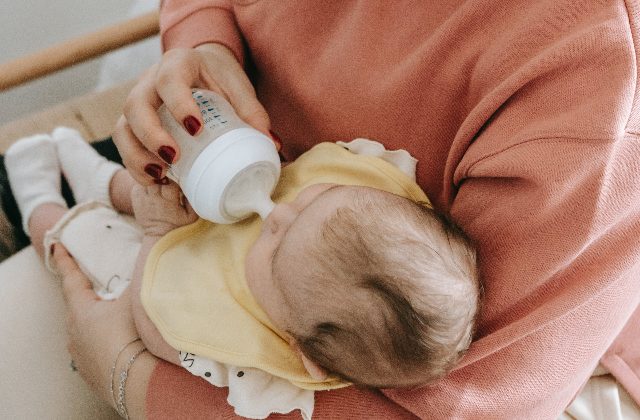
Finding the best position for bottle feeding for a baby refusing bottle is essential for your baby’s comfort, safety, and digestion. Here are some recommended bottle-feeding positions to consider:
- Cradle Hold: Sit with your arm extended along your side, supporting your baby’s head with your hand. Rest your baby’s body along your forearm, allowing them to face you. This position promotes bonding and eye contact.
- Semi-Reclined Position: For babies with reflux or swallowing difficulties, prop yourself and your baby up with pillows. Keep your baby’s head slightly elevated to reduce discomfort and the risk of milk flowing back up.
- Side-Lying Position: Ideal for night feedings or when you need to rest, lie down on your side with your baby facing you. Use pillows to support your arms and your baby’s head, ensuring a slightly elevated head position.
- Football Hold: Sit comfortably and tuck your baby under your arm like a football, supporting their head with your hand. Use a pillow for added comfort and stability, especially after a cesarean section, or for better latch control.
- Cross-Cradle Hold: Similar to the cradle hold, use the opposite arm to support your baby’s head and neck. This position allows you to guide your baby’s mouth toward the bottle, facilitating proper latching.
Regardless of the position you choose, keep these key tips in mind:
- Maintain a slightly elevated head position to prevent choking and aid swallowing.
- Hold the bottle at a 45-degree angle for a steady milk flow.
- Take breaks during feeding to burp your baby, reducing discomfort from swallowed air.
- Ensure the nipple is always filled with milk to prevent excessive air intake
It may take some trial and error to find the best position that works for both you and your little one. Trust your instincts, observe your baby’s cues, and consult your pediatrician for personalized guidance.
Last Words
Dealing with your baby refusing bottle can test your patience as a parent. But fear not, with a little understanding and perseverance, you can conquer this bottle battle like a champ!
Remember, every baby is one-of-a-kind, so there’s no one-size-fits-all solution here. Your little one might be turning down the bottle because of discomfort, like a tummy ache or reflux, or maybe they’ve just grown fond of the cozy vibes that breastfeeding offers. Keep a close eye on their signals and don’t hesitate to reach out to healthcare pros for some expert advice.
Let’s talk about the bottle itself. Babies can be picky about nipple shapes and materials, so it might take a bit of trial and error to find the perfect fit. Be patient and try out different options until you strike gold.
Creating the right feeding environment is key too. Keep things calm and zen during feeding time to help your baby feel more at ease. Dim the lights, turn down the noise, and keep distractions to a minimum for a stress-free feeding sesh.
And hey, don’t give up! It might take some time for your little one to warm up to the bottle, so hang in there. Mix things up by offering the bottle at different times, letting someone else give it a try, or switching up feeding positions. Stay flexible and keep an open mind.
And remember, you’re not alone in this journey. Reach out to healthcare pros, lactation consultants, or other parents who’ve been there for some extra support and encouragement. Together, we’ve got this!
With a little patience, persistence, and some trial and error, you and your baby will conquer this bottle refusal challenge in no time. Before you know it, you’ll be enjoying peaceful feeding sessions and bonding moments that’ll melt your heart. You’ve got this!

Leave a Reply
You must be logged in to post a comment.