
It is natural for children to feel strongly, to have doubts, and even to indulge in negative self-talk when faced with uncertainty or problems in life. It is not uncommon for children to have negative views about themselves, especially if they are the targets of bullying, are having difficulty in school, or are finding it difficult to make friends. Children struggle when faced with hurdles, and the natural assumption is sometimes that there is a problem which is why positive self-talk for kids is important.
But by showing children how to use positive self-talk, parents can help children deal with these unfavorable emotions and thoughts. They can learn how to reframe their thinking and concentrate on their strengths or the lessons they have learned from the challenges with positive self-talk for kids, even though it is still crucial to recognize negative thoughts and feelings and not try to erase them.
We walk you through what you need to know about positive self-talk for kids, including how to arm your kids with this effective tool so they can meet life’s challenges with resiliency and self-assurance if teaching your child to engage in positive self-talk is something you want to investigate.
Positive Self-Talk For Kids: What Is It?
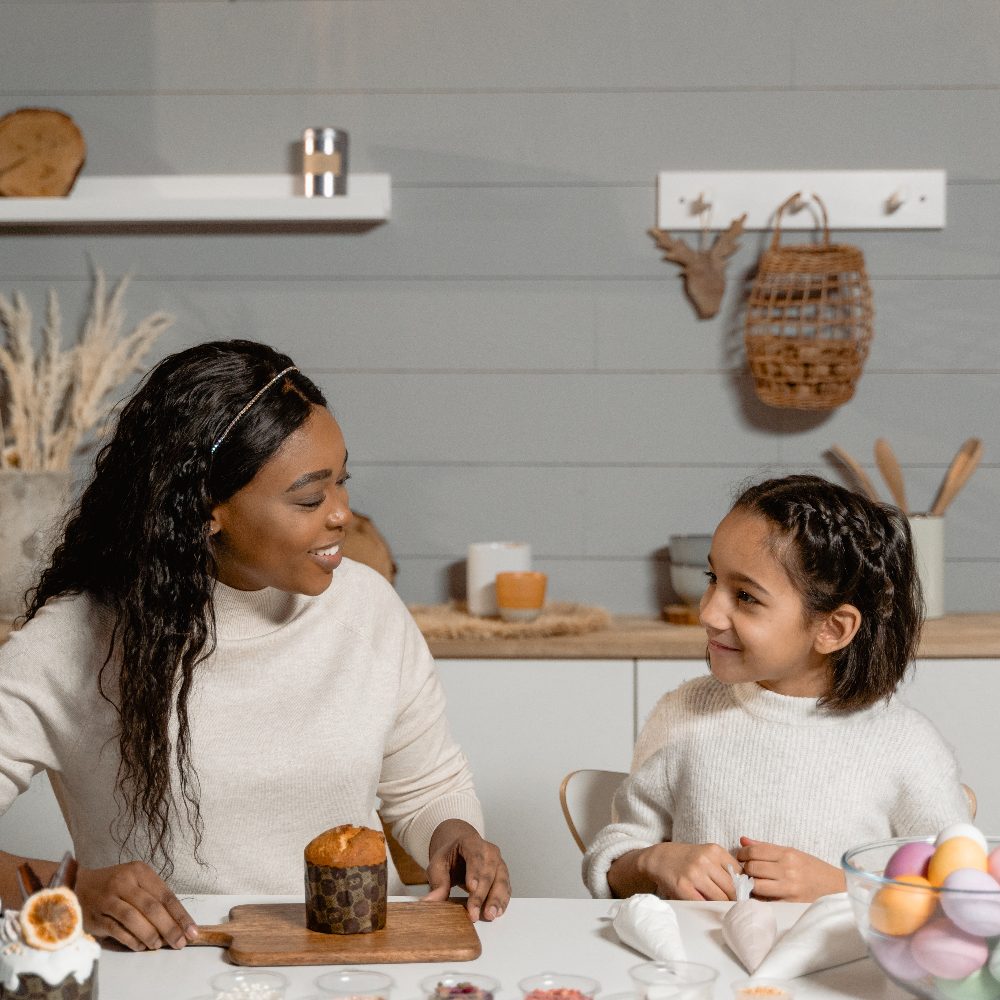
Self-talk is talking to oneself aloud or covertly in one’s head. It involves talking to oneself more often than to other people, typically for self-regulation rather than communication.
We all occasionally talk to ourselves, even if we aren’t always aware of it.
Either a positive or negative internal dialogue may occur. They frequently convey feelings, opinions, attitudes, and ideas about the outside world as well as about ourselves.
Self-talk is essential to maintaining our mental health. It is connected to higher-order mental processes like reasoning, problem-solving, planning, paying attention, and motivation.
Positive Self-Talk For Kids:

Positive self-talk for kids is fundamentally a coping strategy that empowers children to reframe their perspectives, fosters resilience, and elevates self-esteem. Positive self-talk for kids has a lot more to do with social-emotional learning than just encouraging a positive outlook. Positive self-talk for kids aims to train the brain to identify strengths, areas for development, and justifications for trying again.
Each child’s version of positive self-talk will be unique. Each person’s version of positive self-talk for kids may differ. They list their talents, accomplishments, positive qualities, and appealing facets of their personalities, for example. Self-confidence is what we refer to when someone can speak positively of himself or point out those excellent qualities.
When parents start teaching their children positive self-talk for kids at a young age, they not only give their children confidence but also help them develop resilience. Children discover that they do not have to allow obstacles to ruin their hopes or goals.
They start to realize that what they have to offer the world is positive and that they have a special set of skills that they can use when things get tough.
What Is Kids’ Positive Self-Talk?
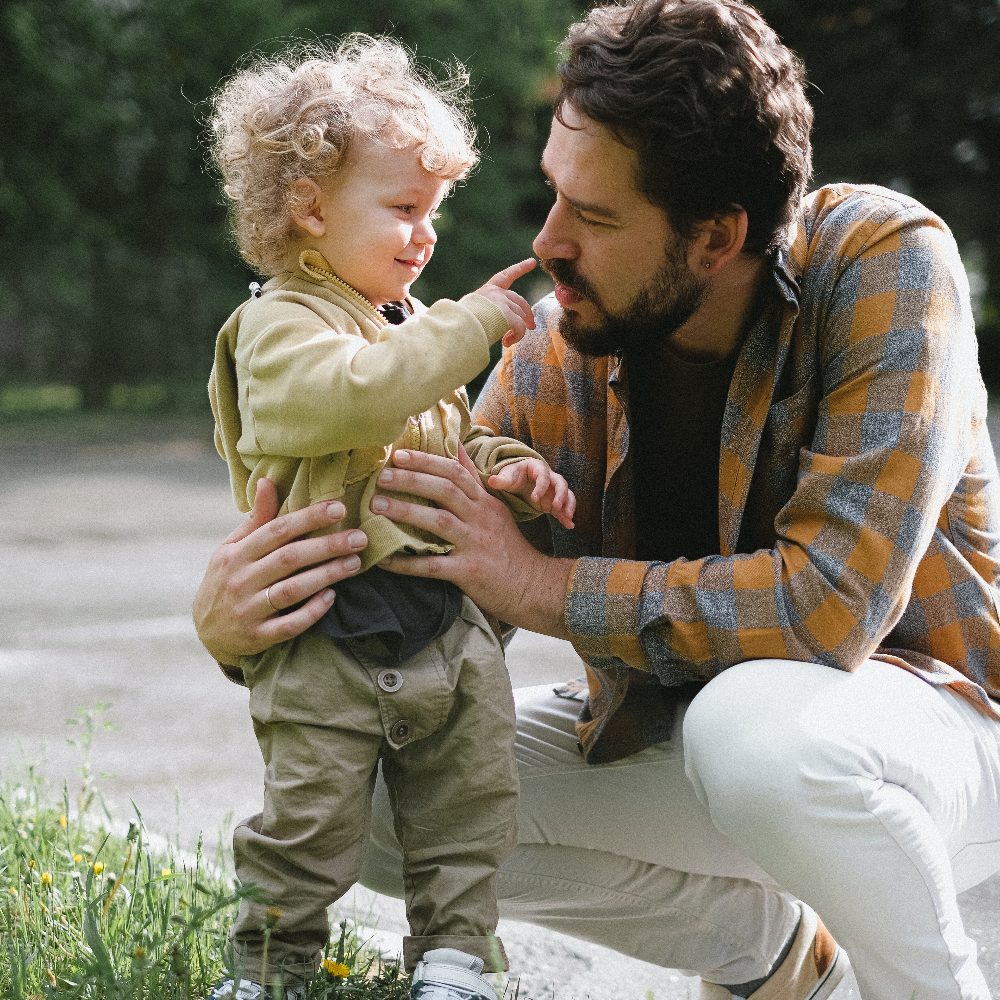
Talking positively to yourself is referred to as positive self-talk, encouraging words, or positive mantras. It is crucial because it enables kids to give their best efforts in trying circumstances.
According to a study, youngsters who use positive self-talk for kids have higher self-esteem. Children with more upbeat stories had less illogical, pessimistic ideas and less melancholy symptoms.
Positivity seems to have a stronger influence on mood, rational thought, and self-esteem than negativity.
A child’s anxiety is lowered and their confidence is increased by positivity.
Children are more likely to believe in themselves if they speak highly of themselves. They adopt a more upbeat perspective on life. They learn to put their mistakes behind them, concentrate on what they can contribute, and plan for the future even in trying circumstances.
How Positive Self-Talk For Kids Develops
Positive Self-talk for kids is a natural human behavior. Children are not taught to talk to themselves by their parents.
Even before they can speak, children naturally communicate with others and with themselves through a range of gestures.
Internalizing social interaction leads to the development of positive self-talk for kids. Children use the same language that adults do when speaking to them.
An example might be a mother telling her son not to touch the stove. When he later feels drawn to the stove, he restrains himself by remembering his mother’s warning, “Don’t touch the stove!”
These interactive talks help youngster develop their inner voice, which starts as positive self-talk for kids but eventually internalizes.
Studies on primary school students revealed a substantial relationship between the quantity of positive self-talk for kids and how they interpret positive or negative words from others.
How to Encourage Children To Be More Positive
The Advantages Of Positive Self-Talk For Kids
Every child is susceptible to self-doubt, but tweens and teens are more so. They receive a lot of unfavorable signals and thoughts, which grind them down and undermine their self-esteem. Kids frequently think and say things about themselves that are negative, such as “I am such a loser” or “I am bad at arithmetic,” for instance.
These illustrations of negative self-talk are detrimental to your child’s resilience and self-assurance. If these things are said to your child enough times, they might start to believe them. But if you help your child have a more positive view of themselves and use positive self-talk, you can make them happier, more self-assured, more resilient, and more ready to take on challenges.
Our level of confidence is a key factor in determining our mental health. When their efforts don’t yield the best results or the results aren’t what they would have wanted or expected, it can undoubtedly help kids get through difficult times—times of disappointment.
Kids’ Benefits
Positive self-talk for kids, according to experts, has a variety of advantages. As an example, it:
Enhances Resilience:
Helps children recognize their strengths and develop a positive view of life and gives them confidence. Encouraging young people to pursue their strengths enables them to identify their areas for growth and empowers children to overcome obstacles and take chances.
Empowers Children To Pursue Their Aspirations And Make Objectives
Positive self-talk for kids has been found to help kids make better decisions and solve problems under pressure, according to research. Positive self-talk for kids significantly affects confidence building in addition to fostering pro-social conduct and enhancing self-compassion.
Positive self-talk for kids can also be utilized to accomplish daily tasks and to get ready for circumstances that might otherwise cause concern and anxiety. Additionally, it can inspire confidence and courage by reassuring people that whatever is happening can be achieved, whether it involves ease or agony.
A recent study discovered that using positive self-talk for kids helped children with poor self-confidence in their mathematical abilities perform better in math.
Three groups were formed from the pupils. The first group employed “effort self-talk” and concentrated on how their success on the test would be impacted by their effort, saying things like “I will try my best.” With the theme of “ability self-talk,” the second group concentrated on claims such as “I am good at this.” Additionally, the third group received no coaching on positive self-talk.
Children in the groups who practiced positive self-talk repeated their thoughts for at least 30 seconds before writing down and repeating their phrases while taking the test. The study’s findings revealed that the best math test results came from those who used effort self-talk, such as “I will try my best.”
They concluded that assisting struggling students in shifting their attention away from their incapacity and toward their efforts may improve their performance on challenging exams and projects.
How A Positive Attitude Helps Bullying Victims
Developing Your Children’s Independence
It might feel a little awkward at first to teach your children how to use positive self-talk for kids. But this is entirely typical.
It is difficult for their brain (and yours) to reframe thoughts because both you and your child are learning a new coping mechanism. However, you both will become proficient in this crucial skill with time and effort.
Sensitize People
The first step in encouraging kids to have positive self-talk for kids is to become aware of their negative self-talk. Many young people don’t realize the impact of their negative self-talk.
Assist them in identifying times when they are speaking or thinking negatively about themselves. You should also teach them what constructive positive self-talk for kids looks like.
Use role models, films, and books to assist children in understanding how they might use uplifting language to promote uplifting positive self-talk for kids. Tell them that developing good self-talk takes time and that some days will be easier than others.
Convoke Discussions
Positive self-talk can become a habit or a daily practice by having regular chats with your child about it as well as about how they are feeling or how things went at school.
It is quite simple to reflect on the mistakes made throughout the day. Positive self-talk encourages individuals to take stock of their accomplishments.
Additionally, these discussions aid in creating strong relationships between you and your children. You can support one another while also exchanging aims and desires. This is crucial in situations where things do not turn out as expected.
Regular communication creates a comfortable environment for them where they know they can turn to you when they’re feeling down or insecure.
Normalize Recognizing Accomplishments
Kids frequently believe that admitting their skills or identifying what they are good at is bragging or being unhumbled. However, being aware of their strengths (and areas that require more work) is a life skill that they will utilize throughout their lives.
Find out what your child enjoys most about themselves.
At first, you might need to assist them in identifying their assets or in locating a skill. They might not immediately be able to see these things. Additionally, you can point them in the direction of pursuits that suit their preferences.
For kids, achieving a skill is a huge confidence builder.
Ensure That You Are Putting Forth Effort
It is much more advantageous to pay attention to your child’s effort in a given situation than anything else. Don’t talk about the outcome in your comments. For instance, comment on how diligently they worked and studied rather than just their math grade.
Reward your youngster for their effort rather than for the outcome. Not everything went exactly as we had hoped. The essential thing is that they put in a lot of effort and didn’t give up, whether it was for a sporting event or a school project. Have them concentrate on their effort and the fact that it’s okay that things didn’t go as planned.
Self-Talk As An Example
Positive self-talk can be difficult since it requires us to pause and consider our communication style with our kids. By watching and observing their parents, children can learn a lot. Therefore, set an example for positive self-talk in your own life if you are in a trying or stressful circumstance.
Parents need to be aware that we can also use this skill. Self-talk that is encouraging actually helps resilience. Self-talk that is constructive and confidence go a long way toward promoting mental health.
By brainstorming with them various approaches to dealing with a difficult situation, you can also serve as an example for them of how to use positive self-talk. For instance, if they are required to write a paper and feel that their writing abilities fall short of expectations, motivate them to concentrate on their effort by telling them repeatedly, “I will do my best.” You could also tell them that even though their writing may not be very good right now, it will improve with time and effort.
Other strategies for assisting kids to practice positive self-talk
Aim For The Positive
Self-talk is nurtured, particularly by primary caregivers, not born.
High self-esteem and optimistic thoughts are related to positive interactions and remarks made by important people in a child’s life.
Therefore, parents’ daily comments to their children are the first step in helping them develop positive thinking.
Providing our children with guidance so they can develop and learn is an essential aspect of parenting. We frequently focus too much on what needs to be fixed and neglect to recognize our successes.
Increased praise for your child, more positive contacts in daily life, and a lack of attention to the bad are all excellent ways to foster positive inner dialogue.
Aid Them In Making Positive Statements
Positive experiences are necessary for having a positive outlook.
Most kids associate happiness with accomplishments like receiving a medal or scoring an A on a math test. However, aside from significant accomplishments, there are a lot of things and traits that are positive around them.
Encourage children to express any positive aspects of their lives by writing, drawing, and sharing regularly. An illustration of compassion would be to assist someone in picking up something they have dropped.
Honesty means speaking the truth. Perseverance involves working hard on a homework assignment and sticking with it until you find the solution.
After some questioning and discussion, these daily affirmations let kids see positive areas of their lives they hadn’t previously seen 9.
Remove Positive Self-Talk
Children occasionally get into a self-talk trap. They are speaking negatively about themselves by using words like “I’m stupid,” “I’ll never be good at arithmetic,” and “Everyone but me can handle this.”
By substituting positive language for negative thought patterns, you may teach children how to think positively.
Encourage your child to practice.
Here are a few instances.
Change “I cannot” to “I will try my best.”
I am patient and hardworking instead of “I am so stupid.”
“I accept and love myself just as I am” should be used instead of “I don’t like myself.”
Say “Stop” whenever they notice themselves starting to think negatively. Stop,” and then swap it out for a good one.
The new coping mechanism needs to be consistently used to become effective, though.
Ensure Growth Mindsets
An individual with a growth mindset thinks of their abilities as malleable rather than fixed. Learning and exercising help to develop aptitude.
Students who have a growth mindset are optimistic about their ability to learn. Failure won’t stop them from trying again.
Show Them How To Get A New Skill
Encourage them to engage in activities that are relevant to their interests and gain skills there.
Learning a new talent and mastering it can greatly enhance confidence. It produces a good narrative and frame of mind. Being skilled at something is a strong confidence-booster 12. It may improve your confidence and sense of competence, which will help you automatically adopt a positive outlook.
training in emotion
Without ever receiving positive attention, a child cannot attend school for the entire day. Allow them the time and space to communicate and express their emotions when they return home.
To help their children develop a healthy self-regulation technique, parents can train them on how to recognize and manage uncomfortable emotions.
An essential coping ability is the capacity to deal with stressful circumstances. Additionally, it is a critical stage in fostering emotional toughness.
To set a positive example for others, offer your positive affirmations to yourself.
Final Thoughts on Children’s Positive Self-Talk
Positive self-talk is a slow process that requires conscious practice if you want to turn it into a healthy habit. Children’s acquisition of this vital life skill is greatly influenced by their parents.

Leave a Reply
You must be logged in to post a comment.