
Motherhood burnout is real, and it doesn’t always look like crying on the bathroom floor or wanting to run away. Sometimes it looks like snapping over small things. Sometimes it looks like feeling numb even on a “good” day. And sometimes, it looks like functioning just fine while quietly running on empty.
I used to think burnout meant I was doing something wrong. That if I were more organized, more patient, or more grateful, I wouldn’t feel this tired. What I’ve learned is that burnout isn’t a character flaw. It’s what happens when you give constantly without enough space to recharge.
Motherhood burnout is real because motherhood has no off switch. There are no sick days. No clock-out time. Even when you rest, your mind is still on. Thinking. Planning. Anticipating.
And the hardest part? Most moms don’t realize they’re exhausted until they’re already deep in it. You keep showing up. You keep pushing through. You tell yourself it’s “just a phase.”
If you’ve been feeling stretched thin, overwhelmed, or unlike yourself lately, this isn’t a failure story. It’s a signal. Let’s talk about the signs of burnout, so you can recognize them early and stop blaming yourself for being human.
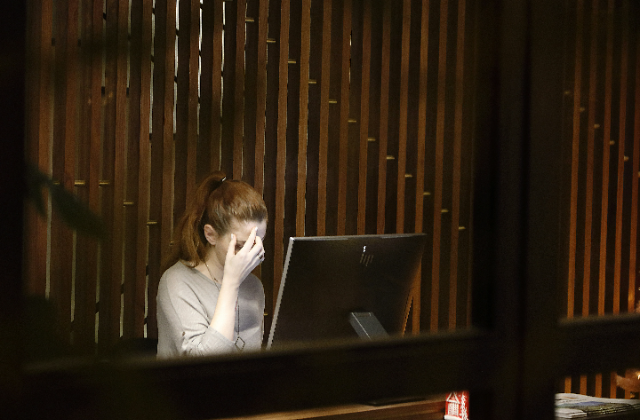
Motherhood Burnout is Real: You’re Tired All the Time, Even After Rest
This is usually the first sign, and also the one most moms brush off. You wake up tired. You go through the day tired. You go to bed tired. And somehow, even when you rest, the tiredness doesn’t fully lift.
This is where motherhood burnout is real in a way that’s hard to explain until you’ve lived it.
This kind of exhaustion isn’t just about sleep. Yes, lack of sleep plays a role, but burnout is deeper than that. It sits in your body and your mind. You can get a decent night’s rest and still wake up feeling like you never truly powered down.
I remember telling myself I just needed one good night of sleep. Then one quiet weekend. Then one day to myself. When none of those fixed the tiredness, I started wondering what was wrong with me.
Nothing was wrong. I was burnt out.
Motherhood burnout is real because motherhood demands constant output. You’re always giving something. Attention. Patience. Energy. Emotional presence. Even on “easy” days, you’re still on.
That kind of ongoing effort adds up.
What makes this exhaustion tricky is how normal it feels at first. Moms expect to be tired, so we minimize it. We joke about it. We power through it. We tell ourselves that other moms are handling more, so we should be fine.
But burnout tired feels different.
You feel heavy, not just sleepy.
You feel foggy, even when you’re alert.
You feel like everything takes more effort than it used to.
Simple tasks feel draining. Things you once enjoyed start to feel like work. You might notice yourself dragging through the day, counting down until bedtime, not because you’re excited to sleep, but because you’re done.
This is one of the clearest signs that motherhood burnout is real, not imagined.
Another red flag is how rest feels. When you finally get a break, your body doesn’t relax right away. Your mind keeps racing. You struggle to enjoy the quiet. Instead of feeling refreshed, you feel oddly restless or numb.
That’s not because you don’t know how to rest. It’s because burnout doesn’t turn off on command.
I also noticed that my tiredness came with a kind of emotional flatness. I wasn’t sad exactly. I just felt dull. Like I was moving through my days on autopilot.
That’s not laziness. That’s depletion.
Motherhood burnout is real when your energy output constantly outweighs your energy input. And for many moms, that imbalance becomes normal without anyone ever naming it.
You’re caring for others while postponing your own needs. Meals are rushed. Rest is interrupted. Personal time feels optional. Over time, your body keeps score.
It’s also important to say this clearly. Being tired all the time does not mean you’re weak. It means your system needs support.
We don’t talk enough about how mental exhaustion compounds physical tiredness. Planning, remembering, anticipating, and emotionally regulating all take energy. Moms do this work nonstop, often without realizing how much it costs.
So when you feel tired even after resting, it’s not because rest “didn’t work.” It’s because you need more than sleep. You need relief from constant responsibility.
Motherhood burnout is real when you can’t remember the last time you felt genuinely restored.
The goal here isn’t to scare you. It’s to help you recognize the sign early. Burnout doesn’t mean you’ve failed. It means your current load is heavier than your current capacity.
And that can change.
When you notice this kind of exhaustion, it’s an invitation to pause and reassess. Not your worth. Not your love for your family. Just your limits.
You don’t need to wait until you’re completely depleted to take this seriously. Feeling tired all the time is not something you have to accept as the price of being a good mom.
It’s simply the first signal that something needs to shift.
Small Things Set You Off More Than They Used To
One of the most frustrating signs of burnout is how easily you get irritated over things that didn’t bother you before. It’s not the big stuff that gets to you. It’s the tiny, everyday moments that pile up and suddenly feel unbearable.
This is where motherhood burnout is real in a very sneaky way. You’re not losing your temper because you’re an angry person. You’re reacting because your emotional reserves are already running low before the day even starts.
When you’re burnt out, your tolerance shrinks. Your brain has less space to pause, process, and respond calmly. So when something small goes wrong, it feels bigger than it actually is. Not because it matters more, but because you have less capacity to absorb it.
You might notice this when your child asks the same question repeatedly, or when there’s constant background noise, or when someone interrupts you mid-thought. These moments aren’t new, but your reaction to them is. That shift can feel confusing and even a little scary.
What makes this especially hard is the guilt that follows. You snap, then immediately feel bad. You tell yourself you should be more patient. You promise to do better next time. And then the cycle repeats, because the real issue hasn’t been addressed.
Motherhood burnout is real because it doesn’t announce itself loudly. It shows up in these subtle changes, like feeling overstimulated more easily or emotionally overwhelmed by things you logically know are small.
Your nervous system plays a big role here. When you’re constantly “on,” your body stays in a heightened state. Over time, that becomes exhausting. You’re no longer responding from a calm place, but from a place of chronic stress.
That’s why noise can feel physically irritating. Why mess feels overwhelming instead of manageable. Why you feel tense even during moments that are supposed to be relaxing. Your system hasn’t had a chance to fully reset.
Another thing many moms notice is emotional reactivity. You might feel teary, snappy, or unusually sensitive. Comments hit harder. Situations feel more personal. Even neutral interactions can feel draining.
This doesn’t mean you’ve become fragile. It means you’ve been strong for too long without enough recovery.
Motherhood burnout is real when your emotional reactions stop matching the situation. When your response feels bigger than the moment itself, it’s often because something deeper is going on.
The hardest part is that you’re still functioning. You’re still showing up. You’re still doing what needs to be done. So it’s easy to dismiss what you’re feeling and push through it.
But pushing through doesn’t restore patience. It drains it further.
I want to be very clear about something here. Getting irritated easily does not mean you’re a bad mom. It doesn’t mean you’re failing at motherhood. It means your current load is heavier than what you can comfortably carry.
When we name it for what it is, things start to shift. Instead of asking, “Why am I like this?” you start asking, “What do I need right now?” That question changes everything.
Sometimes the answer is rest. Sometimes it’s quiet. Sometimes it’s support. And sometimes it’s simply lowering the pressure you’ve been putting on yourself to hold it all together perfectly.
Motherhood burnout is real, but it’s also reversible. Awareness is the first step. When you recognize that your irritation is a signal, not a flaw, you stop fighting yourself and start caring for yourself.
You don’t need more self-control. You need relief.
And that realization alone can soften these moments more than you expect.

You Feel Guilty for Wanting a Break From the Life You Love
One of the most confusing parts of burnout is the guilt that comes with it. You love your children. You care deeply about your family. And yet, there are moments when you desperately want a break from everything. That contradiction alone can make you feel like you’re failing.
This is where motherhood burnout is real in a way that hits emotionally. Wanting rest does not mean you want out of motherhood. It means you are tired of carrying the load nonstop. Unfortunately, many moms interpret this feeling as something shameful instead of something very human.
You might catch yourself thinking that you shouldn’t feel this way. After all, you chose this life. You’re grateful. Other moms have it harder. So you push the feeling down and tell yourself to be stronger, more patient, more appreciative.
That inner conflict is exhausting.
Motherhood burnout is real because it creates a gap between what you feel and what you think you’re allowed to feel. You’re expected to love every part of motherhood, so when you don’t, you assume something is wrong with you instead of questioning the expectation.
The truth is, love and exhaustion can exist at the same time. You can adore your kids and still need space. You can be deeply committed and still crave a moment where no one needs anything from you.
Burnout shows up when those needs go unmet for too long.
Another reason this guilt feels so heavy is because motherhood doesn’t come with clear boundaries. There’s always something else that needs doing. Someone else who needs you. So even when you rest, it rarely feels complete or guilt-free.
You might find yourself unable to relax because you’re mentally listing everything you should be doing instead. That’s not because you don’t know how to rest. It’s because burnout keeps your mind stuck in responsibility mode.
Motherhood burnout is real when rest starts to feel uncomfortable instead of restorative.
I also want to say this clearly. Wanting time alone does not mean you’re selfish. It means your nervous system needs a break from constant stimulation and emotional labor. That’s not a failure. That’s biology.
Many moms feel this tension most strongly when they imagine stepping away, even briefly. The relief they feel is immediately followed by guilt. That emotional whiplash is a sign that something needs to change, not something needs to be hidden.
Burnout thrives in silence.
When you finally name what you’re feeling, it loses some of its power. You stop battling the guilt and start listening to what it’s trying to tell you. Usually, it’s asking for rest, support, or a shift in expectations.
Motherhood burnout is real, but it doesn’t mean you love your life any less. It means you’ve been giving from an empty place and haven’t had permission to refill.
You don’t need to justify your exhaustion. You don’t need to earn rest by being perfect first. You’re allowed to want space without questioning your devotion as a mom.
When you release the guilt, even a little, you create room for compassion. And compassion is what helps burnout ease, not pressure.
Needing a break doesn’t mean you’re failing. It means you’re listening to yourself.
You’re Functioning, But You Don’t Feel Like Yourself Anymore
One of the most unsettling signs of burnout is realizing that, on the outside, everything looks fine. You’re getting through the day. The kids are fed. The house runs. You show up where you’re needed. And yet, internally, something feels off.
This is where motherhood burnout is real in a quiet, almost invisible way. You’re not falling apart, but you’re also not fully present in your own life. You feel disconnected from yourself, like you’re moving through your days on autopilot.
You might notice that joy feels muted. Things that used to make you laugh or feel excited barely register anymore. You’re not unhappy exactly, just flat. That emotional numbness can be confusing, especially when you know you “should” feel grateful.
Burnout often strips away your sense of self slowly. There’s no clear breaking point. It happens as your attention and energy are constantly directed outward, with very little coming back to you. Over time, your inner world gets quieter.
Motherhood burnout is real when you stop recognizing the person you are outside of your responsibilities.
Another common experience is feeling detached from your own needs. You might struggle to answer simple questions about what you want or what would help you feel better. When you spend so much time responding to others, your own voice gets drowned out.
This doesn’t mean you’ve lost yourself permanently. It means you haven’t had space to reconnect.
I also noticed that my patience for things that didn’t align with me disappeared. I had less interest in socializing. Less energy for conversations that felt surface-level. Less motivation to engage in things that once felt enjoyable.
This withdrawal isn’t antisocial. It’s protective. Burnout pulls you inward because your system is trying to conserve energy.
Motherhood burnout is real when functioning replaces feeling. When survival mode becomes your default, creativity, joy, and curiosity naturally take a back seat.
The hardest part is that this version of you often goes unnoticed. Others see you managing and assume you’re fine. You may even convince yourself that this is just how life is now.
But it doesn’t have to stay this way.
Burnout isn’t your new personality. It’s a response to prolonged strain. When the pressure eases and support increases, pieces of you begin to resurface. It happens slowly, but it happens.
The first step is acknowledging what you’re feeling without judgment. Naming the disconnect is powerful. It turns confusion into clarity and opens the door to change.
You don’t need to overhaul your life to start feeling like yourself again. Even small moments of choice, rest, and connection can help you rebuild that sense of identity.
Motherhood burnout is real, but it is not permanent. You are still in there. You just need space to come back to yourself.
Motherhood burnout is real, and recognizing it is not a sign of weakness. It’s a sign of awareness. Feeling exhausted, irritable, or disconnected doesn’t mean you’re failing as a mom. It means you’ve been carrying a lot for a long time. These signs are your body and mind asking for care, not criticism. You don’t need to fix everything at once or have all the answers today. Start by giving yourself permission to pause, to ask for support, and to lower the pressure you’ve been living under. You’re doing the best you can, and that truly counts.

Leave a Reply
You must be logged in to post a comment.