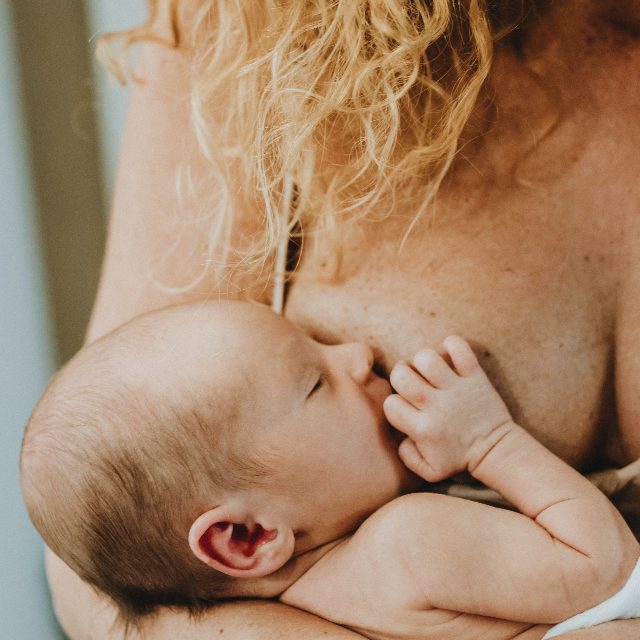
If you breastfeed, you may have experienced the discomfort of sore and cracked nipples in breastfeeding. It is a common issue, often caused by an improper latch. But here’s the good news: you don’t have to give up breastfeeding because of it! Cracked nipples in breastfeeding are usually a sign that your baby’s latch needs a little tweaking to make feeding more comfortable and successful.
In this article, we’ll dive into what causes cracked nipples in breastfeeding and share some remedies to help ease the discomfort. We’ll also offer tips on managing symptoms of cracked nipples in breastfeeding and how to prevent further damage. So, let’s get started on making breastfeeding a more comfortable experience for both you and your little one!
How Do Cracked Nipples In Breastfeeding Occur?

Statistically, 38% of those who have trouble breast-feeding or chest-feeding have sore or cracked nipples. Future breastfeeding sessions can become uncomfortable as a result.
Cracked nipples in breastfeeding are uncomfortable fractures that can develop in either or both breasts. Breastfeeding usually brings on cracks. Even if you desire to continue nursing, cracked nipples might become so painful that you may be unable to do so.
Red, itchy, and scabbed skin on or near the nipple is a sign of cracked nipples. You can prevent and treat cracked nipples in breastfeeding by avoiding harsh soaps, chemicals, and tight clothes.
Causes Of Cracked Nipples In Breastfeeding
- Improper latching is the common cause of cracked nipples in breastfeeding. When a baby doesn’t latch onto the breast properly during breastfeeding, it can affect milk transfer and put a strain on the nipple, leading to discomfort and cracking.
- Misuse of a Breast Pump: Using a breast pump with incorrect settings or improperly fitting flanges (breast shields) can cause cracked nipples in breastfeeding and nipple soreness due to excessive suction.
- Engorged Breasts: Changes in your body during pregnancy can lead to cracked nipples in breastfeeding. Breast engorgement, where your breasts become overly full with milk, can cause stretching and eventual cracking of the nipple tissue.
- Friction When Exercising: Vigorous activities like cycling or jogging can cause nipple fissures due to friction between your skin and clothing. Surfers can also experience cracked nipples in breastfeeding from repeated contact with surfboards. Cold weather and erect nipples can exacerbate the effects.
- Skin Problems: Allergic reactions triggered by chemicals in products such as soap, lotion, or laundry detergent can lead to cracked nipples. If you have eczema, a skin condition, your skin may become dry and cracked.
How Can Cracked Nipples In Breastfeeding Be Treated?
Rinse with Salt Water:
To provide hydration and promote healing, you can create a homemade saline solution by warming 8 ounces of water with 1/2 teaspoon of salt. After breastfeeding, soak your nipples in a small bowl of warm saline solution for about a minute. Alternatively, you can apply the solution evenly to the entire nipple using a squirt bottle. Gently pat dry afterward. Remember to prepare a fresh batch of saline solution daily to reduce the risk of bacterial infection. If your baby doesn’t like the taste, rinse your nipples before feeding.
Use Freshly Expressed Breast Milk:
Applying freshly expressed breast milk to cracked nipples can provide antibacterial protection and aid in healing. After cleaning your hands, apply a few drops of breast milk to your nipples following each feeding session.
Change Nursing Pads Frequently:
It is important to promptly replace wet nursing pads to avoid prolonging the healing process. Moisture on your nipples can impede healing. Opt for nursing pads made of cotton rather than those with plastic linings to allow for better ventilation.
Apply an Antibiotic Cream as Directed:
If you have a cracked nipple, consult your doctor for guidance. They may prescribe or recommend an over-the-counter antimicrobial cream. In many cases, you do not need to remove these creams unless your baby objects to the taste.
Warm Compress:
Using a warm compress after breastfeeding can provide soothing relief, although it does not have antibacterial benefits. Dip a washcloth in warm water, squeeze out the excess liquid, and gently place it over your breast and nipple for a few minutes. Pat dry with care afterward.
Put on Medical-grade Lanolin Cream:
A lanolin ointment created especially for nursing women will aid in cracked nipple healing. You don’t have to take it off before feeding your kid.
Utilize Breast Shell:
Sometimes the pressure of wearing a bra is too much for your sore nipples or a scab attaches to your bra and has to be painfully peeled off.
To establish a space between your breast and the bra, try wearing a plastic breast shell inside your bra.
However, if your breasts are engorged, avoid using breast shells. Wearing them next to an engorged breast could reduce milk production and cause duct blockages. Wash breast shells after each wear as well.
Try Hydrogel Dressings Made for Healing Cracked Nipples:
These pads promote healing and provide comfort. To prevent bacteria from your fingertips from getting trapped under the pad, try to avoid touching your areola or nipple before putting the pad.
Additionally, avoid combining them with other topical products like lanolin or if you have a yeast infection. Keep the hydrogel pads in the fridge to add to the cooling effect.
Utilize Painkillers:
To help with pain relief, take ibuprofen or acetaminophen approximately 30 minutes before nursing.
Standard doses of these drugs are safe for nursing mothers to use.
Be Mindful of Your Nursing Bras:
Invest in comfortable nursing bras that fit you properly, are made of natural materials, and won’t irritate your skin.
Make sure there are no rubbing seams and that they are not excessively tight. Do not wear underwired bras. Also, rinse your nursing bras well after each wash with unscented laundry detergent.
Consider LED Therapy:
There is some evidence to support the use of Light-emitting Diode therapy for the treatment of cracked nipples in breastfeeding.
It contains anti-inflammatory qualities, promotes tissue repair, and lessens pain. LED therapy is painless, non-invasive, and effects-free. If you’re interested, ask your doctor for a recommendation to a doctor who provides this.
Maintain Cleanliness:
Bacteria can easily infiltrate skin that is fragile and damaged. Wash your hands thoroughly before touching your cracked or bleeding nipples to avoid spreading infection.
Before expressing milk or putting expressed milk, lanolin, lotions, or hydrogel pads on your breasts, wash your hands with soap and warm water for 20 seconds
Prevention Of Cracked Nipples In Breastfeeding

- Make sure your infant is latching on to the breast properly. The baby’s mouth should cover your nipple completely as well as the majority of the areola. If you’re unsure whether your infant is latching properly, you should speak with a lactation expert as soon as possible.
- Before feeding your infant, hand-express a modest bit of breast milk to prevent engorged (overfull and hard) breasts. Your baby may find it more challenging to successfully latch if the breasts are engorged.
- To avoid dryness, always use warm water to wash your breasts and steer clear of harsh soaps.
- You can use nipple cream, or breast milk can be let too dry on the breasts.
- Wearing breast pads made of natural materials might be a good idea as they can lessen friction on the breasts.
- Always let your child naturally wean himself from the breast.
Tips For Cracked Nipples In Breastfeeding
Even if a parent’s nipples are cracked, they can usually keep breastfeeding while they recover.
To achieve this;
- Keep switching up the breastfeeding positions. This can ease the strain on the nipples and assist you in determining the position that is most comfortable for you and your infant.
- As soon as the breast milk is down, start nursing on the side that is less sore. Then, flip to the other side, where the milk will flow out more easily and your baby won’t need to suck as hard.
- After breastfeeding, apply breast milk or lanolin to the nipples and let them air dry.
- To allow the nipples to recover while continuing to nurse, a lactation consultant may occasionally advise wearing a silicone nipple shield.
How To Address Cracked Nipples In Breastfeeding
- Check your child’s latch. One method to do this is to align your baby’s nose with your nipple so that when he opens his mouth, his bottom jaw is far from the base of your nipple.
- Once the baby’s mouth is opened, quickly embrace them. Bring your infant to your breast, not the other way around. Your nipple ought to be covered deep inside your infant’s mouth.
- Examine various nursing positions. You could discover that some positions are far cozier for your infant and facilitate proper latching.
- Before nursing, briefly numb the cracked nipple area with a cold pack. Particularly during the first latch, which usually hurts the most, cold can help numb the discomfort.
- Frequently breastfeed. By nursing every two to three hours, engorged breasts can be avoided. Your infant will find it more difficult to latch on to an engorged breast.
- When the breast is engorged, pump first before nursing. Using a hand pump, which is milder than an electric pump, for a minute or two before breastfeeding will assist to prepare the nipple for easier latching.
- Try “reverse pressure softening” if your nipples are flat or inverted, or if your breasts are engorged.
- If you have a less cracked nipple, start nursing there first. Since babies will be less hungry on the second side, babies frequently nurse more gently.
- If pumping is more pleasant than nursing, think about pumping on the cracked nipple and breastfeeding on the other.
- Reduce the amount of time you breastfeed. Even when they are not receiving milk, some babies will continue to suck, which might irritate your nipples. When your baby is no longer swallowing, pay attention to his breathing and gently remove him from your breast.
When to Call the Doctor For Cracked Nipples In Breastfeeding?
- If, after 24 hours, a cracked nipple is still uncomfortable or has a bloody discharge, don’t hesitate to consult your doctor.
- You observe an extremely sensitive blister, fever, inflammation, oozing, pus, or other infection-related symptoms.
- Your areola, nipple, or both are glossy, flaky, or burning.
- Your nipple hurts, and it spreads to your breast.
- Breastfeeding is made more difficult by painful, cracked, or bleeding nipples.
Is It Safe To Breastfeed With A Cracked Nipple?
Yes. It won’t hurt your baby if he swallows some blood, even if you see it leak into his diaper. You could notice that your breast milk has a pink tint to it if you pump. But your kid won’t be hurt by the blood from your cracked nipples.
However, if you have any of the following: Don’t nurse until your nipples are healed;
- Hepatitis C: If your nipples are cracked or bleeding, you should temporarily cease nursing until you receive therapy since the infection can spread through contaminated blood.
- Toxoplasmosis: If you have cracked or bleeding nipples within a week or two of becoming sick, it is medically feasible that the parasite could spread to your kid during breastfeeding.
Conclusion
When a baby is learning to nurse, it may take time and effort to achieve a proper latch onto the breast. This can lead to itchiness and sensitivity in the nipple due to friction. Additionally, the nipple may dry out, resulting in skin cracks and even bleeding.
To prevent recurring issues with cracked nipples in breastfeeding, it is crucial to identify the underlying causes. Seeking support from a trained lactation consultant can be immensely helpful. They can evaluate your latching technique and breastfeeding methods, as well as assess your baby’s sucking patterns and strength.
It is also beneficial to educate yourself on proper breastfeeding techniques before leaving the hospital with your baby. Don’t hesitate to reach out to your doctor or a lactation consultant if you encounter cracked nipples in breastfeeding while nursing your child. They can provide valuable guidance and support to ensure a successful breastfeeding experience while minimizing the risk of cracked nipples.

Leave a Reply
You must be logged in to post a comment.