
Experiencing unexpected breakouts on the skin can be a source of worry and uncertainty. It can be challenging to determine herpes vs ingrown hair.
In this informative article, we will delve into the distinctions between herpes and ingrown hair. We will explore the various types of herpes and provide insights into the treatments available for both conditions. By the end, you will have a clearer understanding of these skin concerns and how to address them effectively.
Understanding Herpes And Ingrown Hair
Herpes is a fluid-filled blister either around your sex organ or around your mouth, while ingrown hair refers to hair growth in an unusual direction, or blocked hair that can’t get through the surface of your skin.
What Are The Types Of Herpes?
There are majorly two types of herpes: oral and genital. They are both common and usually caused by viruses.
1. Herpes Simplex Virus (HSV-1) Or Oral Herpes
Herpes Simplex Virus type 1 causes sores (cold sores or fever blisters) around the mouth and lips. Oral herpes might show no symptoms in some people, but it’s common to notice cold sores or blisters around the mouth. It is caused by herpes simplex virus type 1.
The American Sexual Health Association estimates that roughly half of all adults in the United States have oral herpes.
HSV-1 which commonly affects facial nerve cells is by far the scarier version of the virus. HSV-1 can spread to the eye, causing ocular herpes—which may result in blindness. Even worse, HSV-1 has occasionally been known to attack the brain, creating a condition known as herpes encephalitis.
You can infect your partner when he or she comes in contact with your saliva. Transmission can occur during close contact, such as kissing or sharing personal items, like lipstick or eating utensils. Oral herpes can happen as early as age 14. It can be transmitted to the genitals during oral sex.
2. HSV-2 Or Genital Herpes
HSV-2 can be transmitted to the mouth through oral sex. It is caused by both herpes simplex type 1 and type 2. This type of herpes causes sores around the private part. The Centers for Disease Control and Prevention (CDC) estimates that among people ages 14 to 49 years old, more than 1 out of every 6 have genital herpes.
According to the Mayo Clinic, females have a higher chance of being infected since it’s easier for genital herpes to be transmitted from a male to a female.
What Are The Symptoms Of Herpes And When Should You Be Alarmed?
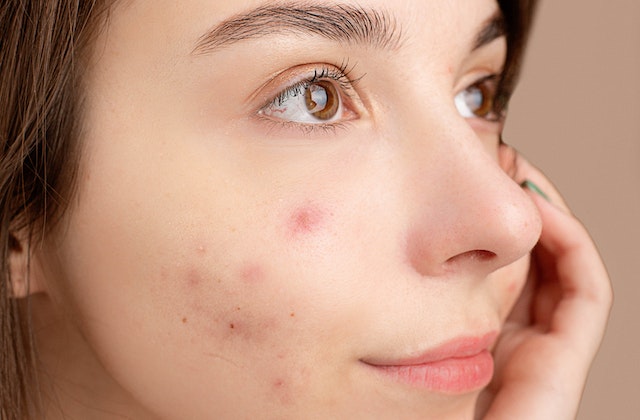
Symptoms of herpes can vary among individuals, with some experiencing immediate signs while others may live with the infection for years without obvious symptoms. The onset of symptoms can be gradual, eventually becoming more severe over time. For HSV-1, common symptoms include fluid-filled blisters, itching, a burning sensation before the sores appear, flu-like symptoms, and discomfort during urination.
The sores may tingle, sting, or burn, and when located in or around the mouth, they can become painful while eating or drinking. Typically, these sores will heal within a few weeks, and subsequent outbreaks may occur within a week of the initial one, although some individuals may have longer intervals between outbreaks. It’s important to note that contracting genital herpes is possible even if one has HSV-1.
As for HSV-2, the main sign is the presence of lesions that can appear on the vulva, penis, anus, thighs, vagina, cervix, or testicles. These blisters can break and develop into sores, leading to itchiness, genital pain, and discomfort during urination, particularly if urine comes into contact with the sores. In some cases, the infection may not manifest as severe lesions but rather resemble pimples or small insect bites. Females might also experience vaginal discharge similar to a yeast infection.
During the first outbreak, flu-like symptoms can occur, including headaches, general achiness, fatigue, fever, chills, and swollen glands in the throat, underarms, or groin area. It’s essential to seek medical attention for proper diagnosis and treatment if you suspect a herpes infection.
Symptoms Of Ingrown Hair
Herpes and ingrown hair are different in many ways especially when it comes to the symptoms. Here are some signs that indicate you might have ingrown hair:
- The sores of ingrown hair accumulate at a spot
- Small red bumps with a pimple-like head
- Constant itching
- Tender bumps
- Inflammation and soreness
- White pus if the sore is squeezed or ruptured.
A blocked hair follicle may develop into an infection. That’s why some ingrown hairs develop white pus-filled bumps on the surface. The infection can cause additional irritation and soreness.
If you inspect ingrown hair closely, you may see a shadow or thin line in the center of the sore. That’s often the hair that’s the root of the problem. However, not every ingrown hair is visible from the outside, so don’t rule out the possibility of an ingrown hair just because you don’t see the line or shadow.
Ingrown hairs will typically go away on their own, and the sore will clear up once the hair is removed or breaks through the skin.
What Causes Ingrown Hair
Waxing, shaving, or plucking hair from the body can affect the new hair that grows in its place, causing abnormal growth. The new hair may grow sideways and eventually curl back down.
When this happens, the hair follicle can close over the hair, so it becomes stuck, or ingrown. The skin responds by becoming inflamed, treating the curled-back hair as a foreign object.
You may also be at greater risk for developing bumps with ingrown hairs if you have naturally curly hair.
Herpes Vs Ingrown Hair
| Herpes | Ingrown Hair |
| Waxing or shaving has nothing to do with herpes | Waxing, shaving, or plucking hair can increase the risk of developing ingrown hairs in your genital area, but some hairs just grow in unusual ways. |
| This can be sexually transmitted | Cannot be sexually transmitted |
| Herpes needs proper medication to go away | Ingrown hairs will typically go away on their own, and the sore will clear up once the hair is removed or breaks through the skin. |
| Herpes cannot be permanently treated as there is a chance of reoccurrence | It can be a one-time occurrence. |
| Herpes grows as lesions or group blisters. | Ingrown hairs typically develop as isolated lesions or bumps. They don’t grow in clusters or groups. You may have more than one ingrown hair at once. This is more likely after you shave or wax the hair around your vagina or penis. |
| Herpes can also be transmitted to your eyes. This can cause pain, tearing, and light sensitivity. You might also have blurry vision and redness around the eye. | Ingrown hair is not contagious |
Treatment For Ingrown Hair Vs Treatment For Herpes
Anti-inflammatory treatments like soaks, scrubs, and serums can help to reduce inflammation after ingrown hairs occur; it is better to treat their root cause to have a lasting solution. However, the best method is gentle daily exfoliation and moisturizing with natural ingredients which are given below:
1. Coconut Oil Plus Sugar Scrub
Coconut oil is an excellent moisturizer and reduces inflammation. To use it as an exfoliant, mix it with raw sugar and apply it on the spot of the ingrown hair till you begin to see results.
2. Aspirin And Aloe Vera Gel
Aspirin which naturally contains salicylic acid and aloe vera gel helps prevent infection, reduce bacteria, aid proper skin cell turnover, and prevent blockage of hair follicles. Both will help to fight infection and reduce swelling when applied to your skin.
It should be applied on the spot at night and should not be used during pregnancy or at any time your skin is sensitive.
3. Baking Soda-Oatmeal Treatment
Baking soda is an excellent exfoliator; it helps to reduce and prevent ingrown hairs. Oatmeal has a soothing effect, reducing redness and irritation caused by exfoliation.
The following are treatments for herpes:
- Anti-Retroviral Drugs: This drug can be used to take care of the symptoms that herpes comes with and not permanently take it away.
- Famciclovir: This is also used to slow down the spread of the herpes virus symptoms or stop it altogether.
- Abreva: This is an over-the-counter medicine. It is good for cold sores. It won’t get rid of them, but it’s known to strengthen the cell membranes and prevent a breakout from becoming worse.
What Does A Herpes Outbreak Feel Like?
Symptoms of herpes typically appear within two weeks of contracting the infection, and they can vary from person to person. Initially, flu-like symptoms may manifest, followed by itching or discomfort around the genitals or mouth before the appearance of lesions. Subsequent outbreaks are often easier to treat and may have less severe symptoms.
It is a common misconception that herpes is only contagious during an outbreak. In reality, the infection can be transmitted even when there are no visible signs, as individuals can have herpes without being aware of it. Therefore, open communication with sexual partners is crucial before making assumptions or placing blame.
Dealing with herpes can bring about emotional challenges, particularly if you have been diligent in taking care of your body and suspect that your partner may have been the source of the infection. It can be a difficult situation to navigate, and seeking support and understanding from healthcare professionals, counselors, or support groups can help cope with these emotions.
What Causes Or Triggers The Recurrence Of Herpes?
If you have experienced an initial outbreak of herpes, it is possible to have subsequent outbreaks triggered by factors such as stress, fatigue, poor nutrition, friction in the genital area, or excessive sun exposure. It is important to monitor your body and identify your triggers to minimize the likelihood of future outbreaks.
Recognizing the signs that indicate an impending herpes outbreak can be beneficial. Common early warning signs include tingling, itching, and pain, which may occur 1 or 2 days before the appearance of blisters.
The frequency of outbreaks can vary from person to person. If you have HSV-2, you may experience four or five outbreaks per year, but this can differ for each individual. Over time, the frequency of outbreaks may decrease. On the other hand, those with HSV-1 tend to have fewer outbreaks overall.
How To Make Herpes Bearable
Any discomfort in the body can be worrisome until all your symptoms go away. but here are some things you can do to stay sane during that phase:
- Start by looking out for others and avoid body contact or sharing personal belongings like razors, spoons, or pants until the blisters are gone.
- Keep your hands away from the blisters because you can transmit them to another part of the body and ensure to wash your hands thoroughly.
- Always practice good hygiene. Keep the entire area clean and dry. However, if you have genital lesions, don’t soak them in the bathtub.
- Wear loose, breathable underwear while you have genital lesions.
- Stress can trigger it, so as much as you can, get some rest.
- Do not overlook it and try to manage it by yourself, get proper medical treatment.
- Herpes can be treated with antiviral medications, which may help you have fewer, shorter, and less severe outbreak
How To Determine If It’s Herpes Or Ingrown Hair
It is not a thing of surprise that these bumps that appear on the body can be quite confusing to differentiate. To make a proper diagnosis, a medical test must be done. A blood test can determine if you have HSV.
Also, your doctor may do a full STI screening test to rule out other possible causes. If these results come back negative, your doctor may look for other possible explanations which include ingrown hair.
However, keep in mind that ingrown hair is a very common cause of bumps in your genital area. Talk with your doctor if you have any concerns. They can help put your mind at ease.
Last Words
An ingrown hair typically resolves on its own within a few weeks. It is important to maintain cleanliness in the affected area to prevent the buildup of dead skin cells, which can aid the hair in resurfacing properly through the skin. It is crucial to resist the temptation to squeeze or pick at the sore, as this can worsen the infection and potentially lead to scarring.
Similarly, herpes lesions may disappear spontaneously within a few days or weeks, but they tend to recur. The frequency of herpes outbreaks varies among individuals, with some experiencing frequent episodes and others having only a few per year. If you are unable to determine the cause of your bumps or if they persist for an extended period, it is advisable to consult a doctor for proper evaluation and guidance.

Leave a Reply
You must be logged in to post a comment.