
Did you know that kids can feel stress just like adults—but with fewer words to explain it? From tummy aches before school to sudden outbursts over little things, anxiety in children can show up in surprising ways. Helping kids cope with anxiety doesn’t have to feel scary or clinical. In fact, it can be empowering, playful, and even a little fun (yes, really!).
You’re not expected to have all the answers—but with the right tools, you can become your child’s safe place. Helping kids cope with anxiety starts with understanding what’s going on beneath the surface and knowing how to respond with calm, connection, and confidence.
Whether your child is nervous about school, struggles with new situations, or is going through a big life change, there are practical things you can do today to help them breathe easier—literally and emotionally. And the good news? You don’t need to be a therapist to make a big difference.
In this guide, we’ll share five practical, heart-centered ways for helping kids cope with anxiety, starting from the inside out. Let’s turn those nervous jitters into self-assurance, one small step (and hug) at a time.
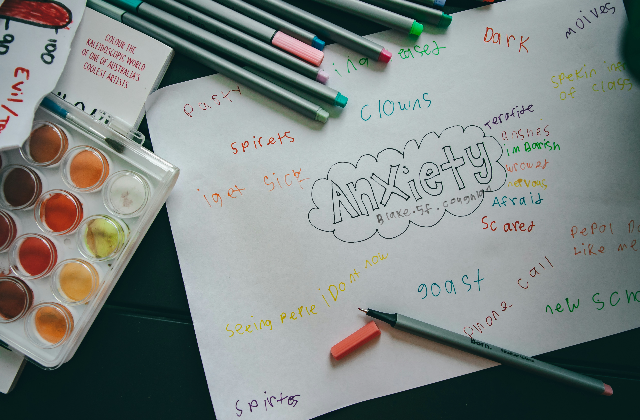
Create a Calm-Down Corner They’ll Actually Want to Use
One of the easiest and most effective strategies for helping kids cope with anxiety is setting up a calm-down corner. And no—it’s not a timeout spot. It’s a cozy, fun, safe space where your child can retreat when big feelings start bubbling up.
Think soft cushions, favorite stuffed animals, coloring books, noise-canceling headphones, or even a small sensory toy bin. Helping kids cope with anxiety often starts with giving them the space to feel their emotions without judgment. A calm-down corner offers just that.
Let your child help decorate it. When they feel ownership of the space, they’re more likely to use it. Add signs like “Breathe Here” or “You’re Safe.” These gentle prompts can help shift their mood when they’re feeling overwhelmed.
Consistency is key when helping kids cope with anxiety. Encourage your child to use the calm-down corner before a meltdown, not just after. Over time, it becomes a go-to tool, not a last resort.
You don’t need a huge room or fancy tools. Even a small nook under a table works! What matters is that your child feels safe and in control. Helping kids cope with anxiety gets easier when they know there’s always a soft place to land—literally and emotionally.
Use Play to Talk About Big Feelings
Play isn’t just for fun—it’s a superpower when it comes to helping kids cope with anxiety. While you might not always get your child to open up during serious sit-down talks, a little roleplay with dolls or building blocks. That’s where the magic happens.
Helping kids cope with anxiety means meeting them on their level. And their level is playtime. Through pretend games, puppet shows, or storytelling, your child can safely explore worries, fears, and even things they don’t have the words for yet.
You could start by giving their favorite stuffed animal a problem to solve. “Teddy is scared of the dark—what should we do?” Suddenly, your child becomes the helper. They get to guide Teddy through fear, offering solutions like nightlights, hugs, or breathing slowly. Guess what? Those same tools start to feel familiar and safe to them, too.
Helping kids cope with anxiety through play builds emotional literacy. It shows them that fear isn’t something to hide—it’s something to talk about, act out, and understand. You’ll start hearing things like, “I’m feeling like Teddy today,” and that’s your cue: they trust you enough to talk about it.
So pull out the toy bin, get a little silly, and remember—when words fail, play speaks volumes.
Build a Calm-Down Toolbox Together
When it comes to helping kids cope with anxiety, having a calm-down toolbox is a total game-changer. Think of it like a superhero kit—only instead of capes and lasers, it’s filled with soothing tricks that bring big feelings down to size.
You and your child can build this toolbox together. That’s part of the fun—and the power. Giving them a say in what goes inside gives them a sense of control, which is key when helping kids cope with anxiety. It turns “I’m scared” into “I know what helps.”
What can you include? Start simple. A squishy stress ball. A soft blanket. A favorite book. Maybe a set of colored pencils and a notepad for drawing their feelings. Even a playlist of calming songs can go a long way. You can also print out a little card with breathing exercises or a “count to five” routine.
Don’t forget a personal touch—maybe a photo of a happy day or a handwritten note from you. When helping kids cope with anxiety, comfort often comes in small, familiar details.
And the best part? They’ll use it. When emotions get stormy, the toolbox becomes their anchor. It teaches them self-regulation in the most empowering way. So grab a box, fill it up with love, and show your child that calm is just a reach away.
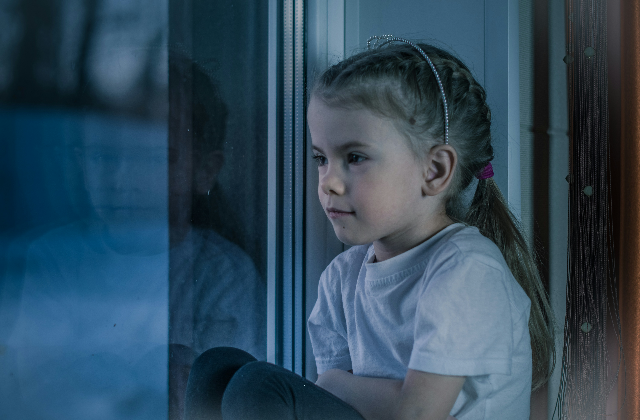
Normalize Talking About Feelings
One of the most powerful ways of helping kids cope with anxiety is by making emotions a normal topic, just like brushing their teeth or packing a lunch. When your child feels safe to talk about how they feel, they’re more likely to open up when anxiety shows up.
You can start by naming your own emotions. Say things like, “I felt nervous before my meeting today” or “That made me a little anxious, but I took deep breaths.” This shows your child that feeling anxious is totally normal and manageable.
Ask open-ended questions, too. Instead of “Are you okay?” try “What was the hardest part of your day?” or “Did anything today make your tummy feel funny?” When helping kids cope with anxiety, the goal is to get them talking without pressure.
Also, avoid rushing to “fix” everything. Sometimes, kids just need to feel heard. A simple “That sounds hard” or “I’m here for you” can be more comforting than any solution.
The more you talk about feelings—at the dinner table, during bedtime stories, or in the car—the more it becomes second nature. And when helping kids cope with anxiety, creating that emotional space is the best gift you can give. Keep it casual, keep it kind, and keep the conversation going.
Encourage Calm-Down Routines That Actually Work
Helping kids cope with anxiety isn’t just about reacting to meltdowns—it’s about teaching them tools they can use anytime, anywhere. One of the best tools? A calm-down routine that feels comforting, familiar, and even a little fun.
Start with a simple breathing exercise. Teach your child to inhale like they’re smelling a flower and exhale like they’re blowing out birthday candles. It’s easy, it’s visual, and it gives them a sense of control—something anxiety often takes away.
You can also create a calm-down corner. Pick a quiet spot in your home and fill it with soft pillows, fidget toys, books, or even calming music. This space gives your child a safe retreat when emotions run high. Just knowing it’s there can help reduce their anxiety before it escalates.
Another great idea? A calm-down kit. Fill a small bag or box with favorite sensory items—like stress balls, bubbles, a squishy toy, or a comforting note from you. When your child starts to feel overwhelmed, they’ll know exactly where to go and what to do.
Helping kids cope with anxiety becomes so much easier when they know how to soothe themselves. By building a routine that’s consistent and personalized, you’re giving them tools they’ll carry for life.
Helping kids cope with anxiety doesn’t have to feel overwhelming. With the right tools, consistent support, and a whole lot of love, you can help your child feel safe, seen, and strong. Every deep breath, every encouraging word, every moment spent listening matters more than you know. By teaching your child how to name their feelings, create calm-down routines, and find joy in little moments, you’re setting them up for emotional resilience that lasts a lifetime. Keep showing up, keep trying, and know this—you’re doing an incredible job. Anxiety may visit, but with you by their side, it won’t stay for long.

Leave a Reply
You must be logged in to post a comment.