
Understanding how to use fluoride toothpaste for toddlers is super important for their dental health. Despite all the talk, fluoride is still recommended by the American Dental Association for kids and adults alike.
Fluoride does wonders for preventing cavities by strengthening tooth enamel and keeping decay at bay. Plus, it helps fight off those pesky oral bacteria and keeps those little teeth strong.
In this article, we’ll dive into fluoride toothpaste for toddlers, explore some alternatives, and chat about the best ways to keep those smiles sparkling. Let’s keep those little ones grinning from ear to ear!
What Is Fluoride Toothpaste For Toddlers?
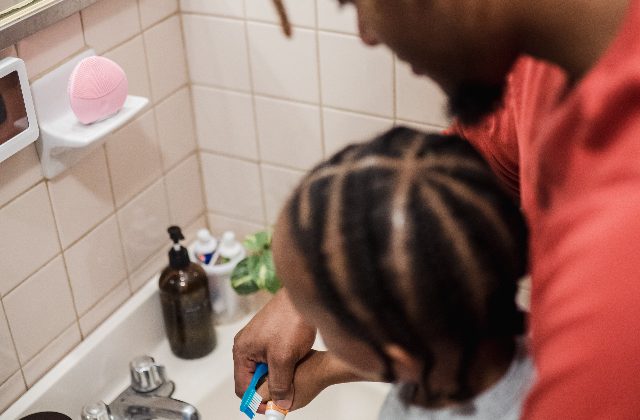
Fluoride toothpaste for toddlers provides significant oral health benefits. It contains fluoride, a mineral found in various foods, rocks, soil, and water sources.
According to the American Dental Association (ADA), the most commonly used active ingredients in fluoride toothpaste in the United States are sodium fluoride, sodium monofluorophosphate, and stannous fluoride.
Fluoride concentrations in over-the-counter fluoride toothpaste typically range from 1,000 to 1,500 ppm. According to the American Dental Association (ADA), dental professionals frequently recommend prescription-strength fluoride toothpastes that contain 5,000 ppm fluoride.
Fluoride toothpastes for toddlers are available in different varieties to address specific needs. There are toothpaste formulated for gum disease, teeth sensitivity, plaque buildup, and teeth whitening
Is Flouride Toothpaste For Toddlers Safe?
Starting good dental health is crucial for children. Wiping a baby’s mouth with a soft towel can assist in reducing bacteria before their teeth grow.
The American Academy of Pediatrics advises switching to a fluoride-containing toothpaste and toothbrush as soon as a child’s teeth begin to grow. However, infants just require a little smear of toothpaste, hardly larger than a grain of rice.
Before these recommendations, which were revised in 2014, it was previously advised to use fluoride-free toothpaste until children were 2 years old.
Also, while brushing your baby’s teeth, try tilting your baby’s head slightly downward to reduce the chances that he may swallow any toothpaste.
It’s all right if your newborn or toddler accidentally swallows part of this tiny bit of toothpaste. Swallowing a small amount of toothpaste shouldn’t be a problem as long as you’re using the proper dosage.
If you use more and your child swallows it, he could experience stomach discomfort. Although this is probably not harmful, it wouldn’t hurt to contact poison control just to be careful.
Is Flouride Toothpaste For Toddlers Harmful?
The American Dental Association (ADA) suggests fluoride toothpaste for both kids and adults since it is both secure and effective at preventing tooth decay.
The majority of municipal water systems in communities also include fluoride. According to the Centers for Disease Control (CDC), fluoridating municipal water supplies may reduce tooth decay by 25%.
The American Academy of Pediatrics (AAP) advises applying a thin layer of fluoride toothpaste to children under 3 years old to ensure their safety and prevent ingestion.
Using more than recommended fluoride toothpaste for toddlers can lead to ingestion by a toddler causing problems like upset stomach or other health problems.
A pea-sized amount of fluoride toothpaste is safe for children aged 3 to 6, but it’s important to watch them use it. Overall, fluoride toothpaste for toddlers is safe for kids as long as they use it as directed and avoid swallowing it.
Benefits Of Flouride Toothpaste For Toddlers
Fluoride toothpaste for toddlers offers several benefits for toddlers’ oral health:
- Prevention of Tooth Decay: Bacteria in the mouth produce acids that attack tooth enamel and cause decay. Fluoride in toothpaste strengthens teeth and helps protect against these damaging microorganisms, reducing the risk of cavities.
- Fresh Breath: Fluoride promotes saliva production, which helps wash away bacteria and neutralize unpleasant odors. By preventing tooth deterioration, fluoride toothpaste helps maintain fresh breath by combating the underlying causes of bad breath.
- Strengthening and Protection: Fluoride strengthens teeth and enhances their resistance to acid erosion. This is particularly important for toddlers, as their developing teeth are more vulnerable to acid attacks from oral bacteria. By increasing resistance to mineral loss, fluoride helps shield teeth from cavities, sensitivity, gum disease, and other oral health issues.
- Remineralization of Enamel: Fluoride has the remarkable ability to promote remineralization of enamel. It encourages the formation of a substance called calcium fluorapatite, which makes teeth more resistant to acidic degradation. This helps prevent early tooth decay and supports overall tooth health.
- Promotion of Healthy Gums: The antibacterial properties of fluoride contribute to the promotion of healthy gums. It inhibits the ability of bacteria to adhere to the gums and tooth surfaces, reducing the risk of gum disease. By supporting gum health, fluoride toothpaste plays a vital role in maintaining a healthy oral environment for toddlers.
Using fluoride toothpaste for toddlers provides a range of benefits, including preventing tooth decay, freshening breath, strengthening and protecting teeth, promoting remineralization of enamel, and enhancing gum health. By incorporating fluoride toothpaste into a regular oral hygiene routine, parents can help ensure their toddlers’ oral health and overall well-being.
Safety Measures Of Flouride Toothpaste For Toddlers

- Avoid Overdose: While fluoride toothpaste for toddlers is generally safe, it can be harmful if consumed or ingested in excessive amounts. Although rare, fluoride overdose can have serious consequences. If someone, including a toddler, consumes too much fluoride, it is important to seek immediate medical attention. Symptoms of fluoride overdose may include nausea, vomiting, weakness, seizures, diarrhea, unusual taste, drooling, difficulty breathing, and slow heartbeat.
- Adhere to Dosage Guidelines: The American Dental Association (ADA) provides dosage guidelines for fluoride toothpaste for toddlers. For children under two years old, a smear of toothpaste, approximately 0.1 grams or 0.1 milligrams of fluoride, is recommended. For children between two and six years old, a pea-sized amount, approximately 0.25 grams or 0.25 milligrams of fluoride, is recommended.
- Seek Medical Help for Fluoride Toxicity: Excessive fluoride intake, particularly before the age of eight when teeth are still developing, can lead to dental fluorosis. Dental fluorosis often manifests as white spots on the outer surface of the teeth. To avoid fluorosis, it is important to follow the recommended dosage guidelines for fluoride toothpaste based on age. According to the Centers for Disease Control (CDC), less than one in four individuals aged six to 49 have fluorosis.
- Stick to Recommended Age Range: The ADA recommends using fluoride toothpaste with a fluoride content of 1,000 parts per million (ppm) or less for children under three years old. The recommended amount for this age group is about the size of a rice grain or a smear. For children above the age of three, fluoride toothpaste with a fluoride content of 1,350-1,500 ppm is recommended, using approximately the size of a pea. It is important to brush teeth twice a day for all age groups.
- Supervise Toddler’s Brushing: It is essential to supervise toddlers while they brush their teeth to ensure they are using the toothpaste appropriately and not ingesting excessive amounts. This supervision helps reduce the risk of fluoride toothpaste ingestion and potential poisoning. Additionally, making tooth brushing a fun and positive experience for children and emphasizing the importance of good dental hygiene can encourage their cooperation and understanding.
How To Select Flouride Toothpaste For Toddlers
When selecting a fluoride toothpaste for toddlers, it’s important to prioritize safety and effectiveness. Follow these tips to choose the best fluoride toothpaste for toddlers:
- Look for the ADA Seal of Acceptance: The American Dental Association (ADA) Seal of Acceptance ensures that toothpaste has undergone rigorous testing for safety and effectiveness. Select a toothpaste that bears this seal to ensure it meets the ADA’s standards.
- Choose an Appealing Flavor: Make brushing more enjoyable for your toddler by letting them choose a toothpaste flavor they like. Opt for flavors that taste fantastic and appeal to your child’s preferences. This can make brushing their teeth a fun and engaging experience.
- Select a Fluoride Toothpaste: Ensure that the toothpaste you choose contains fluoride. Fluoride offers numerous oral health benefits, including strengthening teeth and preventing tooth decay. It is an essential ingredient in toothpaste for effective dental care.
- Avoid Abrasive Formulations: Look for fluoride toothpaste that is not overly abrasive to avoid harming tooth enamel. Some toothpaste, especially those with whitening properties, may contain chemicals that can be abrasive, which may not be suitable for young children with developing teeth. Opt for toothpaste specifically formulated for children that are gentle on their teeth.
What Age Should Toddlers Start Seeing A Dentist
It is highly recommended to take children to the dentist before their first birthday. This early dental visit serves multiple purposes in ensuring optimal oral health:
- Early Detection of Dental Problems: Visiting the dentist at a young age allows for the early identification of any potential dental issues. Even though primary teeth are temporary, they play a crucial role in a child’s development and oral health. The dentist can examine the child’s mouth, monitor tooth eruption, and identify any signs of tooth decay, gum disease, or other oral conditions.
- Establishing Positive Habits: Introducing children to dental visits at an early age helps in establishing positive oral hygiene habits. By starting dental care early, parents can teach their children the importance of regular brushing, flossing, and dental check-ups. This sets the foundation for a lifetime of good oral health practices.
- Building a Positive Relationship with the Dentist: Early dental visits allow children to become familiar with the dental environment and build a positive relationship with the dentist. By creating a comfortable and friendly experience, pediatric dentists specialize in making young patients feel at ease during their visits. This helps reduce dental anxiety and promotes a positive attitude towards dental care.
- Specialized Pediatric Dental Care: Pediatric dentists have specialized training in caring for infants, children, and adolescents. They understand the unique dental needs of young patients and can provide appropriate treatments and preventive care tailored to their age and development. Pediatric dental offices are often designed to be child-friendly, with colorful decor, toys, and a welcoming atmosphere.
Recommendation For Flouride Toothpaste For Toddlers
When choosing fluoride toothpaste for toddlers, it is important to consider their safety and specific oral health needs. Here are some recommendations for fluoride toothpaste for toddlers:
- Look for toothpaste with the ADA Seal of Acceptance to ensure safety and effectiveness.
- Select a toothpaste specifically formulated for toddlers, with a lower fluoride concentration suitable for their age.
- Opt for a kid-friendly flavor that your toddler will enjoy to make brushing more enjoyable.
- Choose a non-abrasive toothpaste to protect their developing tooth enamel.
- Consider toothpaste with added benefits like cavity prevention or sensitivity relief, based on your toddler’s individual needs.
Conclusion
Fluoride toothpaste is widely recommended for both children and adults due to its effectiveness in preventing tooth decay. However, it is crucial to use it correctly, especially when it comes to toddlers and young children.
Childhood tooth decay has become a significant concern and is one of the most common chronic diseases among children. To combat this, fluoride toothpaste for toddlers is an excellent choice. Clinical studies have demonstrated that fluoride strengthens tooth enamel, prevents decay, and can even reverse early signs of decay.
Dental professionals emphasize the use of fluoride toothpaste for toddlers. Alongside its cavity-fighting properties, fluoride toothpaste for toddlers offers additional benefits such as strengthening and remineralizing teeth, reducing the risk of gum disease, and eliminating bad breath.
It is essential to supervise your child while they brush their teeth and use the recommended amount of fluoride toothpaste for toddlers as advised by the American Dental Association (ADA). By following these guidelines, your child’s smile can last a lifetime with proper fluoride use, regular dental checkups, and good oral hygiene habits.
If you have concerns about the safety of fluoride toothpaste for toddlers, there are fluoride-free alternatives available. However, it is important to combine them with consistent brushing habits and regular dental visits to prevent cavities and decay.
By utilizing fluoride toothpaste for toddlers correctly and maintaining a consistent oral care routine, you can help safeguard your child’s oral health and promote a lifelong healthy smile.

Leave a Reply
You must be logged in to post a comment.