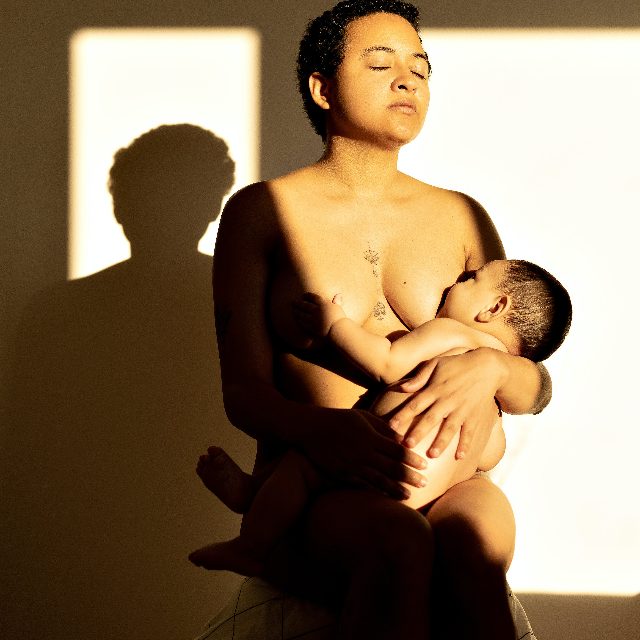
Breastfeeding is a beautiful and natural way to nourish your baby. However, it can present challenges, and one common issue faced by mothers is bleeding nipples in breastfeeding. This painful condition can make it daunting, but several tips can help heal and reduce pain.
In this article, I will share ten valuable tips to aid the recovery of bleeding nipples in breastfeeding, ensuring a more comfortable journey for both you and your baby.
What Are The Causes Of Bleeding Nipples In Breastfeeding?

- The improper latch is a leading cause of bleeding nipples in breastfeeding. When the baby doesn’t latch correctly, it can create excessive pressure and friction on the nipples, leading to soreness, cracks, and bleeding. Ensuring a proper latch is crucial to prevent nipple damage.
- Breast engorgement, characterized by swollen and overly full breasts, can also contribute to bleeding nipples in breastfeeding. Engorgement makes it difficult for the baby to latch properly, causing soreness and cracked nipples. Regular breastfeeding, expressing milk, or applying cold compresses can help relieve engorgement.
- Tongue-tie, a condition where the baby’s tongue movement is restricted due to a tight frenulum, can affect the latch and cause nipple trauma. Consulting a healthcare professional can help diagnose and address bleeding nipples in breastfeeding.
- Thrush, a common fungal infection, can cause nipple soreness, redness, and bleeding. Treating both mom and baby with antifungal medications is typically required.
- Friction and dryness during breastfeeding, exacerbated by environmental factors like cold weather or harsh soaps, can lead to bleeding nipples. Proper hydration, lanolin-based creams, and maintaining moisture can alleviate dryness and reduce friction.
- Mastitis, a breast infection, can cause inflammation, pain, and bleeding. Treating mastitis involves rest, frequent breastfeeding, warm compresses, and antibiotics if necessary.
10 Tips To Promote Healing And Reduce Pain
- Ensure a correct latch to prevent nipple trauma: Proper latch is essential for successful breastfeeding. When your baby latches correctly, with a wide-open mouth covering both the nipple and areola, it helps distribute pressure evenly and reduces the risk of nipple damage.
- Seek assistance from a lactation consultant: If you’re experiencing persistent nipple bleeding in breastfeeding, it’s beneficial to consult a lactation consultant. They can assess your breastfeeding technique, identify any latch issues, and provide personalized guidance to improve your breastfeeding experience.
- Apply breast milk to nipples after feedings: Breast milk has remarkable healing properties. After each feeding session, express a few drops of milk and gently rub it over your nipples. Allowing it to air dry can aid in healing the damaged skin, thanks to its antibacterial properties.
- Use nipple shields with guidance from a lactation expert: Nipple shields can offer temporary relief and protect your nipples during the healing process. However, it’s crucial to consult with a lactation expert before using them, as they may affect milk supply if not used correctly.
- Practice good hygiene: Maintaining proper hygiene is important when dealing with bleeding nipples. Clean your nipples gently with warm water after each feeding, avoiding harsh soaps or alcohol-based products that can dry out the skin. Patting your nipples dry with a clean towel helps minimize friction.
- Apply a soothing gel or cream: Using a soothing gel or cream specifically designed for breastfeeding can provide relief and aid in the healing process. Look for products containing lanolin, which has excellent moisturizing properties and helps soothe sore and cracked nipples. Apply a thin layer after each feeding and reapply as needed.
- Allow nipples to air dry after feedings: Allowing your nipples to air dry after feedings promotes healing. Exposing them to fresh air helps keep the area dry and reduces the risk of infection. Consider going topless or wearing loose-fitting clothing that allows for proper ventilation.
- Use cold compresses: Cold compresses can help alleviate pain and reduce inflammation. Before and after feedings, apply a cold pack or chilled washcloth to your nipples for a few minutes. The cold temperature constricts blood vessels, reducing swelling and discomfort.
- Take breaks and switch breastfeeding positions: If your nipples are sore and bleeding, taking breaks from direct breastfeeding and using alternative feeding methods like pumping can give your nipples time to heal. When you resume breastfeeding, experiment with different positions to find the one that causes the least discomfort, such as the side-lying or the football hold position.
- Practice self-care: It’s important to prioritize your well-being. Stay hydrated, eat a healthy diet, and get enough sleep. Engage in relaxation and stress-reduction exercises to support your physical and emotional health. Taking care of yourself will contribute to the healing process since breastfeeding can be physically and emotionally demanding.
Step By Step Guide To Achieving Correct Latching Techniques
• Position Yourself Comfortably: Find a comfortable chair or use supportive pillows to maintain good posture while breastfeeding. This helps prevent strain on your back and shoulders, which can contribute to nipple soreness and bleeding.
• Support Your Baby’s Head and Neck: Gently cradle your baby’s head with one hand, ensuring proper neck support with your forearm. Make sure your baby’s nose is aligned with your nipple to facilitate a correct latch.
• Wait for a Wide Mouth: Allow your baby to open their mouth wide before latching. This ensures they can take in a good amount of the areola along with the nipple, reducing the risk of shallow latch and nipple pain.
• Bring Baby Close: With your baby’s mouth wide open, bring them close to your breast, aiming their chin to touch the underside of your breast. This positioning helps achieve a deeper latch and minimizes the likelihood of nipple trauma.
• Aim for a Deep Latch: Gently brush your baby’s lower lip against your nipple to encourage them to open wider. As they latch, ensure their lips are flanged outward, covering a significant portion of the areola. A deep latch promotes effective milk transfer and reduces nipple discomfort.
• Check for a Symmetric Latch: Ensure that your baby’s mouth is centered on your nipple and that both their top and bottom lips are curled outward. This symmetrical latch helps distribute pressure evenly, decreasing the risk of nipple pain and bleeding.
• Listen for Swallowing: Once your baby is latched correctly, listen for a rhythmic, suckling pattern and occasional swallowing sounds. These indicate that your baby is effectively receiving milk. If you experience persistent pain or notice your baby is not swallowing, consider adjusting the latch.
• Break the Latch Gently: To end a breastfeeding session, gently insert your finger into the corner of your baby’s mouth to break the suction. Avoid forcefully pulling your baby off the breast, as this can cause nipple trauma.
Tips For Using Nipple Shield

• Proper Sterilization: Maintaining cleanliness and preventing infections is essential, so it’s crucial to sterilize the nipple shield before each use. Boiling it in water for a few minutes or following the manufacturer’s instructions ensures hygiene.
• Applying the Nipple Shield: Gently position the nipple shield over the affected nipple, ensuring it covers the entire areola area. Get a proper fit and alignment to enable the baby’s mouth to latch onto the nipple shield effectively. Be patient and persistent as it may take some attempts to get comfortable with the technique.
• Observing Latch and Milk Transfer: While using a nipple shield, closely monitor your baby’s latch and feeding patterns. A deep latch is vital for proper milk transfer. Seek professional guidance to ensure the baby is latching correctly and receiving enough milk.
• Monitoring Healing Progress: Although the nipple shield provides protection, it’s essential to monitor the healing progress of bleeding nipples. Watch for signs of infection, such as increased pain, redness, or discharge, and consult your healthcare provider if you have concerns.
• Gradual Weaning from the Nipple Shield: As your nipple heals and the situation improves, gradually work towards weaning your baby off the nipple shield. Seek guidance from a lactation consultant to establish proper breastfeeding techniques without relying on the shield.
How Can I Prevent Bleeding Nipples In Breastfeeding?
To minimize the risk of bleeding nipples, ensure a proper latch by positioning your baby correctly. Make sure your baby’s mouth covers not only the nipple but also a portion of the areola.
Seek assistance from a lactation consultant if needed. Applying lanolin-based nipple creams or expressing a little breast milk after feeding can also provide relief and protect your nipples.
Should I Continue Breastfeeding If My Nipples Are Bleeding?
While it’s understandable to have concerns, in most cases, you can continue breastfeeding even if your nipples are bleeding.
However, it’s crucial to address the cause of the bleeding to prevent further discomfort and potential infection. Seek guidance from a healthcare professional or lactation consultant to ensure proper healing and management.
How Can I Promote healing For My Bleeding Nipples?
To promote healing, allow your nipples to air dry after feeding, as exposure to air can aid the healing process. Avoid using harsh soaps or alcohol-based products on your breasts, as they may exacerbate the issue.
Applying a lanolin-based cream or hydrogel pad can help soothe and protect your nipples. Additionally, nursing on the less affected breast first can minimize discomfort during feeding.
Can I Use Nipple Shields To Address Bleeding Nipples?
Nipple shields can provide temporary relief for sore or bleeding nipples, but they should be used under the guidance of a lactation consultant.
While shields can help improve latch and reduce pain, they may affect milk supply and hinder the natural breastfeeding process if used incorrectly or for an extended period. Consulting with a professional is vital to ensure proper usage and prevent any adverse effects.
How Long Does It Take For Bleeding Nipples To Heal?
3The healing time for bleeding nipples varies for each individual. With proper care and addressing the underlying cause, most nipple injuries heal within a few days to a couple of weeks.
However, if the pain and bleeding persist or worsen, it’s essential to consult a healthcare professional for a thorough evaluation and appropriate treatment.
Can I Still Breastfeed If I Have An Infection Due To Bleeding Nipples?
Breast infections, such as mastitis, can occur as a result of bleeding nipples. It’s crucial to seek medical advice promptly to treat the infection effectively.
In most cases, breastfeeding can continue while receiving appropriate treatment, as draining the breast through breastfeeding or pumping can aid in clearing the infection. Your healthcare provider will guide you on the best course of action.
When To See The Doctor
Experiencing bleeding nipples while breastfeeding can be a concerning and uncomfortable situation for any new mother.
While certain instances of nipple discomfort are common during the early stages of breastfeeding, persistent bleeding or severe pain may indicate an underlying issue that requires medical attention.
This outline provides a guide on when it is advisable to consult a healthcare professional when faced with bleeding nipples during breastfeeding:
- Bleeding continues for more than a few days
- Frequent bleeding during each breastfeeding session
- Unbearable pain during breastfeeding
- Discomfort affecting breastfeeding frequency or duration
- Swelling, redness, or warmth around the nipple area
- Development of pus or discharge
- Noticeable decrease in the baby’s feeding or reluctance to latch
- Insufficient weight gain or signs of malnourishment in the baby
Conclusion
Experiencing painful and bleeding nipples during breastfeeding can be an agonizing ordeal for new mothers. However, with the right techniques and support, you can overcome this challenge and continue to provide your baby with the numerous benefits of breastfeeding. One crucial aspect is ensuring a correct latch, as this helps prevent nipple damage.
Seek assistance from professionals such as lactation consultants or breastfeeding support groups when needed; their expertise can be invaluable. Additionally, implementing tips like applying breast milk, using soothing creams, and practicing good hygiene can aid in healing, reduce pain, and promote a more comfortable breastfeeding journey. Remember, every mother-baby duo is unique, and it’s important to find what works best for you. By following these suggestions, you can make your breastfeeding experience more fulfilling, both for yourself and your little one. Embrace the joy of nourishing your baby while taking care of yourself.

Leave a Reply
You must be logged in to post a comment.