
So, your 11-year-old daughter has brown discharge and you are concerned? don’t worry, it’s pretty common during puberty. Let’s break it down. You see when girls hit puberty, their bodies go through all sorts of changes, and one of them can be this brown discharge.
Does your 11-year-old daughter have brown discharge? – Now, before you freak out about brown discharge in young girls is usually a sign that their first period is on the horizon. It’s kind of like a little signal from her body saying, “Hey, get ready, big changes are coming!” This discharge is normal and helps keep everything down there healthy.
Typically, girls get their first period around two years after they start showing signs of puberty, like breast development. And here’s a fun fact: it’s not uncommon for that first period to start with some brown discharge or spotting before it turns into the classic red flow. Just think of it as nature’s way of easing into things.
Now, knowing this stuff can help both you and your daughter prepare for what’s ahead. We’ll chat about what causes this brown discharge, what to expect leading up to her first period, and what to do when it finally arrives. Trust me, you’ve got this
My 11-Year-Old Daughter Has Brown Discharge, What Does It Mean?
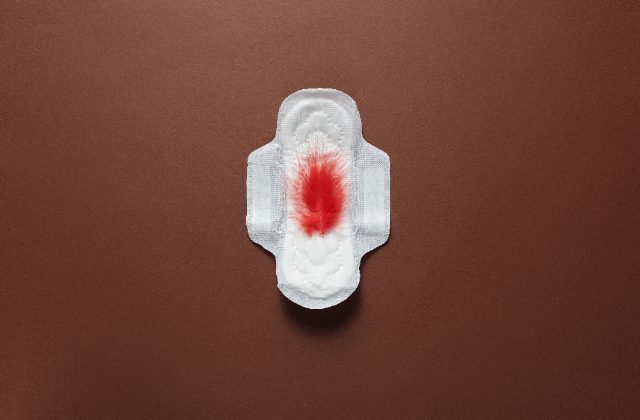
If your 11-year-old daughter has brown discharge, it’s probably nothing to fret about! It’s quite common, especially when she’s gearing up for her first period. You see, brown discharge often shows up right at the beginning or end of a period—it’s like the last traces of old blood taking its sweet time to make its exit.
Now, when exactly that first period hits can vary from girl to girl. But as a general rule, it tends to show up around two years after she starts sprouting those telltale signs of puberty, like breast growth. And hey, don’t be surprised if that first period starts with a bit of brown discharge or spotting. It’s all part of the package deal. Some girls might even see a splash of bright red from the get-go.
So, if your daughter’s starting to show signs of puberty, like that brown discharge, it’s a good idea to have a heart-to-heart chat with her about what’s going on. This is your chance to arm her with all the info she needs about menstrual products, staying fresh and clean, and, of course, giving her all the love and support she needs during this exciting (albeit sometimes confusing) time
11-year-old Daughter Has Brown Discharge And Signs And Symptoms Of First Period
Spotting Puberty Signs:
Keep an eye out for signs like thicker leg hair, hair growth in the armpits and pubic area, pesky pimples, breast development, and changes in body shape.
Average Onset Age:
The Centers for Disease Control and Prevention (CDC) found that most girls in the U.S. start menstruating between 11 and 12 years old.
First Period Timing:
After puberty signs appear, the first period usually arrives a few years later. However, the exact timing varies from person to person.
Pre-Period Discharge:
Some girls might notice spotting or light brown discharge in their underwear a few days before their first period.
Handling Puberty Changes:
It’s crucial to maintain open communication with your daughter about these changes and provide information about menstruation to help her understand what to expect.
Seeking Guidance:
If you have concerns or questions about your daughter’s development or puberty signs, consult with a healthcare professional for personalized guidance and support.
What Are The Processes Of A Period?
Let’s chat about what happens in a girl’s body after she gets her first period. So, after that initial period makes its grand entrance, typically, the next big event is ovulation. This is when an egg gets released from the ovaries and takes a little journey down the fallopian tube.
Now, when that egg is on the move, the lining of the womb gets all cozy and thick to prep for the possibility of fertilization. But if no fertilization happens (bummer, right?), the body’s like, “Okay, we don’t need this cozy lining anymore,” and it sheds. And that shedding? Well, that’s what we call period blood.
And hey, this whole cycle usually keeps on rolling from the time of that first period until menopause, which is when periods take their final bow. So yeah, it’s like this whole fascinating dance that our bodies do from puberty right up until later in life. Pretty wild, huh?
How Does Menstruation Feel Like?
Here’s the thing: every girl’s period is like her own unique adventure. Some might notice a bit of spotting or brown discharge before their first official period makes its grand entrance. Others might dive right in with a burst of bright red blood—talk about making an entrance, right?
Now, when it comes to the color of menstrual blood, it’s like a whole spectrum from brownish hues to deep reds. And hey, don’t be surprised if you spot some small blood clots along the way—it’s all part of the ride. Now, here’s the good news: some lucky gals breeze through their periods with minimal or no pain at all. How awesome is that?
But hey, if things aren’t feeling quite right or if there’s some serious discomfort, it’s totally cool to reach out to a healthcare pro for some expert advice. Remember, it’s all about finding what works best for you and your body. And hey, keeping those lines of communication wide open and dishing out accurate info can help girls feel more confident as they navigate the wild world of menstruation. You’ve got this!
What To Do When You Start Your Period?
If your 11-year-old daughter has brown discharge before her first period, it’s time to get her prepped and in the know! Here’s the scoop: help her put together a little period kit with all the essentials. Think extra undies, pads or tampons (whatever she prefers), and some unscented baby wipes for staying fresh.
Now, when it comes to periods, one thing to remember is that they can be as unique as she is. They usually hang around for about 3 to 7 days, but don’t be surprised if things start a bit irregular. Over time, they usually settle into a more predictable rhythm.
Now, the average menstrual cycle is around 28 days, but hey, everyone’s different! Hers might be shorter, longer, or marching to its beat. And that’s okay!
The most important thing you can do during this time is to keep those lines of communication wide open. Let her know that you’re here to answer any questions, offer support, and cheer her on as she navigates this new adventure
The Use Of Tampons, Menstrual Cups, And Using Pads During Your Period
let’s talk about all the cool options out there for managing periods! It’s super important to chat with your daughter about these choices so she can find what works best for her. Check out these popular methods:
Sanitary Pads:
Pads are like the OG of period absorbents. They’ve got a comfy lining that sticks right onto undies and soaks up all that menstrual goodness. They come in all shapes and sizes to fit different needs, which is pretty neat. Plus, they’re super easy to use—perfect for beginners!
Period Panties or Reusable Cloth Pads:
Think of these as the eco-friendly superheroes of period management! They work just like pads but can be washed and reused, which is not only good for the planet but also for your wallet. Plus, they’re a super comfy option.
Tampons:
Tampons are like little magic wands that go inside the vagina to catch all the flow. They’re great for activities like swimming and sports since they’re super discreet and comfy. Just remember to change them every few hours to keep things safe and cozy.
Menstrual Cups:
These little silicone wonders are like the Swiss army knives of period products. They sit inside the vagina and collect all the blood, and you can reuse them over and over again. Plus, they’re eco-friendly and can last up to 12 hours, which is pretty awesome. Just a heads up, though—it might take a little practice to get the hang of using them.
Remember, it’s all about finding what feels right for your daughter. Chat with her about the pros and cons of each option, taking into account her lifestyle and preferences. And don’t forget to stress the importance of regular changes and good hygiene during her period. Keeping those lines of communication open is key, so she feels confident and supported every step of the way
Self-Care Tips Needed During Your Period
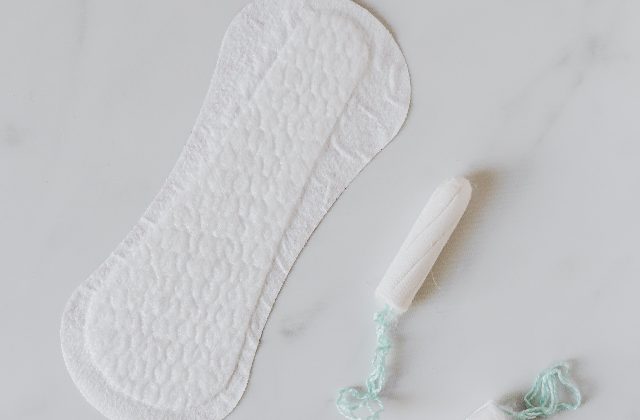
Now that you’ve got the lowdown on why your daughter might be seeing that brown discharge, it’s time to dive into some self-care tips to help her navigate her period like a champ! Periods might throw a few curveballs her way, but they definitely shouldn’t hold her back from doing her thing. Check out these handy tips she can try out:
Beating Menstrual Cramps
Those pesky cramps can put a damper on things, but we’ve got some tricks up our sleeves to help ease the discomfort:
- Grab some over-the-counter pain relievers like acetaminophen (but give her healthcare provider a heads up before she pops any pills).
- Warm up that lower tummy with a cozy hot water bottle or heat pad.
- Encourage her to take a relaxing soak in a warm bath to help those muscles chill out.
- Get her moving with some gentle exercises like yoga or a leisurely walk—they can work wonders for cramp relief!
Keeping Leaks at Bay
Period leaks can be a real hassle, especially when she’s still figuring out the ropes. Here are some tips to help her stay ahead of the game:
- Have her experiment with different sizes of pads or tampons to match the flow.
- Remind her to change her period products regularly to avoid any mishaps.
- Help her keep track of her cycle using a calendar, diary, or handy-dandy app so she’s always one step ahead.
- Make sure she’s stocked up and ready to roll by keeping some period goodies in her bag for those surprise moments.
And hey, it’s normal for her to take some time to adjust to her period. Just remind her that practicing self-care can help her feel more comfortable and confident during this time. Keeping those lines of communication wide open is key, so she knows she’s got your full support every step of the way! You’ve got this!
Can I Get Pregnant After My First Period?
In general, it is safe to assume that most females who have started their periods can become pregnant. This is because the beginning of the first menstruation typically indicates ovulation which indicates the potential for pregnancy.
However, during the first several years after the first period, both periods and ovulation can be irregular, making fertility prediction challenging.
When To See A Doctor If My 11-Year-Old Daughter Has Brown Discharge
When it comes to periods, a little irregularity at the start is normal, but if things start feeling a bit out of whack, it might be time to loop in a doctor. Periods can give us some pretty cool insights into our overall health, so it’s worth paying attention to those signs that something might be up. Here are a few red flags that indicate it’s time to chat with a doctor:
- If she’s constantly changing pads or tampons every hour or two because of a super heavy flow.
- If she’s dealing with some serious discomfort or emotional rollercoasters that are messing with her day-to-day activities.
- If she hasn’t seen Aunt Flo for at least three months after that first visit.
- If her periods are showing up more often than every three weeks or less often than every five weeks.
- If her periods are hanging around for a week or longer.
- If she hits fifteen and Aunt Flo is still a no-show.
- If she starts experiencing symptoms of toxic shock syndrome (TSS), like a sudden fever, body pains, or feeling queasy.
- If she’s noticing some tummy troubles like diarrhea and a rash during her period.
In any of these situations, it’s super important to get some medical advice to make sure everything’s A-OK with your daughter’s health. A healthcare pro can offer up some guidance, run some tests if needed, and set her up with the right treatment if anything’s up. And hey, keeping those lines of communication open with your daughter about her menstrual health is key. Let her know that she can always chat with you about any concerns or changes she’s noticing. Teamwork makes the dream work, right? You’ve got this!
Conclusion
Now that we have covered the big milestone that is your daughter’s first period! It’s normal for both of you to feel a mix of emotions—excitement, maybe a little uncertainty, and that’s all okay. But hey, with a bit of preparation and some solid info, you’ll both be ready to tackle this new phase like pros!
So, diving into the stuff we’ve covered in this article, like understanding what that brown discharge means and getting the lowdown on all things periods, can help you both feel more ready and less caught off guard when the big moment arrives.
Now, managing periods might take a bit of time and practice, and it’s cool if you’ve got questions or need a little guidance along the way. Don’t be shy about reaching out to a doctor, nurse, or another trusted adult for some extra support and info—they’re there to help!
And hey, most importantly, keep those lines of communication wide open with your daughter. Encourage her to ask questions, share any worries or experiences she’s having, and know that you’ve got her back every step of the way. With a bit of knowledge and a whole lot of support, you two can totally tackle this important milestone together! You’ve got this!

Leave a Reply
You must be logged in to post a comment.