
After giving birth, it is common for women to experience a bloody discharge that can last for several days or weeks. This discharge, known as lochia, is different from your regular menstrual bleeding. Lochia is a combination of blood, mucus, uterine tissue, amniotic fluid, and other remnants from the uterus after childbirth. It is a natural process that helps the body cleanse itself after delivery and we wonder what does infected lochia smell like .
In this article, we will discuss lochia in more detail, including what it smells like when it is healthy, as well as what it can smell like if an infection is present. By understanding more about lochia, you can ensure that your postpartum recovery goes smoothly.
- Understanding Lochia
- Types of lochia
- What's The Color Of Lochia?
- How Should Lochia Smell
- Difference Between Lochia And Period
- Difference Between Lochia And Hemorrhage
- How Long Does It Take For Lochia To Go Away?
- What Can Cause Lochia To Increase?
- How You Can Cope With Lochia Discharge
- How Do I Know If My Lochia Is Infected?
- When Should I See A Doctor?
- Is It Possible To Get Pregnant While Still Having Lochia?
- Is Lochia Less In People That Had Cesarean Section Delivery?
- Last Words
Understanding Lochia
Now that you have given birth, your body will undergo a natural process of cleansing itself, which involves postpartum bleeding that can last for days or up to six weeks after delivery. This discharge is called lochia and is made up of blood, mucus, amniotic fluid, and pregnancy tissue.
The smell of lochia is similar to menstrual blood and may have a metallic odor. This is because, after birth, the placenta separates from the uterine wall and is expelled from the body along with other residual material accumulated during pregnancy.
Initially, the lochia discharge can be heavy, but it gradually reduces after the first few days until it stops altogether. It is important to keep an eye on the color and smell of the lochia to detect any signs of infection.
Types of lochia
There are three phases of lochia, it will be helpful to understand these phases and how it is to know when something goes wrong with yours.
Please note that how long lochia lasts after delivery depends on the person. You might not experience it for so long or yours might be longer than that of your friends.
1. Lochia Rubra
Lochia rubra is the first stage of postpartum bleeding that occurs immediately after giving birth and typically lasts for two to three days. During this stage, your bleeding will be at its heaviest, with the color of your blood being dark red or reddish brown. You may notice the passage of both large and small blood clots.
It’s normal to feel a gush of blood during this stage, but the bleeding should reduce within a day. It’s essential to pay close attention to your body and the amount of bleeding you experience to ensure your recovery is progressing as expected.
2. Lochia Alba
Lochia alba will likely start from the fourth day after your delivery and continue for about two weeks. It contains a mixture of both blood and other discharge. It could be brownish in color or even pinkish.
3. Lochia Serosa
Lochia serosa Starts when lochia alba ends. It starts around two weeks after you deliver and stays till you are six weeks old postpartum. The color of this lochia is either white yellow or pink. You will also likely see less frequent blood stains on your undies.
What’s The Color Of Lochia?
No two persons are the same so lochia discharge will differ but there are common characteristics in everyone.
Generally, you will have a dark or bright red blood discharge for at least the first three days after delivery. After a while, you will start seeing whitish mucus discharge.
How Should Lochia Smell
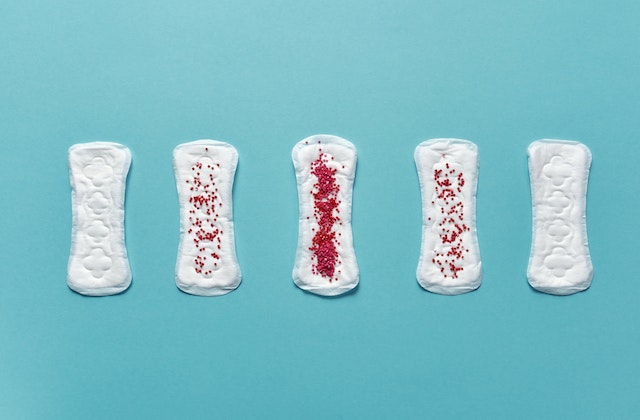
Lochia is typically described as having a musty, stale smell similar to menstrual blood because it is a combination of all the fluids and tissues that your body accumulated during pregnancy. However, if your lochia starts to have a bad smell, such as a fishy or foul odor, it could be a sign of a possible infection. Bacteria may have infected you.
It’s important to maintain good hygiene during this time to prevent infections. If you notice that your discharge has an extremely foul or fishy odor, it’s best to contact your healthcare provider right away as it could indicate an infection. Your doctor can help diagnose and treat any underlying issues that may be causing the smell.
Difference Between Lochia And Period
Lochia and menstruation are not the same. Menstruation occurs when the egg is not fertilized for that month, while lochia is a natural process that helps to clean the uterus after delivery.
After delivery, you may start menstruating again in less than two months or up to six months, depending on whether or not you are exclusively breastfeeding your baby.
Lochia can last for up to six weeks after delivery, while menstruation typically lasts for three to seven days.
However, they both start heavily and gradually reduce towards the end. They also share similarities in their color, which is dark red at the beginning, and in their smell.
Difference Between Lochia And Hemorrhage
It is important to note that while it is normal to experience some bleeding after giving birth, excessive bleeding can be a sign of postpartum hemorrhage, which is a medical emergency. Postpartum hemorrhage is defined as losing 500ml or more of blood after vaginal delivery or 1000ml or more after a cesarean delivery.
There are several causes of postpartum hemorrhage, including uterine atony (the uterus failing to contract properly after delivery), retained placenta or placental fragments, cervical or vaginal lacerations, and coagulation disorders.
It is crucial to seek immediate medical attention if you experience heavy bleeding or symptoms such as dizziness, fainting, rapid heartbeat, or a drop in blood pressure after delivery. Your healthcare provider will be able to determine the cause of the bleeding and provide appropriate treatment to prevent complications.
How Long Does It Take For Lochia To Go Away?
The duration of lochia varies from person to person. While some may experience it for a week or two, others may have it for up to two months. Typically, lochia lasts for about six weeks after delivery.
It’s important to keep in mind that you can become pregnant again before your period returns. Therefore, if you are not planning to conceive, it is advisable to use contraception once you resume sexual activity.
What Can Cause Lochia To Increase?
As every woman’s body is unique, their experiences with lochia may differ. However, certain factors can cause heavier lochia discharge.
Engaging in physical activity such as walking or climbing stairs can increase the amount of discharge.
Breastfeeding can also lead to increased discharge, as the hormonal changes that occur during lactation cause the uterus to contract.
You may also notice an increase in discharge in the morning when getting out of bed.
How You Can Cope With Lochia Discharge

First and foremost, it’s important to prioritize rest and give yourself time to heal. When the placenta detaches, it leaves behind a large wound that needs time to heal, regardless of whether you had a vaginal or cesarean delivery.
Coping with lochia discharge can also be uncomfortable, but there are things you can do to manage it.:
1. Use a mother-care sanitary pad
After delivery, it is important not to insert anything into your body, including tampons or other vaginal products, as your body is still healing and delicate. This can introduce bacteria into your vagina and potentially cause an infection. Similarly, you should avoid having sex at this time, as it can also increase the risk of infection.
Instead, it is recommended to use adult pads or disposable underwear until your lochia discharge reduces significantly. These can help you stay comfortable and manage the bleeding until your body has fully healed. It is also important to maintain good hygiene during this time, such as changing pads regularly and washing your genital area with mild soap and water.
2. Wear mother-care undies and clothes you can let go
Use only undies you don’t mind having permanent stains on. Because of the heavy nature of lochia at that initial stage, you might see stains on your undies and sometimes it can extend to your clothes and might not go off when you wash.
You won’t want your designers to get all messy so stick to clothes you can let go for this period. You should be able to wear what you want after six weeks.
3. Change your pad often
Bacteria easily gather in a damp area so ensure to change your pad within a few hours. Change your pad within four hours
How Do I Know If My Lochia Is Infected?
The biggest sign of infection is foul-smelling or greenish-colored vaginal discharge. Contact your healthcare provider as they may want to check for infection.
When Should I See A Doctor?
Lochia barely causes any kind of complications. The quantity of bloody discharge should subside within days until it goes away. Notwithstanding, there are signs you should look out for that are not normal discharge or a normal quantity of bloody discharge.
If you notice any of the listed things below, please call your doctor or call emergency health care provider:
- You’re having heavy bleeding that soaks up a pad within an hour and that won’t stop or reduce.
- You have a blurred vision.
- You feel weak and dizzy
- You’re having chills or you have a fever. Fever of more than 100.4° or you have some kind of flu symptom call your doctor
- Your lochia is greenish and you see greenish vaginal discharge
- Your lochia is smelling like fish or has a foul-smelling odor.
- Your lochia is as big as a golf size ball or the clotting is a lot.
- You feel pain or observe that around your vagina is swelling.
- If you feel severe cramping or pelvic pain, call your doctor
- You’re finding it difficult to breathe.
- Your heart is beating faster than usual, please call your doctor
- If you feel like vomiting and no home remedy seems to work, call your doctor.
Is It Possible To Get Pregnant While Still Having Lochia?
It is not healthy to have sex before at least six weeks after delivery. It will be in your best interest to avoid sex until you are six weeks postpartum.
When your doctor gives you the clearance to go ahead then you should use the birth control method to avoid getting pregnant when you had no plans for it.
Is Lochia Less In People That Had Cesarean Section Delivery?
Indeed, you will still have lochia discharge after cesarean delivery, though the amount may be less than someone who delivered vaginally.
The color of the discharge will also be similar – initially dark red and then changing to brown and eventually to whitish mucus. However, it is important to note that the amount and duration of the discharge can vary from person to person, regardless of the type of delivery.
If you had a cesarean delivery, you may experience less lochia discharge per day compared to someone who delivered vaginally. Nevertheless, it is essential to monitor your discharge and seek medical attention if you notice any sudden increase or a foul odor, as it could indicate an infection or other complications.
Last Words
In conclusion, Lochia is a natural and necessary process that occurs after delivery to help the body heal and recover. It consists of blood and tissue that is no longer needed by the body.
It is important to understand the three phases of Lochia and to take care of your body during this time to avoid complications such as infections. You should monitor the smell and amount of your discharge, as foul odors or excess bleeding could be signs of infection or hemorrhage.
Resting and avoiding irritation to the body is important to promote healing. If you experience any abnormal symptoms such as chills, fever, or increased discharge, contact your doctor.
Most people will naturally resolve their Lochia without any issues, but if you notice any signs of infection or abnormal bleeding, seek medical attention. Remember, taking care of your body during this time is crucial to ensure a healthy recovery.

Leave a Reply
You must be logged in to post a comment.