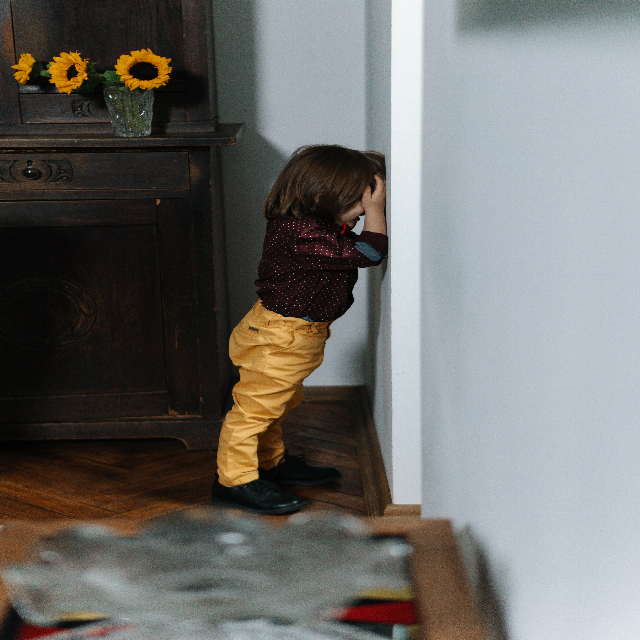
Do you ever wonder why time-outs are ineffective? Do you believe that no matter what you do, your children have trouble listening to you? Have you given them a timeout but they continue to act poorly after you release them? Do they cry, shout, or laugh? Does the cycle keep happening over and over?
Time-outs Are Ineffective And What Do They Mean?

A time-out is a parenting technique in which a child is told to sit by themselves after misbehaving. This is supposed to promote appropriate conduct. Some kids are instructed to sit on a time-out chair, while others are placed in a designated time-out area, such as a private room. Each parent who uses time-outs has a different procedure. Time outs are effectively “solitary confinement for kids,” usually lasting one minute for every year of the child’s age.
Many parents believe this kind of punishment will alter their child’s conduct. They want to teach students that inappropriate behavior will not be tolerated by showing them that poor behavior results in time out. Time-out proponents believe that troublesome conduct may be controlled by having the youngster sit quietly and maintain composure. However, research in behavior therapy shows that time-outs are ineffective and that many kids do not alter their conduct when they are placed in a time-out.
Why Time-outs Are Ineffective And Time-Out Cycles
It’s daunting and draining to be in this cycle. You can feel like you’ve exhausted all options and are at a loss on what to do. Let’s get specific about why time-outs are ineffective. Timeouts have a short-term impact. They do not result in proper behavior.
Following the time out, the behavior frequently returns and may result in:
Shame
They are aware of your feelings when you put them on time out after they behave badly or do something you disapprove of. You might be yelling, screaming, or venting your frustration to them. Shaming is the psychological term for this. These undesirable behaviors in your child may be encouraged by your parenting style. The majority of parents are unaware that this can result in a child’s increased emotional dysregulation and a power struggle.
Shame is a poor teaching tool for kids. It does not instantly result in a behavior change. According to studies, the brain reacts to shame-related emotional pain in a manner that is comparable to how it reacts to abuse or physical pain. The child feels ashamed when a parent puts them in time out to express their disapproval or displeasure. The parent’s intention to cease the original action then loses focus as shame takes control. The child now only thinks about their embarrassment rather than their bad action. Shame is not a teacher as a result.
The parent thinks that as their child pouts, cries, or sits in time-out, they are learning something that will prevent future disruptive conduct. But this doesn’t happen very often. Instead, the youngster is experiencing regret and negative emotions, including. “I’m a lousy kid. My parents don’t like me. Nothing I do is ever right. I thus constantly run into problems”. In contrast to the parent’s intention to urge the child to reflect on the activity they are engaging in, a youngster instead experiences these sentiments and ideas during a time-out about who they are as a person. Instead of being a tool for discipline, time-outs are ineffective and are a direct form of punishment.
What Does The Word “Punishment” Mean?
Punishment is defined as anything that makes your child feel guilty, ashamed, or hurt.
What Happens When There Is A Time-Out?
A child loses confidence when they are placed in time-outs. It might ignite a spark of retaliation. Your youngster may start to show signs of rage or despair when their self-confidence or self-esteem is low. Your child might decide they desire retaliation.
They aspire to be in charge.
Your youngster might make an effort to regain control, which would result in more undesirable actions. You are not trying to achieve this by using a time-out. Instead, it is one of the reasons time-outs are ineffective.
Time-Outs Don’t Impact Knowledge.
Time-outs are ineffective because they are a temporary solution. They serve as a bandage. After the youngster spends some time in time-out, their bad conduct temporarily stops. They are prevented from hitting or throwing food at that precise moment. When the timer rings out and the youngster is allowed to leave the time-out, they can resume their bad conduct. The youngster might step it up this time! With a vengeance, they have returned. We want to encourage proper kid development and the acquisition of skills that will allow them to calm down without having to resort to violent outbursts.
–Consider taking time-outs to relax and catch your breath.
–Spend some “time out” relaxing. Consider it a pause or a reset button.
–A moment of stillness and reflection, when utilized as a constructive tool, can successfully teach a child emotional self-control. This may result in better conduct.
–Try using the term “calm down” in place of “time-out.” Or “time alone,” as we like to say in our family. It serves as a reset button, giving the user a chance to reflect on the situation and figure out how to alter it.
Why Are These Times More Beneficial Than Timeouts?
The objectives of time-outs are:
–To impart a valuable lesson to a child
–To stop the problematic conduct and to help the child comprehend why they shouldn’t engage in the undesirable activity.
The parent must make sure the child listens to them and communicates with them for these objectives to be met.
How Can We Do This Through Effective Training?
Shame needs to be eradicated. Encourage a child to spend some time alone rather than putting them in time out. Encourage your youngster to take a brief moment to collect themselves. When they are calm, they can discuss why they are acting in the manner they are after giving their feelings some thought. When that happens, you and your child can approach the problem calmly. Positive habits are more likely to alter as a result, both now and in the future.
Effective Methods For Discipline
Avoid Pressuring Your Child.
If your child wants you to help them relax, you are welcome to sit with them. But ideally, you would leave them alone for a little period. They will learn crucial independence and self-control skills as a result. Keep in mind that you are your child’s teacher and mentor. You are not at war with them. To prevent a behavior from recurring is your aim. As a result, you must serve as a motivating instructor and role model. When they stop the problematic habits, you want to offer encouraging feedback. Your child learns constructive ways to grab your attention. Through this constructive criticism, they will learn to maintain their composure.
Your Youngster Learns Valuable Things From Using Effective Calm Down.
You should start teaching your child lifelong lessons once they are quiet and have had time to cease screaming or weeping. Once the period of calm has passed,
Say something like, “I love you very much,” make eye contact with your child, and establish a connection. I’m sorry you’re angry. I’m here to assist you however I can”. Explain the circumstances that led to the calm-down period and give your youngster names for their emotions. “You’re flinging your toys, I see. Even though I can tell you’re enthusiastic, we shouldn’t throw the toys.”
Explain the better option. “When we throw the toys, they could break or injure someone.”
“How do we put the toys on the floor? Yes, we should place them carefully on the ground.”
Participate in modeling the desirable behavior for your child. “Let’s gather the toys and put them away together.” The desired action should be repeated. “Please play with your toys gently, as we’ve taught you, and don’t throw them.” Remind your kid to play some more. Be available to help, mentor, and instruct your youngster.
Teach, Model, And Practice.
Try not to become angry if your youngster continues to make poor decisions. Instead, give them another chance to practice calming down and go through the same procedure again. For young children to develop independent abilities, many learning experiences are frequently necessary. As a result, they require much practice, just like we do when learning. If the behavior persists, try adding more calm-down time. If that doesn’t work, think about switching up the game, going for a walk, or taking a break for a meal or rest period.
Here are the proper steps to take a time out, should one be necessary:
Correct Time-Out Procedure
1. Issued A Warning
The rule must be specified first. Inform your youngster that they will receive a time-out if they engage in unwelcome behavior. However, if they stop or engage in the intended action, they will experience a different result. Inform them that this is the sole caution.
2. Enter A Time-Out
If the inappropriate behavior persists after receiving a warning, a timeout must be implemented right away. Specify the cause in detail. Allow no “second chance” or bargaining. If not, trying to get out of the time-out will only reinforce the improper behavior.
3. A Quiet Spot To Take A Time Out
Very few social, sensory, material, toys, or activity reinforcements should be present in the time-out area. According to studies, a time-out location’s effectiveness decreases as it becomes more exciting.
4. Remain In Time-Out
You should gently lead the youngster back if they balk at remaining in the time-out area.
You can ensure they stay there by remaining at their side,
but otherwise, avoid interacting with them. Making this environment “boring” and devoid of reinforcement is the goal. Allow no interactions, pursuits, or resources that might be harmful.
5. Short Time (2–5 Minutes)
One common misconception is that the time should get longer as the child gets older (by one minute per year). There isn’t enough solid data to back up that assertion, though. Research suggests that time-outs lasting 2 to 5 minutes are just as beneficial as those lasting longer for older kids, ages 4 to 7.
6. Be Silent And Collected Before Releasing
Even if the allotted time has passed, the youngster must display some signs of composure and quietness for a few seconds before being let go.
7. According To The Original Request
Reissue the initial instruction to end the time-out. To prevent the use of time-out as a means of command evasion, the child must comply with the directive to end the time-out process.
8. Schedule Time In When Your Child Is Not In Time Out
Positive reinforcement is a crucial element in preventing subsequent bad conduct. Position matters, but so does excellent behavior. Make sure your home is filled with engaging activities, close parent-child interactions, and pleasant interactions. When you notice someone doing something right, compliment them. It won’t matter much if a child is placed in a time-out or not if they are exposed to bad relationships, a lack of affection, and enjoyable activities; as a result, this method of controlling behavior won’t work.
Common Errors
The Use Of Time Out To Punish
The focus on using time-out as a punishment—an unnaturally undesirable outcome forced on the child to make them feel awful—is one of the most frequent misuses of this discipline tool. The purpose of time-out is not to punish. It is a technique for behavior management that teaches kids how to behave appropriately. The youngster gains the ability to choose actions with clear outcomes. Every time, a warning is given, giving the child the chance to make the right decision. Caretakers frequently struggle to regulate their own emotions when small children misbehave or have tantrums. They punish with timeouts out of rage.
When administered with hostility, yelling, a threatening tone of voice, a lengthy duration, or humiliation, such as by utilizing a naughty chair or standing in a corner in front of the entire class in school, time-out turns into a punishment. None of these activities instruct your youngster in acceptable behavior. It is especially harmful to use time-out chairs for toddlers to embarrass or humiliate the child because these behaviors have been related to a higher incidence of depression in later adolescence.
Not Imply Emotional Regulation
Through observation and parent-child interactions, toddlers develop their ability to manage and regulate their behavior. When issuing timeouts, parents who are angry or harsh set a bad example for their children to follow. The only things a child learns from time-outs as punishment are feelings of loneliness and rejection as well as emotional instability.
Relational difficulties are brought on by rejection and solitude. In brain scans, researchers discovered that the brain regions that are activated when a child feels relational suffering are the same areas that are affected by physical pain. We are aware of the harm physical abuse, like corporal punishment, may do to a growing mind. Therefore, the suffering brought on when time-outs are employed as punishment may also affect the growing brain.
Instruct The Child To Consider Their Mistake
The purpose of time-outs is not to allow children to “reflect” or “think about what they did.” No young child ever leaves a time-out feeling regretful or pledging to do better. Instead, they are most likely more bitter and determined to avoid being discovered the next time or exact retribution on the individual who put them in danger.
Watch Out For Online Advice
In a 2015 study, professionals polled more than 100 reputable websites on the Internet. No website, they discovered, offered comprehensive and accurate instructions on using time-out. Because so many parents today rely on the Internet for parenting advice, this discovery is concerning. Numerous websites have revised their advice and tips since the release of that study, but many continue to post contradictory or false material, which was also found in another study.
Parents may become furious and use harsh measures like yelling or spanking when they follow inaccurate information in an attempt to get the intended result. These techniques have a high correlation with both externalizing issues like anxiety or depression as well as behavioral issues like aggressive behavior, conduct disorder, or oppositional defiant disorder.
Frequently Asked Questions (FAQs)
When My Child Misbehaves, Should I Put Them In Time-Out?
Although many parents put their kids in time-outs, this method is not effective. Children can’t learn to control their emotions and alter their behavior by taking time-outs. They might result in humiliation and even harsher conduct. Before talking about what triggered the emotional outburst, concentrate on giving the child a chance to cool down and take a moment to think about why they are unhappy.
In Addition
Positive Discipline Methods
It takes time and patience to teach your kids life lessons. These abilities need to be repeatedly trained because they are lifelong skills. Being your child’s support system, serving as a role model, and using these techniques will help them develop their self-confidence and self-esteem. The outcomes you want will come to pass. Your child won’t develop the skills required to stop the same bad actions in the future if you only concentrate on punishment, blame, and shame. To create instructional moments for your child to acquire coping mechanisms and life lessons that will endure forever, keep in mind to place more emphasis on chances to cool down than time-outs.

Leave a Reply
You must be logged in to post a comment.