
Transitioning kids from their parents’ beds to their beds can be quite a challenge. You struggle to get them to sleep, but twenty minutes later, they are back in your bed, pulling your blankets and rubbing their eyes.
There are many reasons why the toddler keeps getting out of bed.
- They are up due to their inability to sleep.
- It could be that they are scared of the dark or sleeping alone.
- It could be that there is something on the wall.
- It could even be that they are testing their freedom; doing simply because they can. The list is endless.
While it might seem like an innocent act, the implications for you as a parent can be quite disturbing. You might have been busy taking care of them all day, or you just want some time alone with your partner, but now they’re back in your room, squeezing their eyeballs and mumbling incoherently.
Rest assured, you are not alone. Many parents struggle with keeping their toddlers in bed and wonder why their little ones keep getting out of bed. This article is here to help you gain better insight into this mischievous act, the possible causes, and proven tips and techniques to help you manage the situation.
The Toddler Keeps Getting Out Of Bed?
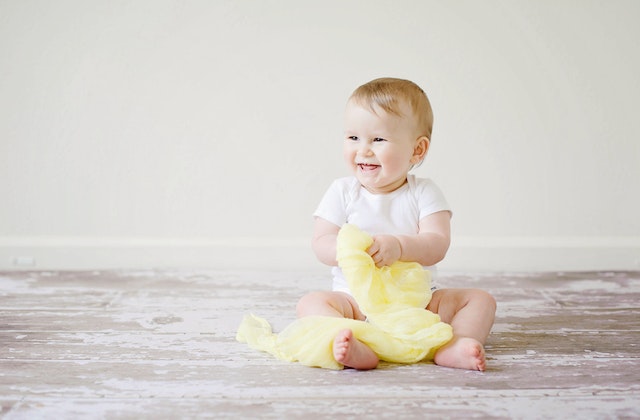
Different babies have motives for the things they do. Whatever appears to be the motivation driving this action should be observed. Your baby might keep getting out of the bed or crib for because of the following reasons:
1. A need to change bed
A crib is not meant to hold your baby forever; at some point, they outgrow it. One of the signs that they are ready to transition to the big kid’s bed is their ability to climb out of the crib. Although this is a big sign, you must consider your baby’s height.
The American Association of Pediatrics (AAP) recommends that babies be at least 35 inches tall before transitioning from the crib to the bed. So, while your baby might be showing signs that it is time to let go of the crib, pay attention to their height status.
2. Fear of the Dark
Fear is a common emotion and everyone is scared of something, for toddlers, one major fear is of the dark. A slight deviation from the normal sends them into a panic attack. and if your toddler keeps getting out of their bed, it might be because they are scared of the darkness in their room.
It might also be that they have been able to create a false consciousness that a monster exists under their bed. A wilder sense of recognition of this possibility might aid the misidentification of shadows or images in the dark which makes them run down to you for safety.
3. Inability to self-soothe
Soothing oneself is very handy when it comes to getting some sleep. As adults, we are capable of taking care of ourselves but toddlers, need someone to comfort them in times of distress. This might pose a problem when you try to leave them alone or when they wake up in the middle of the night. They have no sense of controlling their peace and would need you to calm them down.
4. Sense of freedom
The way the mind works after realizing there is the possibility of an action paves the way for it. Many parents have reported that their toddlers started getting out of bed often during and after potty training.
Potty training is important for your baby. You need to let them know when to get up and do their business. This, however, has triggered it in toddlers that they can get out of bed at any time.
Your kid might be with you because they need to use the toilet and would not go to their bed. This sense of freedom might aid them in getting up in their sleep.
5. Separation anxiety

Your baby might be having an issue with being left alone. This is not related to fear of the dark or fear of monsters. This is solely rooted in your baby wanting to be with you all the time.
Kids spend a lot of time with you and miss you when you are gone and in cases where they have siblings, they get out of bed because they want to join the rest of their siblings.
6. Too much sugar
Sugar is known to increase activity in babies. A kid hyped up on too many cookies may pop awake and leave their bed.
In addition, caffeine could also interfere with your baby’s sleep and make them crawl out of bed. It is advised to avoid sugary foods at least six hours before bedtime.
7. Discovery of ability
If your baby still sleeps in the crib, one successful attempt at climbing the crib would trigger more attempts from time to time. These are milestones. Babies love to celebrate their milestones.
Sometimes toddlers just do not feel like going to sleep and instead would rather play with their toys or work on these new milestones like walking, talking, climbing, or jumping.
8. They need something:
While it might appear to be quite frustrating, babies might just be getting out of bed because they need something. We have passed those stages where we have to guess whatever was going on based on the symptoms they show.
Now, they are old enough to make basic sentences. They are old enough to respond to their names and state requests.
It could be that they need to use the toilet (if they started potty training), they are hungry, they are thirsty, or even feeling pain in their body.
What Do I Do If My Toddler Keeps Getting Out Of The Bed?
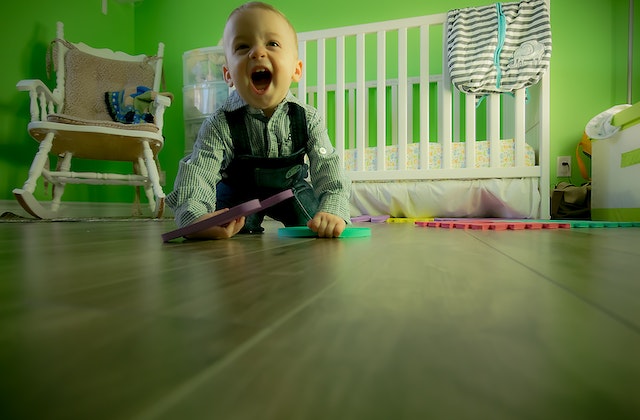
Knowing possible reasons why your toddler would not keep still in their bed calls for a response from you. What should you do when they pick up this habit?
1. Get them back to their bed
Find out what they need and attend to it but if you have identified that they do not need anything, take them back to their bed and let them know it is time to sleep.
It does not matter how many times they rebel against your decision about going to sleep, be assertive and take them back every time till they get your stand.
If they come over to your bed in fear of a monster or darkness, comfort them but do not let them sleep with you as this can become a habit that they find hard to let go of. So, as much as they show up at your face in the night, always return them to their bed.
2. Train them to feel at peace when you’re not in the room with them
It is advised that you leave the room while they are still awake. This way, they do not wake up in the middle of the night fearing that they were alone and running down to their room. You are the closest thing to safety and disappearing all of a sudden can raise panic in them.
3. Compensate obedience
The tangibility of a gift is not as important as its existence. Your toddler does not care how valuable your gifts are, but they are interested in you giving them something.
You can, however, switch it up to offer what you perceive that they love. Reward them every time they stay in bed and let them know the reason for the reward.
4. Find a friend
In cases of your toddler being scared of being alone, they might do better with a friend. Most babies grow up attached to a teddy, bunny, puppets, and more.
These were introduced to serve as a companion during scary times and it has proven its efficiency over the years. If your baby is having a problem with being alone, try getting them a stuffed pet.
If they have a fear of being alone coupled with the fear of the dark, you can give them a toy that illuminates or a gummy bear lamp. They always work.
5. Limit liquids
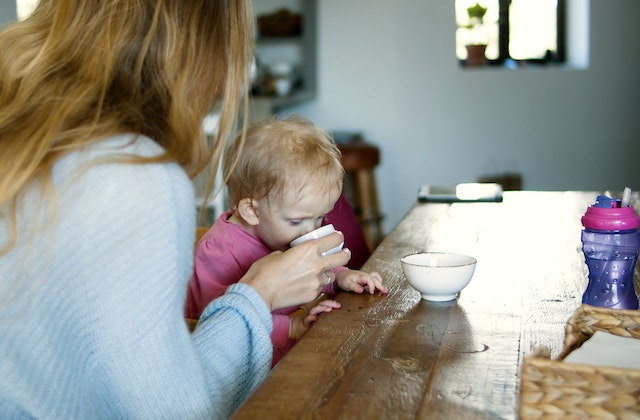
Staying dry is a challenge, but cutting back on the water and other drinks before turning them in can help. If they happen to always get up for this purpose, you might find this very helpful.
6. Reduce caffeine for your baby
Caffeine could interfere with your baby’s sleep and make them crawl out of bed. It is advised to avoid chocolate at least six hours before bedtime.
7. Keep a consistent bedtime routine
A regular bedtime routine will help in preparing your toddler for sleep at a particular hour. This makes bedtime run more smoothly. Such toddlers are more likely to fall asleep quickly and respond well to insistence on staying in bed.
8. Try the “I’ll be back” card
While your baby might be having a strong attachment to you in these development stages, they do not want you gone.
To make them stay put in bed, you can make it look like you will be coming back very soon. This way, they are assured you will be back soon and might sleep off in the process. It is important to always come back as this would help in gaining their trust.
You can, however, increase the length of time you stay away from them. This might be tricky the first few days when they wake up and start looking for you. However, continuous practice makes your baby understand they can sleep alone.
9. Talk to your doctor for advice
It is not wrong to seek for professional help. Put your pediatrician on speed dial. If you are worried that your baby is failing to sleep and cannot figure out why, put a call through to your doctor.
Speaking with the doctor might help you uncover health issues you might not have seen on your own. Your doctor has the best advice for your baby.
Why Do I Need My Toddler To Sleep In Their Bed?
Getting your toddler to sleep in their beds is more than asserting dominance and more about making them stay. There are lots of benefits to the toddler’s development too.
These are some benefits that sleeping alone in their bed can build in your toddlers:
- More independence: Making your toddler sleep in their bed helps them build self-reliance. It’s your ticket to a break from nursing. They can learn to soothe themselves if need be.
- Building their confidence: Sleeping alone might be scary; the fear of the dark and the monsters. Continuous practice builds confidence very soon in your baby. It is only a matter of time before they overcome those fears.
- Gives them more space and comfort to sleep soundly and undisturbed.
- Your toddler can often feel more in control of their sleep environment if they are in a bed, placing their favorite soft toys around them and responding well to not being hemmed in by a crib.
- They can get up in the morning and play independently or come to you instead of calling out for you to come to them.
- Mommy needs a break. You must have been taking care of your toddler all day and tending to their needs. You need to get a good amount of rest to stay healthy.
Final Thoughts
It can be a real challenge when your toddler starts getting out of bed at night and coming into your room. It’s important to figure out why they are doing this and to consistently return them to their bed each time it happens.
One key to avoiding this situation is to prevent your child from staying awake in the first place. Establish a consistent bedtime routine and make sure they are getting enough sleep.
It’s important to resist the urge to use harsh punishments in the middle of the night, as this can create a negative association with bedtime and make the problem worse. Instead, try to remain calm and consistent in your response.
If you are concerned about your child’s sleep habits, it’s always a good idea to consult with your pediatrician for guidance and support.

Leave a Reply
You must be logged in to post a comment.