Motherhood can often inspire a desire to regain personal confidence and prioritize self-care. For some mothers, this may involve exploring cosmetic procedures such as microblading to enhance their features. However, when considering such procedures as microblading while breastfeeding, the safety and well-being of both mother and child are the top concerns.
This guide aims to navigate the complex world of microblading while breastfeeding, providing a comprehensive overview of safety measures and precautions. While microblading can provide a confidence boost, it’s important to approach the procedure of microblading while breastfeeding with a thorough understanding of potential risks and the importance of maintaining a breastfeeding-friendly environment.
From carefully examining pigment ingredients to discussing the healing process and post-procedure care, this article seeks to empower mothers with the knowledge necessary to make informed decisions about microblading while breastfeeding. By merging beauty aspirations with responsible choices, this guide is a valuable resource for mothers seeking a balance between self-care and the well-being of their breastfeeding infants.
What Is Microblading?

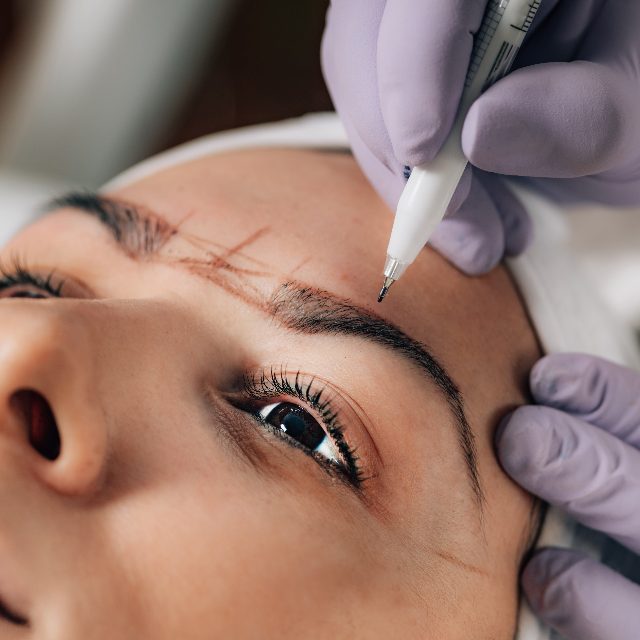
Microblading is a sought-after cosmetic procedure that aims to enhance and redefine eyebrows. It provides a natural and long-lasting solution for those who desire well-defined and fuller brows. Unlike traditional eyebrow tattooing, microblading involves using a manual handheld tool with fine needles. You use the needles to create hair-like strokes in the epidermis, which is the outer layer of the skin. These strokes mimic the appearance of natural eyebrow hairs, resulting in a more authentic and textured look.
The process usually begins with a consultation to determine the client’s preferred brow shape, color, and style. Before the microblading starts, a numbing cream is typically applied to reduce discomfort during the process. The microblading artist then carefully creates individual strokes using a pigment that matches the client’s natural eyebrow color. The depth of the strokes is controlled to ensure that the pigment remains within the superficial layers of the skin. This allows for a semi-permanent effect.
Microblading is particularly beneficial for people with sparse, thin, or over-plucked eyebrows. It provides a solution for achieving a more defined and symmetrical look. The results can last anywhere from one to three years. It depends on factors such as skin type, aftercare, and individual lifestyle.
While microblading offers a transformative solution, it’s crucial to approach the procedure with careful consideration. Choosing a skilled and certified microblading professional is essential to ensure the safety and success of the treatment. Additionally, understanding the aftercare instructions, which typically involve avoiding excessive moisture and sun exposure, is vital for preserving the longevity and quality of the microbladed eyebrows.
Microblading While Breastfeeding
Microblading is a cosmetic technique that enhances eyebrows by creating realistic, hair-like strokes within the skin’s epidermal layers. The procedure is semi-permanent and provides a natural and long-lasting solution to sparse or uneven eyebrows. However, microblading while breastfeeding needs to take a nuanced approach.
While there is limited information on the safety of microblading while breastfeeding, caution and thorough consideration are advised. The primary concern is the potential exposure of the infant to any substances. This can be pigments and numbing creams.
To mitigate potential risks, it’s essential to consult with both a reputable microblading professional and a healthcare provider on microblading while breastfeeding. A certified microblading artist can use safe, hypoallergenic pigments and provide infection control and hygiene practices in their facility. A healthcare provider can provide insights into the compatibility of microblading while breastfeeding. They also consider the potential absorption of substances into the bloodstream.
Timing is also crucial in the decision-making process on microblading while breastfeeding. Postponing microblading until after the breastfeeding period might be a prudent choice. This is to prioritize the well-being of both the mother and the child.
Aftercare is also essential. Microblading while breastfeeding aftercare often involves the application of specialized ointments or creams. It’s crucial to verify the safety of these products during breastfeeding. And also to follow any guidelines provided by the microblading professional to ensure optimal healing and results for microblading while breastfeeding.
Microblading is a cosmetic procedure that enhances eyebrows and boosts confidence. Breastfeeding individuals need to take a thoughtful and informed approach to microblading. By consulting with reputable professionals and healthcare providers, individuals can make choices that prioritize their well-being and the health of their infants.
Can You Microblade While Breastfeeding?
Microblading is a cosmetic procedure that involves applying pigments to the skin to create fuller and more defined eyebrows. If you’re a breastfeeding mother, it’s essential to consider the safety of microblading while breastfeeding for you and your baby. Although there is limited research on this subject, there are several important factors to keep in mind.
Firstly, you need to ensure that the pigments used during the procedure are safe and hypoallergenic. The pigment is generally confined to the epidermal layers. There is still a potential for some absorption into the bloodstream. Secondly, if a topical anesthetic is used to minimize discomfort during the procedure, it’s crucial to discuss the type of anesthetic with the microblading professional. This is to ensure it is safe to partake in microblading while breastfeeding.
Another important consideration is the risk of infection that comes with any cosmetic procedure. It’s crucial to ensure that the microblading facility follows strict hygiene and sterilization practices to minimize the risk of microblading while breastfeeding. Additionally, you should confirm with the microblading professional about any post-microblading healing products.
Finally, any personal health factors, such as allergies or skin sensitivities, should also be taken into account. It’s important to consult with your healthcare provider on microblading while breastfeeding to address any concerns related to your specific health conditions. By keeping these factors in mind, you can make an informed decision about whether it is safe to engage in microblading while breastfeeding.
Risks Associated With Microblading While Breastfeeding

Chemical Exposures
Chemical exposure during microblading can happen when substances, especially pigments, are absorbed into the skin and bloodstream. Microblading is a cosmetic procedure that uses pigments to create semi-permanent enhancements to eyebrows. While these pigments are typically safe for topical use, there are concerns about their use during breastfeeding.
The skin’s permeability raises concerns about whether these pigments could enter the bloodstream and be passed to the infant through breast milk. Although the risk is usually minimal, the safety of specific pigments and their breakdown products during breastfeeding has not been extensively studied. Pigments may contain various compounds, such as iron oxides and glycerin, which are generally considered safe for cosmetic use.
To reduce potential risks, it is essential to choose a qualified microblading professional who uses high-quality, hypoallergenic pigments. It’s also crucial to have open communication with a healthcare provider to discuss any potential risks associated with chemical exposure during microblading and breastfeeding. Although there is limited research on this specific interaction, a cautious and informed approach is necessary for the well-being of both the mother and the nursing infant.
Numbing Agents
Numbing agents are an essential part of the microblading process used to ease discomfort and pain during the procedure. Typically, these agents contain active ingredients such as lidocaine, tetracaine, or benzocaine, which act as local anesthetics. While generally safe for most adults, concerns arise when considering microblading while breastfeeding due to the potential transfer of these agents to the infant through breast milk.
The application of numbing agents involves the absorption of these substances through the skin, and their subsequent entry into the bloodstream raises questions about their safety for breastfeeding infants. Lidocaine, a commonly used local anesthetic, is one such agent that requires careful consideration. Although its safety profile is generally accepted, the concentration used and the duration of exposure are crucial factors when evaluating potential risks during breastfeeding.
Individuals considering microblading while breastfeeding should discuss the matter transparently with both the microblading professional and their healthcare provider. This collaborative approach enables a thorough discussion about the specific numbing agent used, its concentration, and the potential impact on the breastfeeding infant, allowing for informed decisions that prioritize the well-being of both mother and child. In some cases, healthcare providers may recommend delaying the microblading procedure until after breastfeeding to ensure maximum caution and safety.
Infection Risks
Microblading is a popular cosmetic procedure that involves using a handheld tool with fine needles to create hair-like strokes on the skin’s surface. However, it is important to maintain strict hygiene and sterilization practices during the procedure to avoid the risk of infection. Any breach in hygiene can lead to microbial contamination, which can cause serious health problems.
The needles used in microblading can introduce bacteria or other pathogens into the treated area, and the open micro-incisions provide a pathway for infection if proper precautions are not taken. Therefore, microblading professionals must use sterile and disposable needles for each client to prevent cross-contamination.
If you’re considering microblading, it’s important to choose a reputable and certified microblading artist who adheres to rigorous sanitation standards. Aftercare is also crucial to minimize infection risks during the healing process. This involves avoiding exposure to excessive moisture, preventing the formation of scabs, and using post-treatment ointments as recommended.
Understanding and mitigating infection risks is vital for ensuring the safety and success of the microblading procedure. By prioritizing hygiene and following appropriate aftercare measures, individuals can minimize the likelihood of infections and promote a healthy healing process.
Allergic Reactions
Allergic reactions may occur during microblading due to the immune system’s response to pigments or other products used during the procedure. While most people tolerate microblading well, those with allergies or sensitivities may be more prone to adverse reactions. These reactions can appear as redness, swelling, itching, or a rash in the treated area.
The pigments used in microblading may contain various compounds that can trigger reactions, even those labeled as hypoallergenic. To minimize this risk, reputable microblading professionals often perform patch tests before the full procedure. These tests involve applying a small amount of pigment to a small area of skin to determine if there are any potential adverse reactions.
If you experience an allergic reaction after microblading, it is important to seek medical attention immediately. Health professionals can provide advice on how to manage symptoms, prescribe suitable topical treatments, and suggest modifications for future cosmetic procedures.
Choosing a certified and experienced microblading professional who prioritizes client safety, conducts thorough consultations, and uses high-quality, hypoallergenic products are essential in reducing the risk of allergic reactions. Clear communication with both the microblading artist and healthcare provider will ensure that any concerns are addressed, creating a safe and positive microblading experience.
Healing Process
The healing process after microblading is a crucial phase that significantly affects the outcome of the procedure. After the microblading session, the treated area goes through various stages of healing, and understanding and following proper aftercare instructions is essential for optimal results.
Initially, the treated eyebrows may appear darker and bolder than the desired outcome. Over the next few days, a thin layer of scabbing may form as the micro-incisions heal. It’s imperative to resist the urge to pick at or scratch the scabs, as this can affect the pigment retention and overall appearance of the microbladed eyebrows.
During the healing process, individuals are typically advised to avoid exposure to excessive moisture. These can be swimming or heavy sweating, as well as prolonged sun exposure. Applying any recommended aftercare ointments or creams is essential to keep the treated area moisturized and facilitate proper healing.
The complete healing of microbladed eyebrows may take several weeks, during which the color may soften and settle into the desired shade. Patience and meticulous adherence to aftercare guidelines contribute to the success of the procedure. This ensures that the final result is natural-looking, and symmetrical, and enhances the individual’s overall facial aesthetics. Regular follow-up appointments with the microblading professional may also be recommended to assess the healed outcome and address any potential touch-ups.
Conclusion
When considering microblading while breastfeeding, there are many things to keep in mind. It’s important to balance your desire for aesthetics with your baby’s well-being. This guide covers some crucial aspects to consider, such as exposure to chemicals, the use of numbing agents, the risk of infection, and the healing process. It’s important to communicate openly with professionals, as research on this topic is limited. Caution is advised, and some people may choose to wait until after breastfeeding. By being transparent and making responsible choices, you can make informed decisions and navigate microblading with confidence while prioritizing both your own self-care and your baby’s health.

Leave a Reply
You must be logged in to post a comment.