
Did you know that the most profound signs your child feels safe often show up in the quietest, messiest, or even silliest moments of your day? It is easy to assume they are doing great only when they are being polite, but their true comfort level is written in their body language and their willingness to let their guard down when they are with you.
You are building a secure world for them every single day, and the evidence is everywhere if you know where to look. Let’s jump into how these tiny, meaningful cues reveal signs your child feels safe with you.
The Joy of the Untamed Meltdown
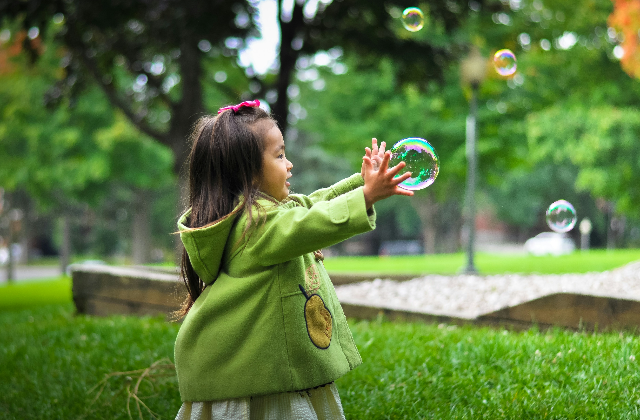
If you have ever been the lucky recipient of a full-scale, uninhibited emotional explosion, it might feel like you are failing the parenting test, but it is actually one of the clearest signs your child feels safe. Your toddler or child knows that when the world outside feels too big, too loud, or too overwhelming, they can bring all that big, messy energy right back to you. They are not dumping their frustration on you because they are angry at you; they are doing it because you are their designated emotional vault.
Think of it as their ultimate compliment. They know that even when they are throwing a tantrum over a mismatched sock or a piece of toast cut the wrong way, you are going to stay steady. You are their safe harbor, and they feel comfortable enough to unravel in your presence because they know they won’t be rejected for being their raw, imperfect selves. It is a sign of deep trust that your child feels safe with you to show you their worst, knowing you will still love them through it.
When you witness these emotional releases, try to reframe what is happening in your mind. Instead of seeing it as a challenge to your authority, see it as a trust fall. They are letting their guard down in the one place they feel most protected. This doesn’t mean you have to love the volume or the chaos, but recognizing that these moments are actually signs your child feels safe can help you stay grounded. You become the container for their big feelings, which helps them eventually learn how to handle those emotions on their own.
It is also worth noting that they often do this when they are most tired or overstimulated. They have spent the whole day trying to hold it together at school, at the park, or in public, and they have used up every bit of their internal battery. When they finally get home to you, they feel safe enough to let the remaining energy out. They are essentially telling you that they feel secure enough to stop pretending, to stop holding it in, and to just be honest about how they feel.
When you see these signs your child feels safe, acknowledge the importance of your role. By staying calm and present during their outbursts, you are reinforcing the message that they are safe in their feelings, even when those feelings are ugly or loud. You are teaching them that their relationship with you is strong enough to withstand even the most difficult outbursts. This is a crucial lesson that builds their emotional intelligence and resilience over time.
You might find that your child is perfectly well-behaved for teachers or grandparents but loses it the second you walk through the door. While it is frustrating in the moment, it is another of those classic signs your child feels safe. They are saving their most vulnerable, unfiltered moments for you because they know you are the one person who will never leave, never stop loving them, and never judge them for losing control. You are their baseline, their truth, and their home.
Take a breath when this happens. You are doing something incredibly difficult, but you are also doing something profoundly important. By weathering the storm with them, you are showing them that they do not have to be perfect to be worthy of your affection. This creates a foundation of security that will help them navigate future relationships with confidence and self-assurance. They are learning that they can be their full, authentic selves around you, and that is a beautiful thing.
As you look at your day, keep an eye out for these moments of release. If you find yourself in the middle of a big outburst, remind yourself that this is their way of saying that they trust you with their heart. You are a safe place in a very busy, demanding world, and that is the best gift you could ever give them. Keep holding that space, keep offering that warmth, and know that even in the heat of the moment, you are building something that will last a lifetime.
When you next find yourself in the middle of a big, loud emotional release, can you see it as a vote of confidence in your relationship?
Relaxed Body Language in Your Presence
One of the most telling signs your child feels safe is the way their body physically reacts when you are near. Have you ever noticed how they might instantly soften, slump, or settle into a deep sigh the moment you sit down beside them? This physical shift is their internal barometer, saying that the coast is clear and they can finally drop their guard. They are no longer on high alert, and their muscles are signaling that they feel completely secure in your space.
You might see this when they are playing quietly, and they lean their entire weight against your legs, or when they drift off to sleep easily because they know you are keeping watch. It is a form of non-verbal communication that is much more reliable than words. While a child might say they are fine to a stranger, their body language with you is honest. They are essentially saying that your presence is their physical sanctuary, a place where they don’t have to keep their defenses up.
When you observe these signs your child feels safe, it is a great reminder that you are their biggest source of calm. Even if you are having a chaotic day yourself, the fact that they can find rest in your presence is a testament to the strong bond you have built. You have created a physical atmosphere of peace that they can tap into whenever they need it. It is one of the most rewarding parts of parenting to see your little one so at ease in your arms.
This level of relaxation is especially important for their nervous system. In a world that is often fast-paced and full of new stimuli, your child needs a place where they can fully recharge. When they can be near you and feel their heartbeat slow down or their breath become rhythmic, they are effectively regulating their own stress levels through your connection. You are acting as their external regulator, and that is a massive part of what makes you their safe base.
If you find that your child is restless or unable to settle, it doesn’t mean you are doing anything wrong. It just means they might need a bit more physical touch or reassurance to help them transition into that state of safety. Sometimes, just sitting near them, reading a book together, or giving them a warm hug can act as a bridge back to that relaxed state. They are always checking in with you to see if you are a steady, calm presence, and once they feel that, their bodies usually follow suit.
These signs your child feels safe are often most visible during those mundane, everyday moments. Maybe it is the way they uncurl their toes while you change their diaper, or how they lose that tense look in their eyes when you pick them up after school. Every time they allow their guard to drop, they are deepening their trust in you. You are building a history of reliability that they carry with them in every interaction, making them feel more confident to explore the world.
So, the next time you feel overwhelmed, try to notice these little physical cues. When your child chooses to sit close to you or settles into your lap without you even asking, take that as a sign that you are doing exactly what you need to do. You are a steady, safe presence, and their body language is a beautiful, silent reflection of that reality. It is a quiet, powerful acknowledgement of the incredible work you are doing every single day to make them feel secure.
It is honestly one of the best parts of the day when you see that transition from active to peaceful. It confirms that you have provided the foundation they need to grow, explore, and eventually become independent, all while knowing they have a warm, safe place to return to whenever they need a recharge. You are doing a wonderful job of cultivating that environment of trust and relaxation, and it shows in every single soft moment.
When you think about the way your child moves around you, can you spot those moments where they visibly relax and just let go of their day?
Turning to You During New Experiences
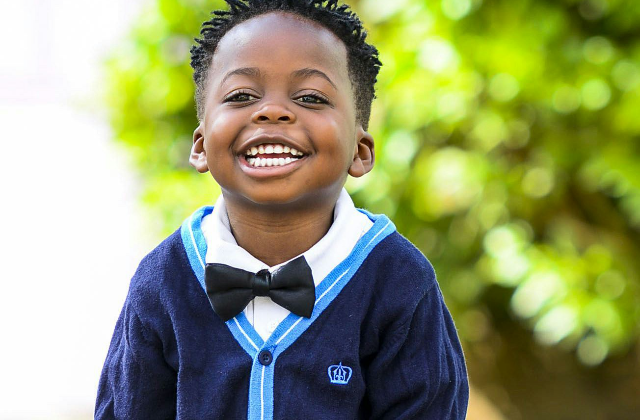
When your child encounters something unfamiliar, whether it is a loud playground, a new group of friends, or just a mysterious bug in the backyard, look for one of the most classic signs your child feels safe: the glance back. They will often pause, look directly at your face, and check your reaction before diving in. They are essentially using you as their human compass. By looking at you, they are asking if this new experience is a friend or a foe, and your calm, encouraging smile is all they need to gain the courage to proceed.
This behavior, often called social referencing, is a brilliant way for your little one to navigate the world. They know they don’t have all the answers, but they know you do. When you offer a steady, warm look, you are giving them the green light to explore. It is not about you telling them what to do; it is about you being their secure anchor while they test the waters of their environment. You are showing them that they can take risks because they have a safety net waiting right behind them.
These signs your child feels safe appear because they trust that you are their champion. If they find the new experience too intimidating, they know they can retreat to you without judgment. If they find it thrilling, they are likely to look back at you again, not to check for safety, but to share the excitement. That shared eye contact is a powerful moment of connection. It says that no matter how big the world gets, you are the person they want to share their discoveries with, both the scary ones and the ones that make them beam.
You might find that your child is more adventurous when you are standing nearby than when you are hidden away. This doesn’t mean they are clingy; it means they are using your presence to fuel their bravery. By being their rock, you are actually helping them become more independent. Once they have checked in with you and feel that steady support, they are much more likely to venture out further and stay engaged for longer. You are essentially providing the battery life for their exploration.
If your child doesn’t look back, that is also one of the signs your child feels safe! It means they are so confident in the bond you have built that they feel secure enough to explore without needing a constant check-in. They have internalized your support and know that even if they are a few steps ahead, you are still there, observing and protecting. They have built an internal sense of security that allows them to trust themselves, which is exactly what you have been working toward all along.
It is easy to miss these moments if you are busy looking at your phone or distracted by your own to-do list. Try to stay present during those park visits or playdates so you can catch those little glances. When you make that eye contact, take a second to really connect. A simple nod or a thumbs-up can be enough to give them the confidence they need to tackle whatever is ahead. It is a beautiful dance of dependence and independence, and you are the star player who makes it all possible.
As they grow, these check-ins will change. They will become less about checking for danger and more about sharing moments of wonder. Treasure every single one of them. You are teaching your child how to engage with the world, how to trust their gut, and how to maintain connection even when they are pushing boundaries. It is a vital part of the growth process, and you are handling it with such warmth and intuition. You are exactly the safe, reliable guide they need to figure out this big, wild world.
When you think about your last trip to the park or a new store, can you remember a moment where your child looked at you for that extra bit of confidence?
Seeking You Out for Quiet Connection
After a long stretch of high-energy play or a particularly demanding day, one of the most heartwarming signs your child feels safe is when they choose to initiate a quiet, low-pressure connection with you. They might not be looking for a game or a big conversation; they want to be near you. You might find them crawling into your lap to share a book, leaning their head against your shoulder while you fold laundry, or simply sitting silently by your feet while you work.
This behavior is their way of saying that you are their favorite place to land. It is a sign that they feel completely secure in your company, and they don’t feel the need to perform, entertain, or be anything other than exactly who they are in that moment. They trust that they can exist in your space without being pressured to talk, move, or change. That kind of intimacy is a rare and precious gift, and it shows just how strong your foundation of security really is.
You are showing them that your love is not conditional on their behavior or their output. They can just exist, and that is enough. When you offer that space for them to come and go as they please, you are reinforcing their sense of belonging. They learn that they can seek you out for comfort whenever their batteries are running low, and that you will always be a welcoming, consistent presence. It is a form of emotional replenishment that is vital for their development.
If you are someone who is always on the go, these moments might feel like an interruption, but try to see them as the most important part of your day. By making space for these quiet, lingering connections, you are filling their emotional bucket in a way that nothing else can. Even if it is only for two minutes while they lean on you, that brief period of closeness acts as an anchor. They are checking in to make sure you are still there, steady and solid, before heading back out to conquer the rest of their world.
It is also one of the signs your child feels safe because it shows they have learned how to listen to their own needs. They know when they are feeling overwhelmed or just need a hit of love to keep going. By coming to you, they are demonstrating a high level of emotional awareness. You have successfully raised a child who knows how to identify their needs and how to reach out for the help they need, which is a massive milestone for their long-term emotional well-being.
You might not always notice when it happens, so try to be intentional about opening the door for this kind of connection. If you are sitting on the couch, leave a little room next to you. If you are in the kitchen, offer a quick hug before they run off to the next adventure. By keeping your environment open and inviting, you make it easy for them to choose you for that moment. It helps build a rhythm of mutual trust that makes your relationship feel effortless and deep.
As they grow older, this might look different. It might evolve from lap-sitting to just hanging out in the same room while you work, or maybe just wanting to chat for a few minutes before they head to bed. But the core meaning remains the same: they are choosing to stay connected to you because you are their safest, most comforting space. It is a privilege to be that person for them, and you are doing an amazing job of fostering that deep sense of comfort.
Take a moment today to really appreciate these quiet, unprompted visits. They are the glues that show signs your child feels safe with you. You are building something lasting and meaningful, one gentle, quiet moment at a time. Keep being that reliable, warm, and inviting base, because your child loves exactly who you are, and they love the safe harbor you provide for their heart every single day.
When you look back at your week, can you identify those small, unprompted moments where your child just wanted to be near you without needing anything else at all?

Leave a Reply
You must be logged in to post a comment.